Flower Farms

For this activity, we created our very own flower farms!

flower4

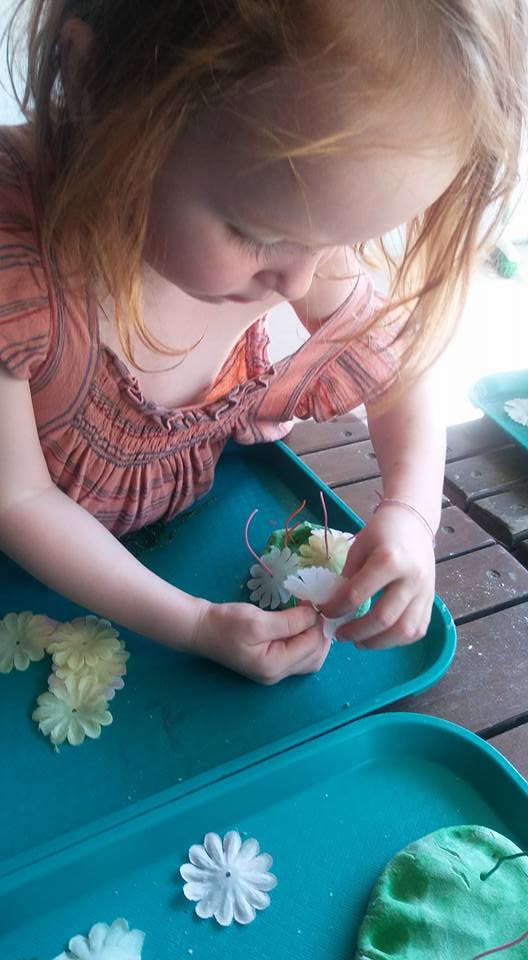
Using a few choice materials, students arranged groups of flowers into their very own bouquets.

flower3

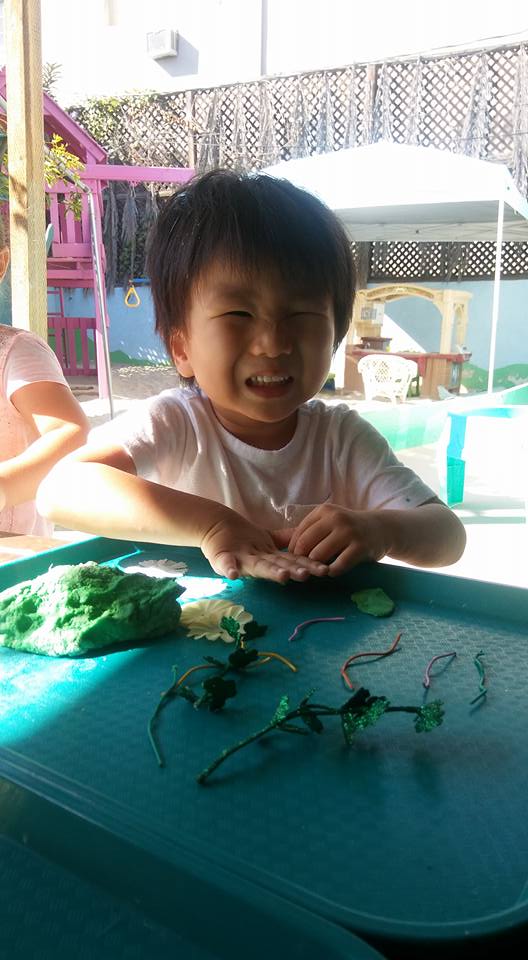
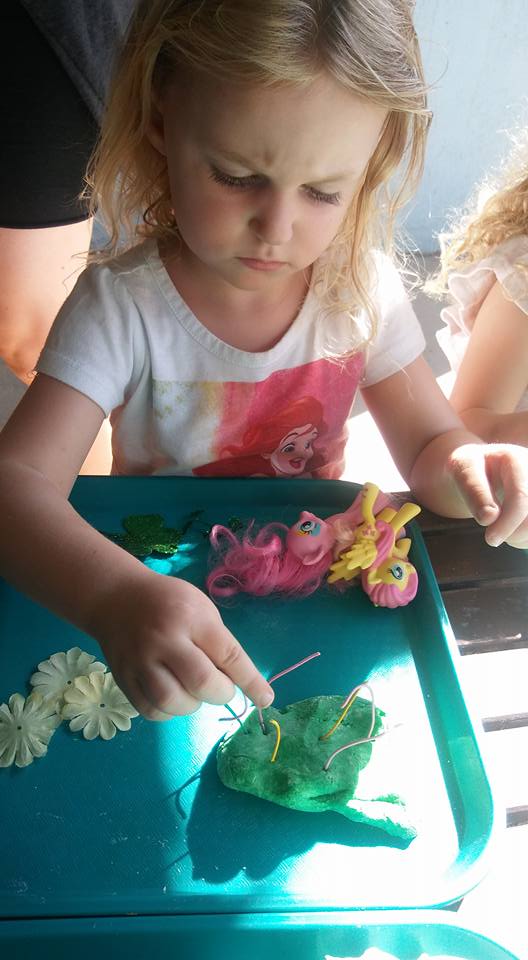
They first started with green play dough, manipulating it so it formed a flat shape. Next they prodded art wires into the dough.

flower2

Lastly, they added fabric flowers to their wires.

flower1

This activity enabled your little one to learn some new words, such as “bouquet” “stem” and “bundle.”

flower

Combine Harvesters

A combine harvester, or combine, is the tool of choice for harvesting corn and other grains.

20180917_101852

The reason this piece of equipment is called a combine is simply because it combines several jobs into a single machine.

20180917_101846

Combines cut the crop and separate the grain from the plant while processing and spreading the remaining material over the field.

20180917_101215_hdr

The invention of the combine was a major moment in human history (with some debate about who really invented it!) that revolutionized the way grain crops were harvested.

20180917_101519_hdr

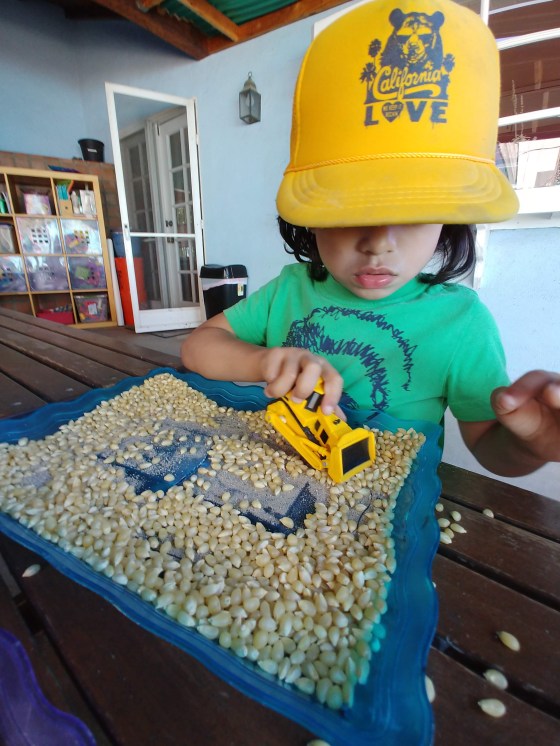
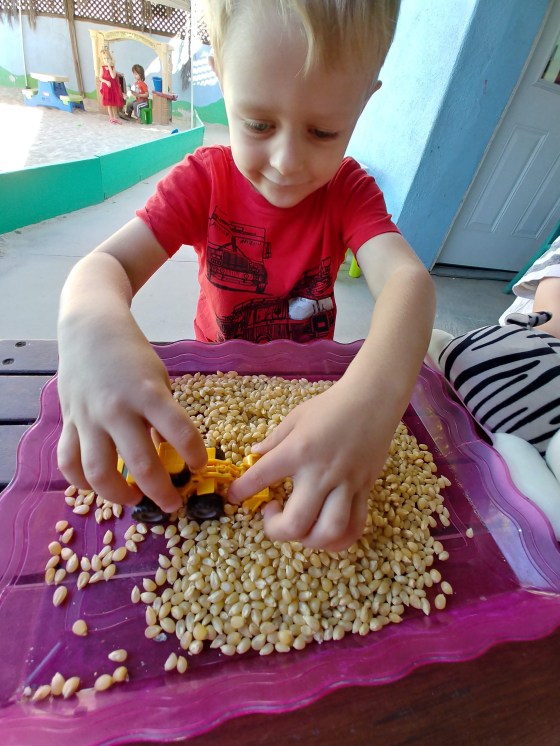
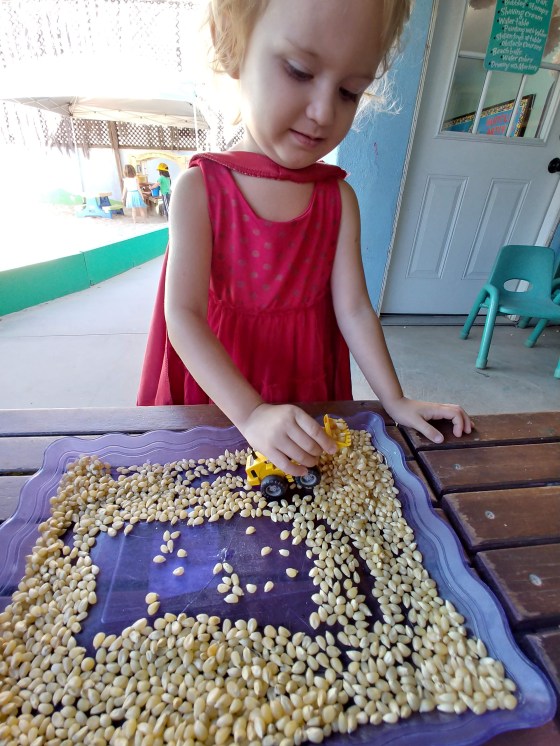
To help us understand this amazing machine, we combine tractors and corn kernels to harvest corn!

20180917_101124_hdr

With their friends, your little one moved corn around sensory tubs, laughing as they planted their “crops.”


Miniature Tractors and Barns

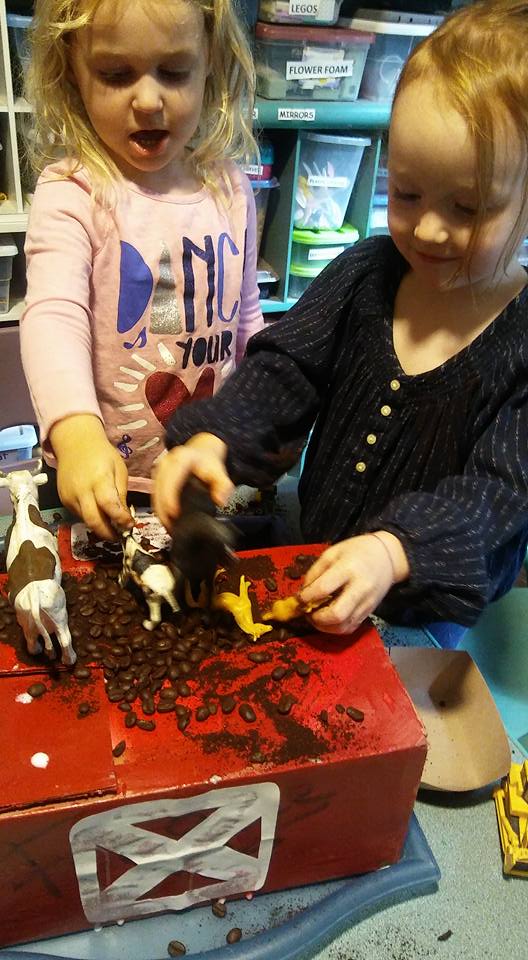
Small world play involves acting out scenarios (scenes from real life, stories and/or imagination) in a miniature play scene, created with small figures and objects. Anything from your own home or garden will do, there is no limitation to your creativity which is why it’s a truly inexhaustible subject!
smallbarn3

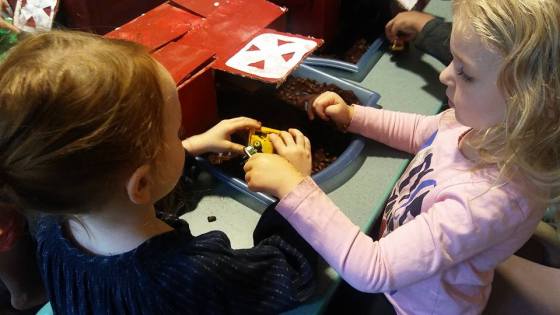
Small worlds are often set up in a certain theme (construction area, pirates at sea, dinosaur world, … you name it) that are relevant and meaningful to the child at the time and they usually include a sensory element (water, sand, dry pasta, leaves, …) which adds more layers to the play.
smallbarn7

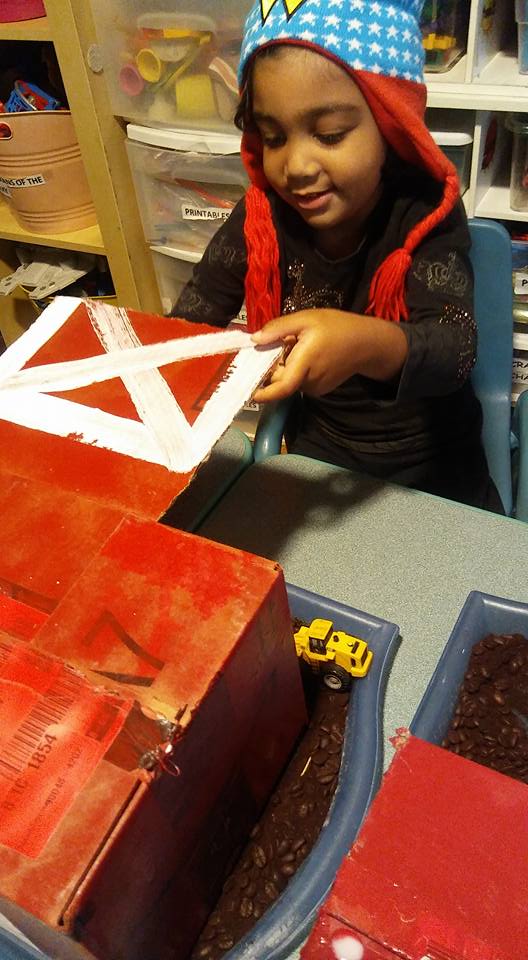
As with any kind of play, there are numerous ways in which small world play supports your child in it’s development. By providing children with opportunities to re-enact certain experiences, you are helping then to reflect on feelings and events in life in a safe way. While engaged in small world play, children can explore and experiment with different emotions and act out these scenes in their play.
smallbarn6

Small world play invites children to be creative, and boosts confidence when children are able to experiment with different (both new and familiar) materials and build something they think is awesome.

smallbarn2

It is also an excellent way to practice social skills (when for instance building a small world on a play date) where children can connect with each other and learn to take turns, listen to someone else’s ideas, compromise and so on.

smallbarn5

There are always many problems to solve in small worlds (“Not all the dinosaurs fit in my cave!”) and children learn how to work through these by reasoning and experimenting.
smallbarn1

Small world play helps to develop numeracy by giving lots of opportunities for grouping or sorting items and counting them (“How may small dinosaurs do you have? How many do go in your cave?” “Now, how many are left?”)

smallbarn

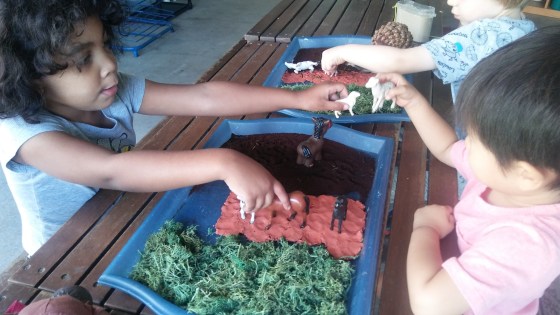
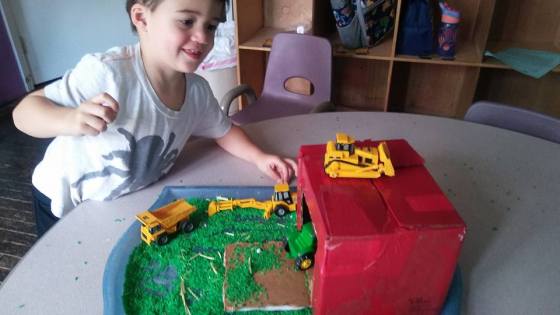
To help us with our tractor theme, we played with miniature tractors. Using dyed rice as our “grass”, students manipulated their tractors, parking them in their “barns”.

smallbarn4

The Great Celery Experiment

Young children are naturally curious and passionate about learning. In their pursuit of knowledge, they’re prone to poking, pulling, tasting, pounding, shaking, and experimenting.  From birth, children want to learn and they naturally seek out problems to solvecelery1

Young children should learn science (and all other areas of study) through active involvement – that is, through first-hand, investigative experiences.

celery8

For this activity, we learned about the how plants absorb water out of the ground.

celery7

Through our Great Celery experiment, your little ones observed, predicted, and explored the physical properties of these fascinating plants.

celery6

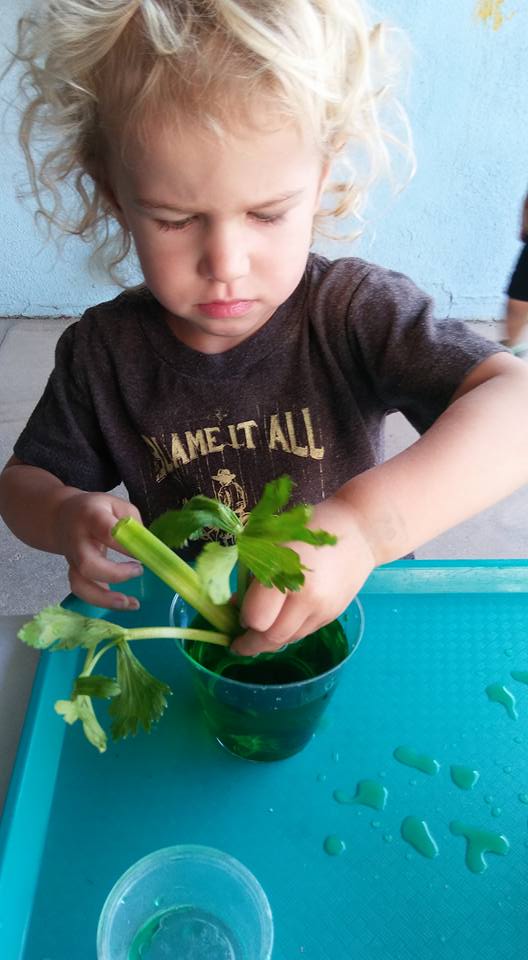
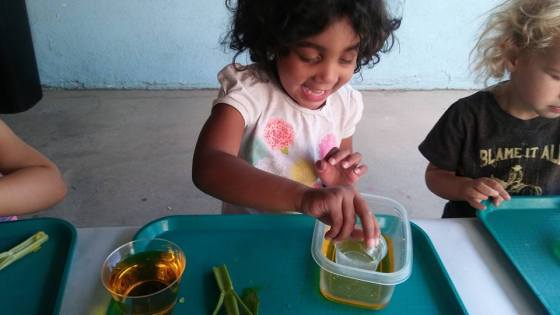
We began by pouring water into an empty cup. Next, we added food coloring.

celery

Then we placed the celery stalks inside the cups. In addition to this, we drew pictures of what we thought would happen to the celery. Following this, we checked on them the next day.

celery5

Not much happened, so we check on them again 48 hours later. We saw that the color had been sucked up and distributed among the leaves.

celery4

It was so much fun that we decided to draw again what we saw.

celery2

Carrot Tops

No gardening unit would be complete without a section on vegetables! In the course of our gardening/harvest week, we learned all about carrots. We learned that carrots are usually orange in color although purple, red, white, and yellow varieties also exist.

carrots

We also learned that carrots are cooked and eaten in various different ways. The vegetable is often pulped, mashed, boiled, puréed, grated, fried, steamed, stewed, baked, juiced or eaten raw.

carrots5

We talked about how carrots are typically used in stir-fries and salads but also in soups and added to baby foods or pet foods. And then we learned that they can be dehydrated or deep-fried to make chips, flakes, and powder.

carrots1

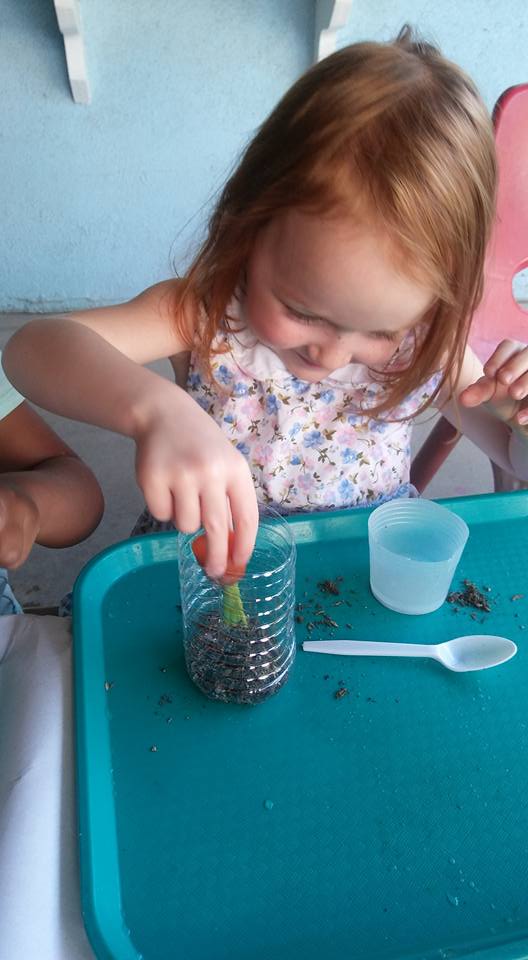
To help us further understand this exciting vegetable, we grew our very own carrot plants in bottles! To begin with, students were asked to scoop soil into a water bottle. Next, they were encouraged to place carrot tops on top of the soil.

carrots2

Following, they were directed to add a little water to their plants. Lastly, they placed the top of the bottle on. At the end of the week, we tried the same species of carrots that we planted. We ate them with celery and dipped them in cream cheese!

carrots4

Herding Sheep

A motor skill is simply an action that involves your little one using his muscles. Gross motor skills are larger movements your young child makes with his arms, legs, feet, or his entire body. So crawling, running, and jumping are gross motor skills.

sheepherd3
For the young child, development occurs when he uses gross and fine skills together. He’ll gradually get better at this as he grows into middle childhood. One can encourage your gross motor development by playing games that challenge him a little.

sheepherd2

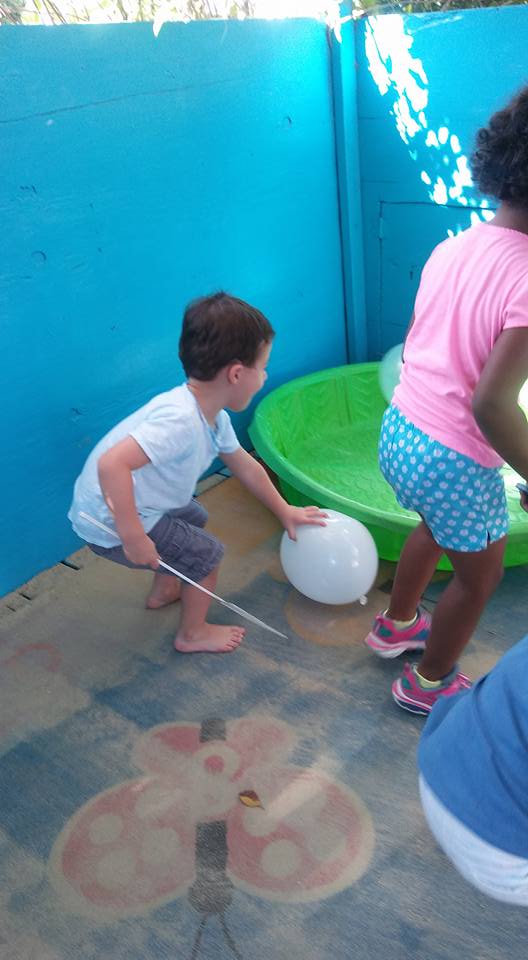
For this activity, we practiced herding sheep by using a few materials. To begin with, we talked about what a herd was. We then took toy sheep and placed them in groups of five.

sheepherd

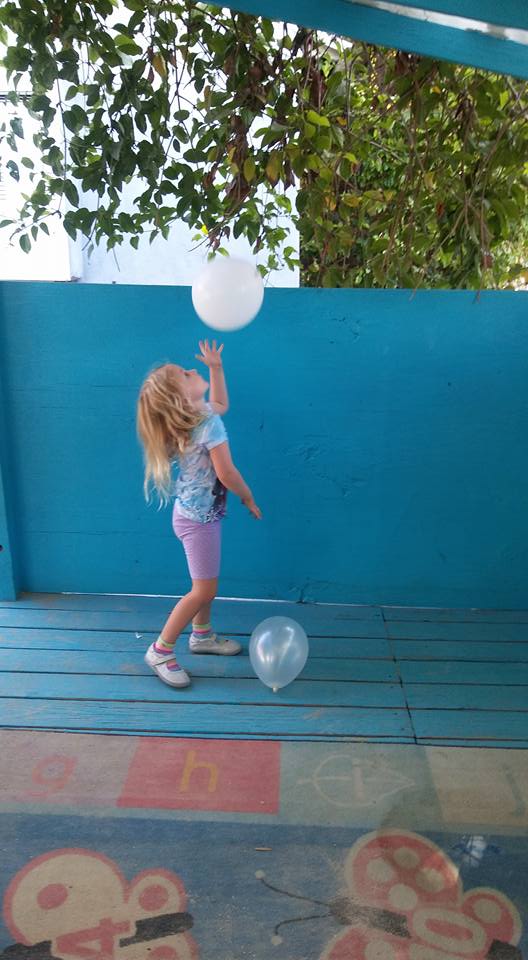
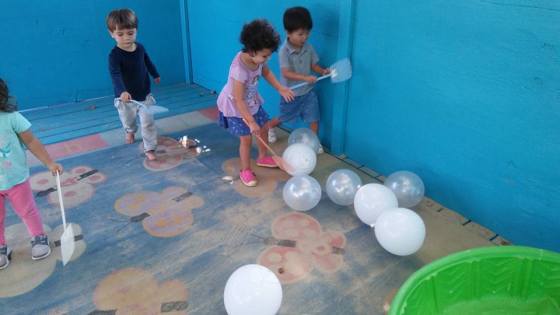
Lastly, we herded white balloons (using fly swatters) into a green swimming pool. Everyone enjoyed seeing their sheep move across the stage. Lots of laughs followed!

sheepherd1

Pig Tails

Our second week of farm activities revolved all around the pig.

pigtail3

During this week, we created a variety of mud-filled environments for this most fascinating creature.

pigtail2

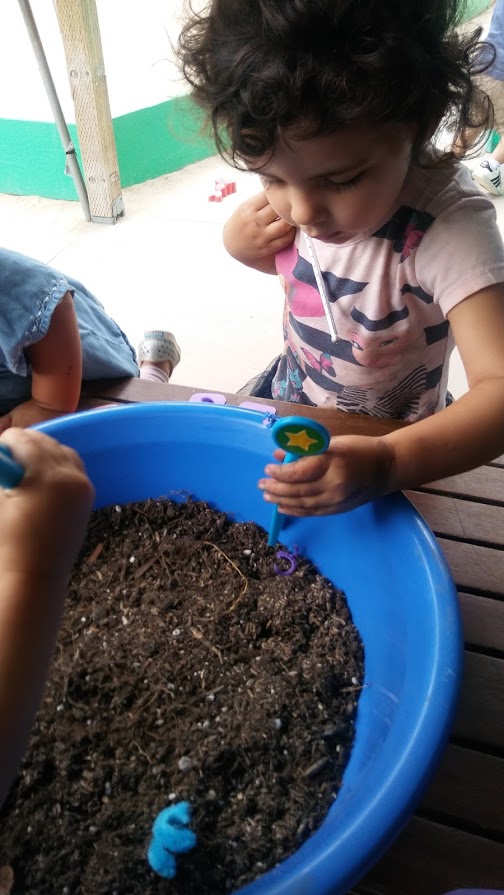
For this activity, students dug for pigs’ tails in a bucket of mud. Using kid-sized tweezers and colorful cut-outs, students reached for their tails to then place them on the matching pig of the same color.

pigtail3

This activity challenged your little ones’ hand-eye coordination and proprioception skills.

pigtail1

Barnyard Herds

Small world play occurs when children use miniature items such as toys, found objects, or replicas to act out scenes or ideas from real life, stories, or books.

smallbard1

This kind of play often includes sensory elements which add depth to the experience and creates opportunities for language stimulation.

smallbard

For this activity, we used the barnyard environment to inspire such language. Because this week involved words related to farm animals, this form of symbolic play enabled your little one to test out new words we learned, such as “trough”, “coop”, and “foal”.

smallbard2

Tractor Legumes

Legumes have been used in agricultural production since the earliest of civilizations.

gplus-718944788

They have served as the primary source of nitrogen for many cropping systems, as well as providing food for humans and domestic animals.

gplus335546800

In many developing agricultural regions of the world, legumes are still used extensively for these purposes.

gplus-2044478209

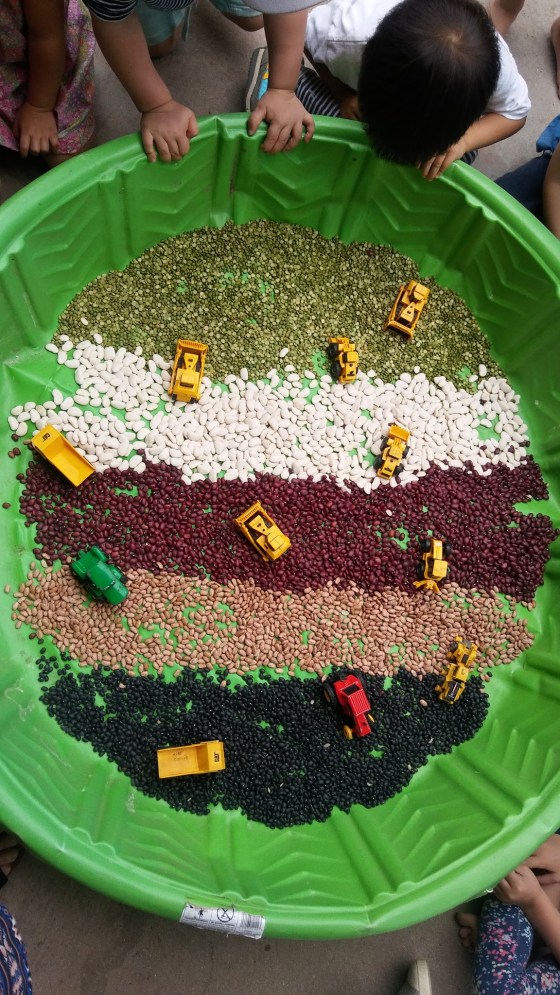
As part of our tractor week, your little one partook in a sensory activity about tractors and legumes.

gplus-2044478209

Using five different kinds of legumes, students practiced driving tractors and “planting” crops with their friends.

TractorLegumes

Once finished, everyone enjoyed gathering the different legumes in their fingers and letting them sift to the ground!

Vegetable Soup Story Tray

Children can find it very difficult to re-tell stories and even harder to make them up. This is particularly so if they have not had much experience with stories and story telling in the preschool setting.

img_4163

There are a variety of ways to involve children with texts, and the use of ‘story trays’ is one that does not only spark an interest in reading but also involves much talk and discussion, which is why we include them in our curriculum!

img_4166

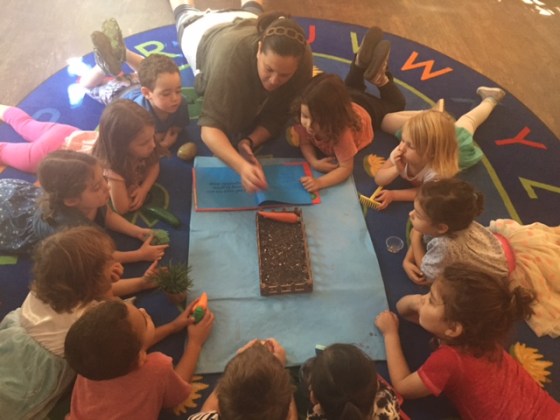
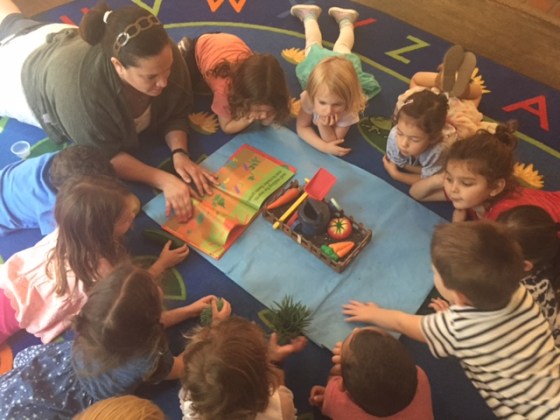
A story tray is a tray containing a book, plus items associated with the story, which might include characters in the form of soft toys or puppets. There might also be a non-fiction book on a similar theme, which allows children to experience different types of text.

img_4169

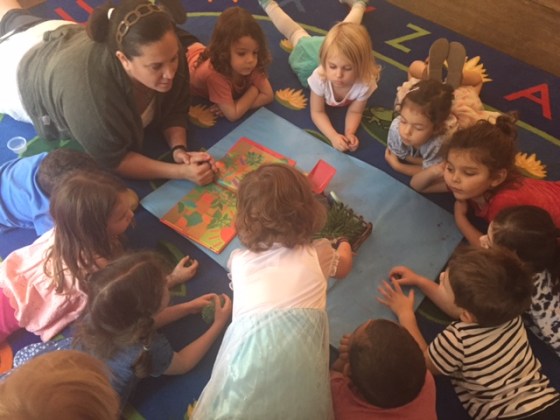
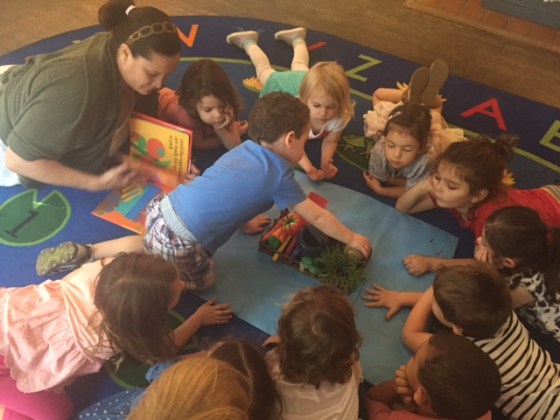
These items are used to help bring the story to life. They provide a visual and tactile stimulus that the children can use to take part in the telling or re-telling of the story. Children of all abilities enjoy using them but they can be particularly useful in helping children who are not interested in reading, for whatever reasons, to enjoy books. For this activity, we used a variety of items to re-tell the story of a book called Vegetable Soup. Each child was given one of the items in the story, and as the story was read, they would add their item to the tray. Some of these items included toy vegetables, a water can, soil, toy shovels, and seeds!

img_4172