Little Ant Lacing

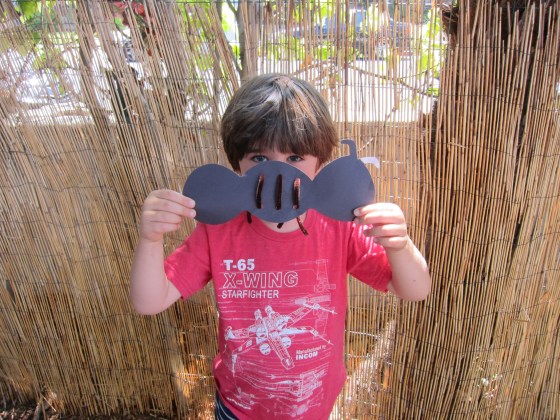
To help us hone our fine motor skills, we strung pipe cleaners through an ant-themed lacing card. Parents may think that activities like these have very little developmental significance, but the truth is just the opposite.

IMG_2784

Activities like these are crucial because they allow a break in the sometimes monotonous tasks of tracing or even coloring, and provides a wide range of motion that young writers can use.

IMG_2786

Lacing activities also enable young children to become aware of the roles of their dominant and non-dominant hands. Stabilizing the cards while working the pipe cleaner through the holes strengthens those little fingers and muscles.

IMG_2799

The Ants Are Marching Story Tray

Storyboarding, or picture writing, is the origin of all written languages, used by ancient cultures before text evolved and as a natural bridge to text. The Chinese language was built using pictographs.

IMG_2743

Egyptians used storyboards, or hieroglyphics, first etched in stone and later written on papyrus, to organize a complex society and to rule the ancient world. In our classroom, we use a variation of the story board.

IMG_2744

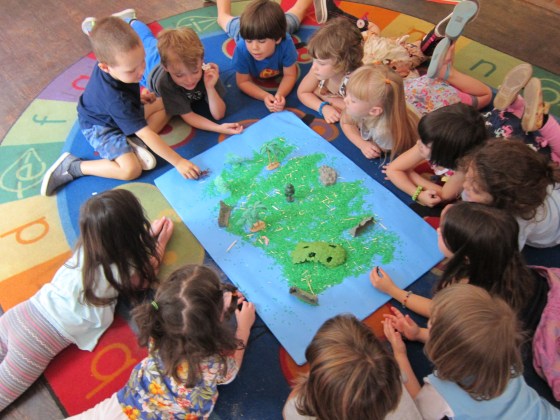
We call it the story tray! Story trays are one of several tools introduced during circle time that work for younger students for whom the visual and the concrete are helpful elements in absorbing abstract ideas.

IMG_2745

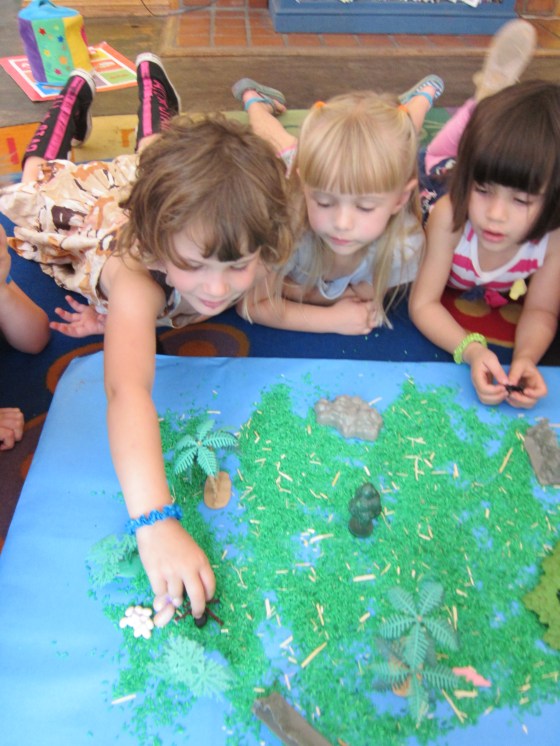
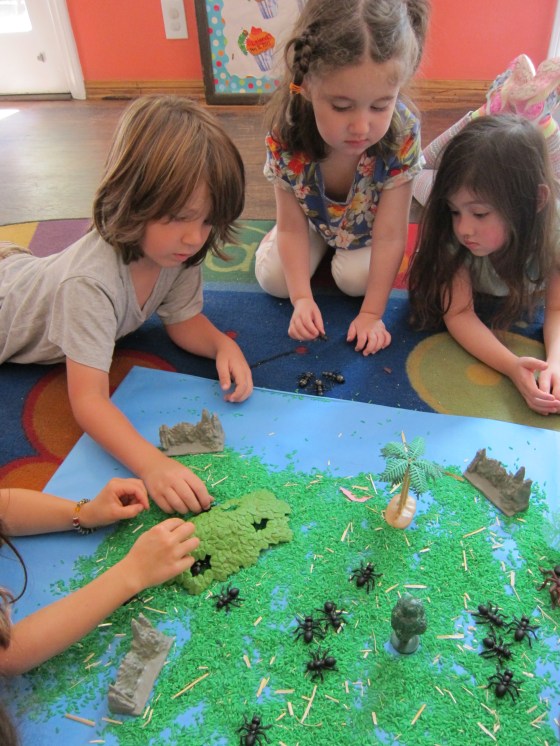
For this activity specifically, we recreated the story of The Ants are Marching, by Dan Crisp. To begin with, students surrounded the story tray to reenact the story. They were then each given a character in the story.

IMG_2747

As the story progressed, students placed their “character” onto the tray. We did this until the story was completed.

IMG_2754

Ants in the Salt Tray

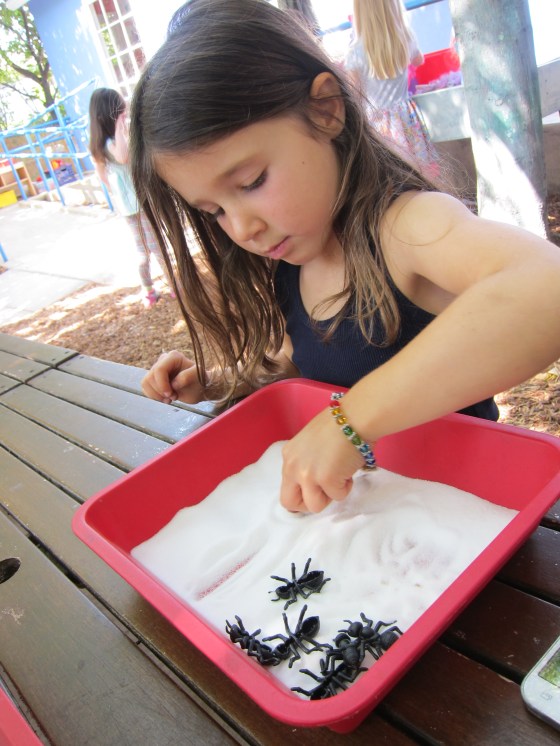
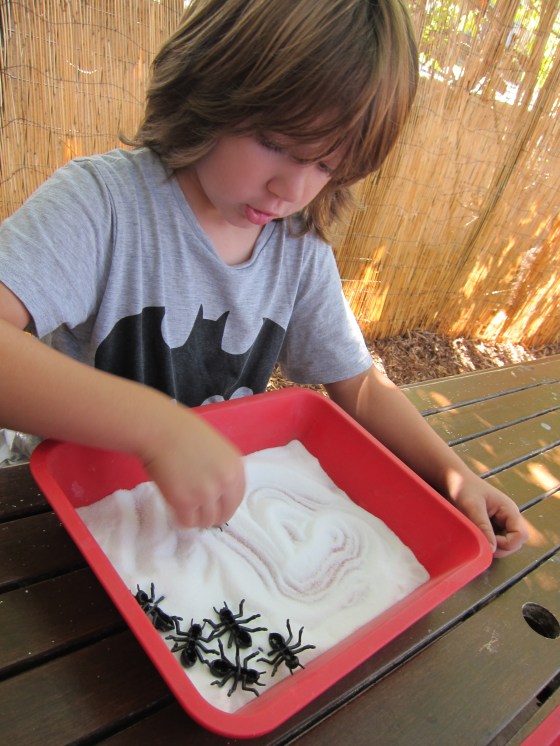
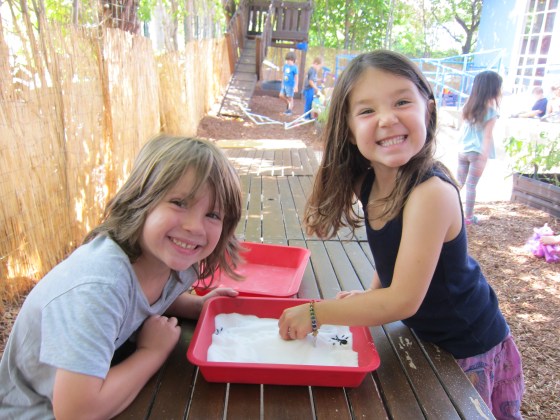
Writing can be especially frustrating for young learners, and so we use a variety of methods to keep our spirits high!  One of these is the salt tray! Adding a salt tray or salt box to the preschool classroom is a wonderful way to promote writing skills.

IMG_2693

In our second week of ants, we talked about the letter A. To encourage your little one to practice their writing skills, we wrote letter As in salt tray!

IMG_2694

Using small paint brushes, your little one “painted” a letter A with their salt.

IMG_2733

They then added ant toys that they placed “inside” their letters.

IMG_2716

Lastly, they enjoyed pushing their ants around, creating salt ant hills for their creatures to live in.

IMG_2705

Play Dough Ants

What is soft and colorful and can squish through your fingers? The answer is play dough. The invention of play dough dates back to the 1930s. Originally it was invented to be wallpaper cleaner.

IMG_2690

However, after a classroom of children began using it as a modeling compound, it was reformulated and introduced to the Cincinnati schools in the mid-1950s as play dough. Today play dough can be found in almost every preschool and kindergarten classroom. Bringing play dough into a learning center offers a variety of educational opportunities.
IMG_2678

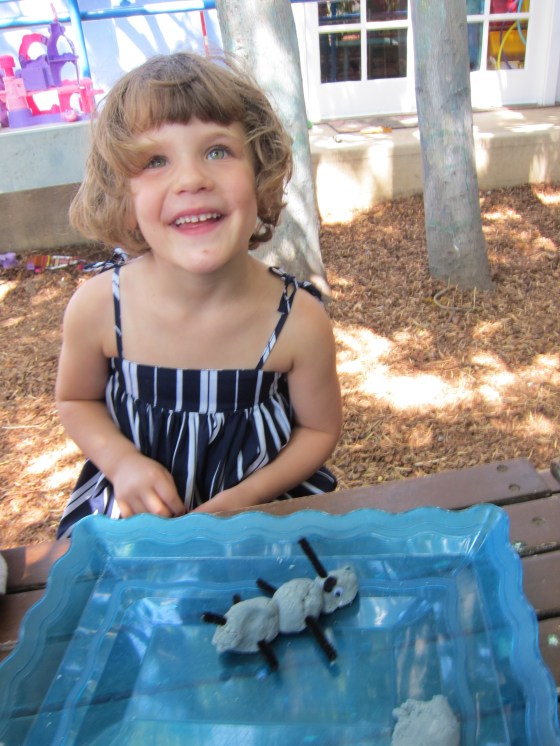
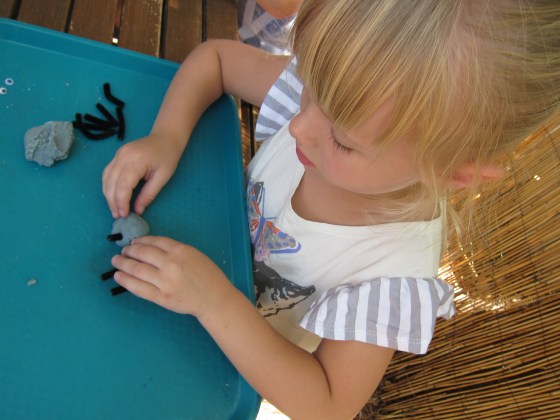
It is a great, inexpensive educational tool that can be used to foster creativity, literacy, and math skills. And most importantly of all, kids love play dough. There is something magical about rolling, patting, and squishing the brightly colored dough with your fingers. For this activity, we used play dough to create our very own ants!
IMG_2677

To begin with, we talked about what an insect is. Students learned that one thing that makes insects different from other bugs, is the number of legs they have. They were told that ants, like other insects, have six legs. Your little one also learned about what an antenna is. Within the ant colony, these antenna are used to communicate. Following a brief discussion, students created their own ants with play dough, black pipe cleaners, and googly eyes!

IMG_2691

Ant Hill Sensory Play

Ants create nests in many places, but in North America their nests are mostly constructed underground or in fallen logs.

IMG_2624

Ants are constantly excavating their underground homes and carrying the soil up to the surface.

IMG_2628

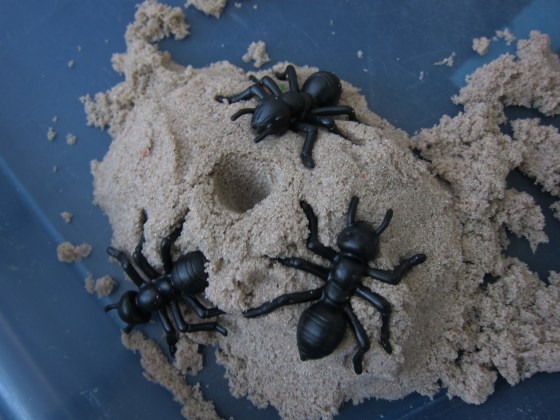
They can create large mounds of soil and sand outside their nest entrances.

IMG_2633

Some ants build up their mounds with sticks and pine needles and bits of grass.

IMG_2658

This visible part is called an “ant hill” or an “ant mound.” Often a single nest will have more than one opening. For this activity, we created our own ant hills out of kinetic sand!

IMG_2667

Ant Number Sorting

Many preschoolers are able to use numbers arbitrarily; pretending to count, or mixing up numbers and letters.

IMG_2607

From about the age of four, preschoolers will begin to show one to one correspondence, or the ability to count objects correctly, as well as recognize most numbers 0-9 and sometimes recreate numerals when given an example.

As with many preschool skills, it is important for young students to be given many different opportunities for to see, touch and use numbers throughout the day.

Including numbers in thematic play is one way that they can begin to recognize numbers.

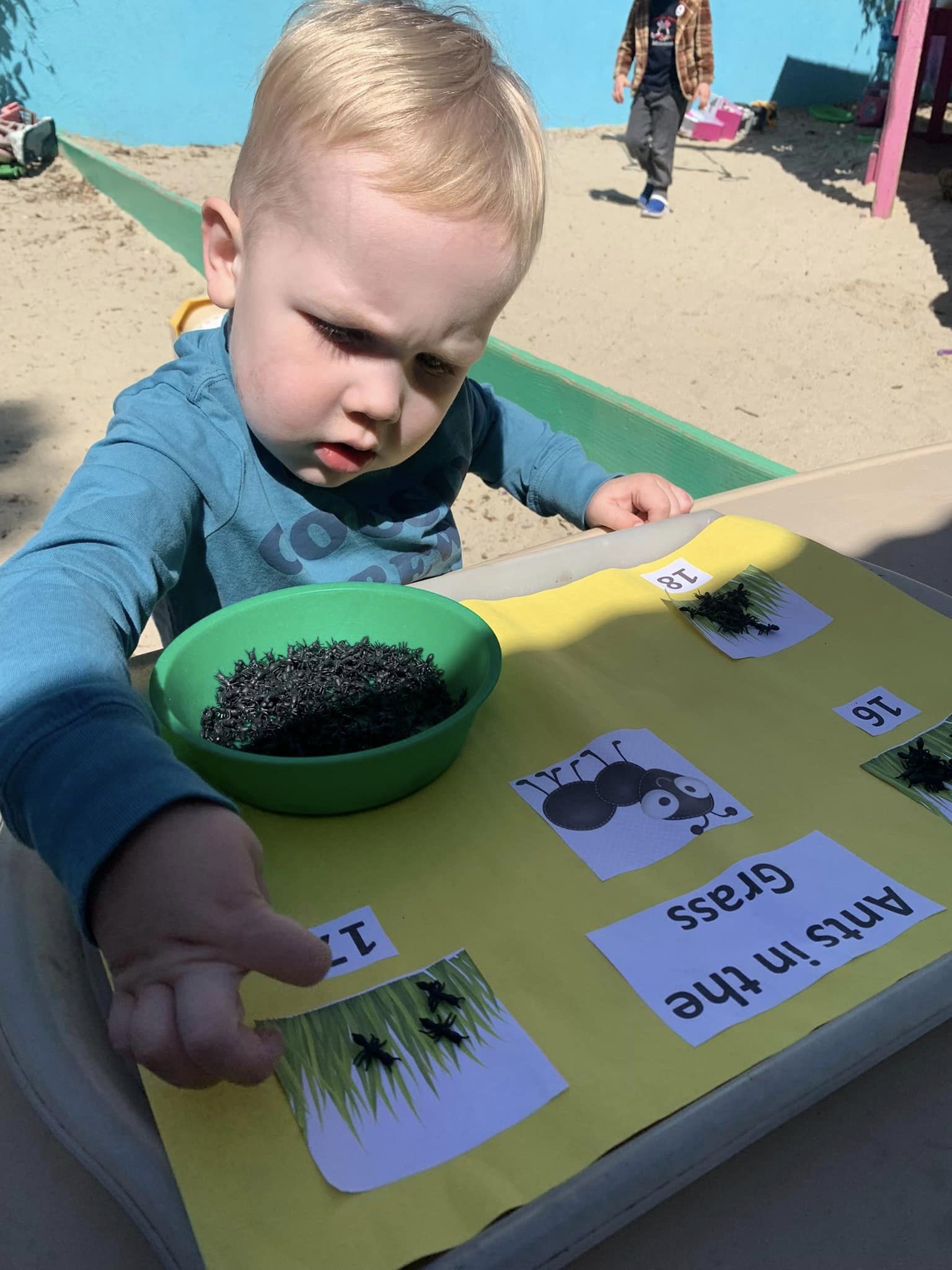
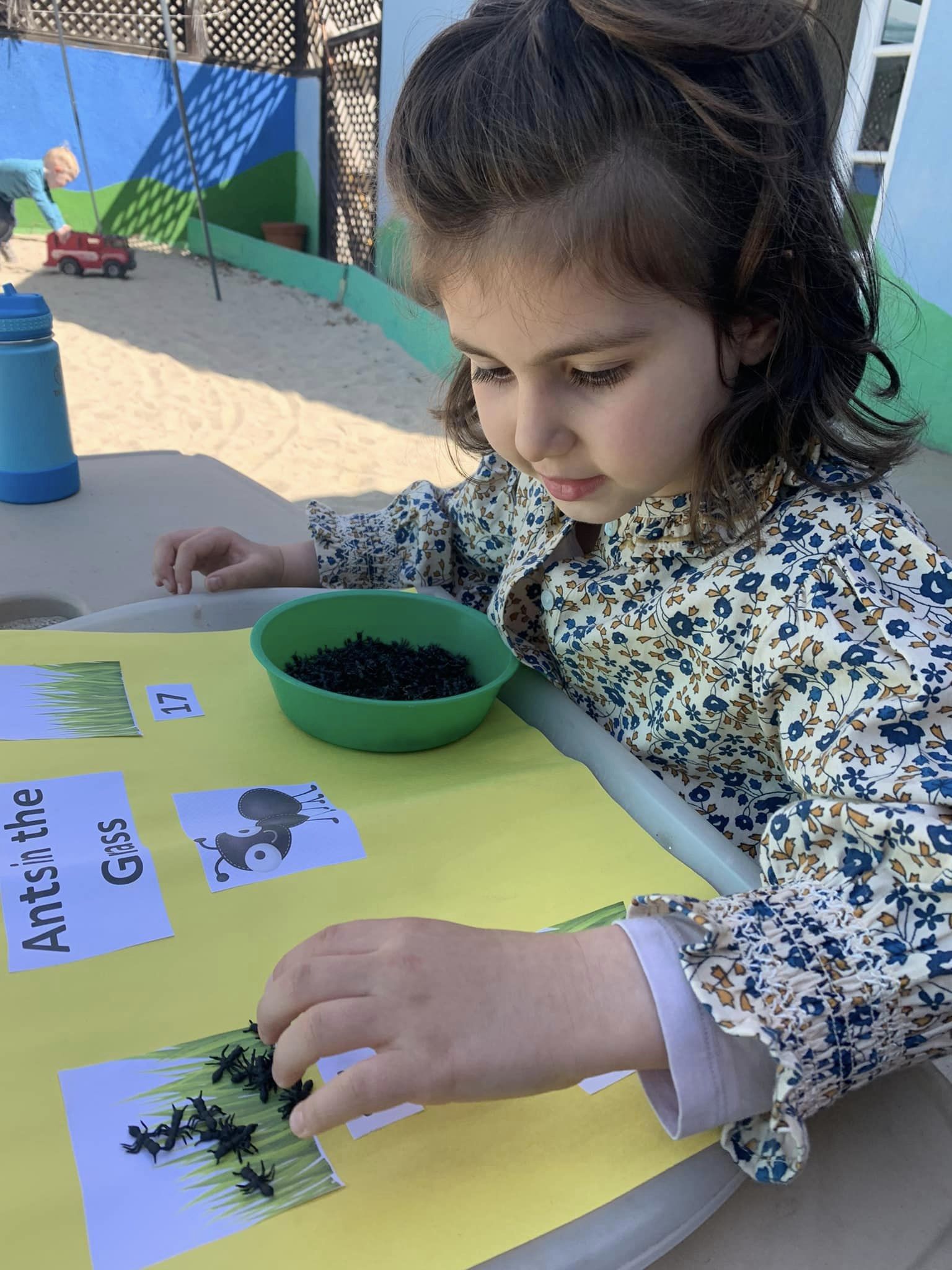
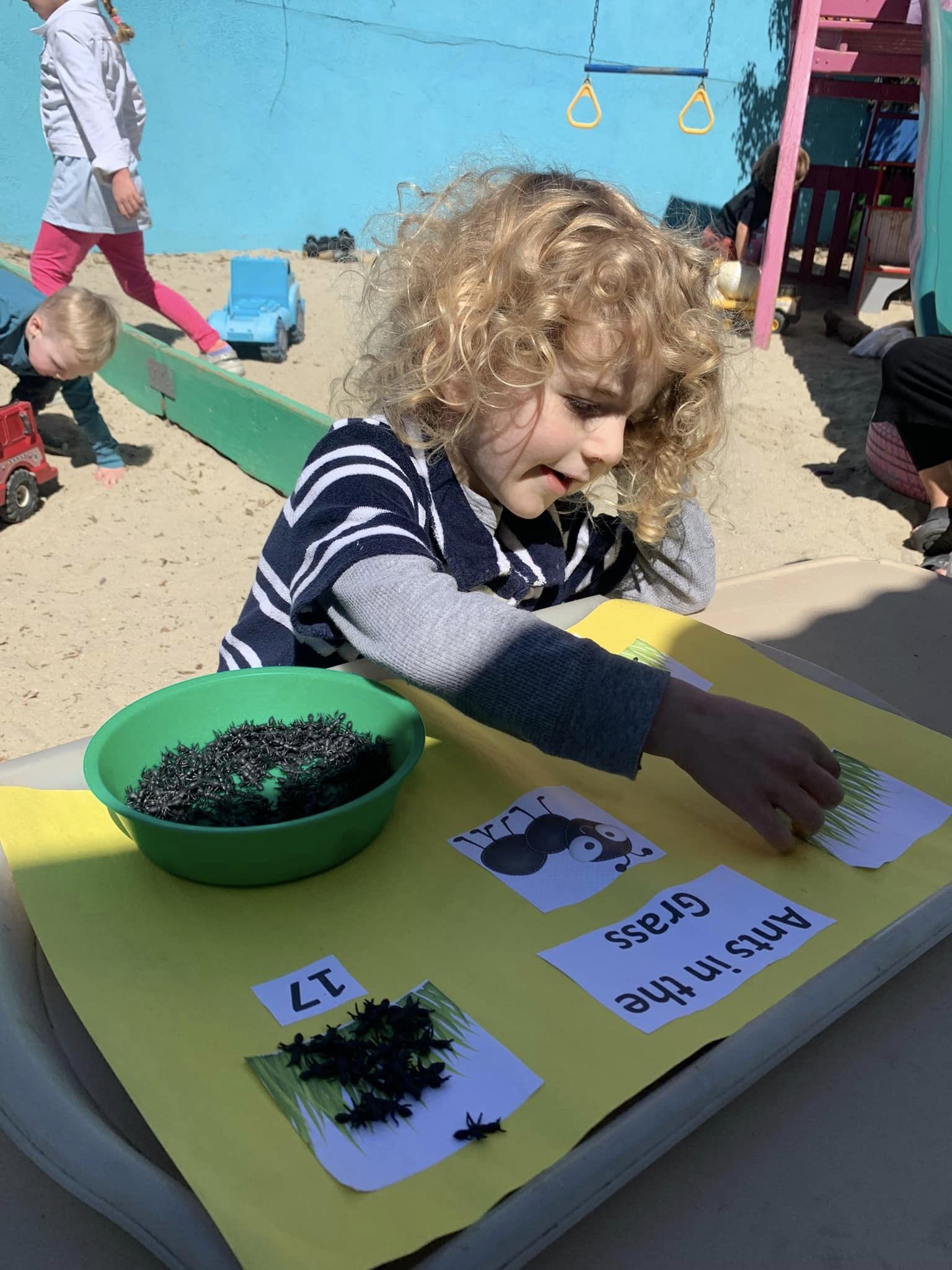
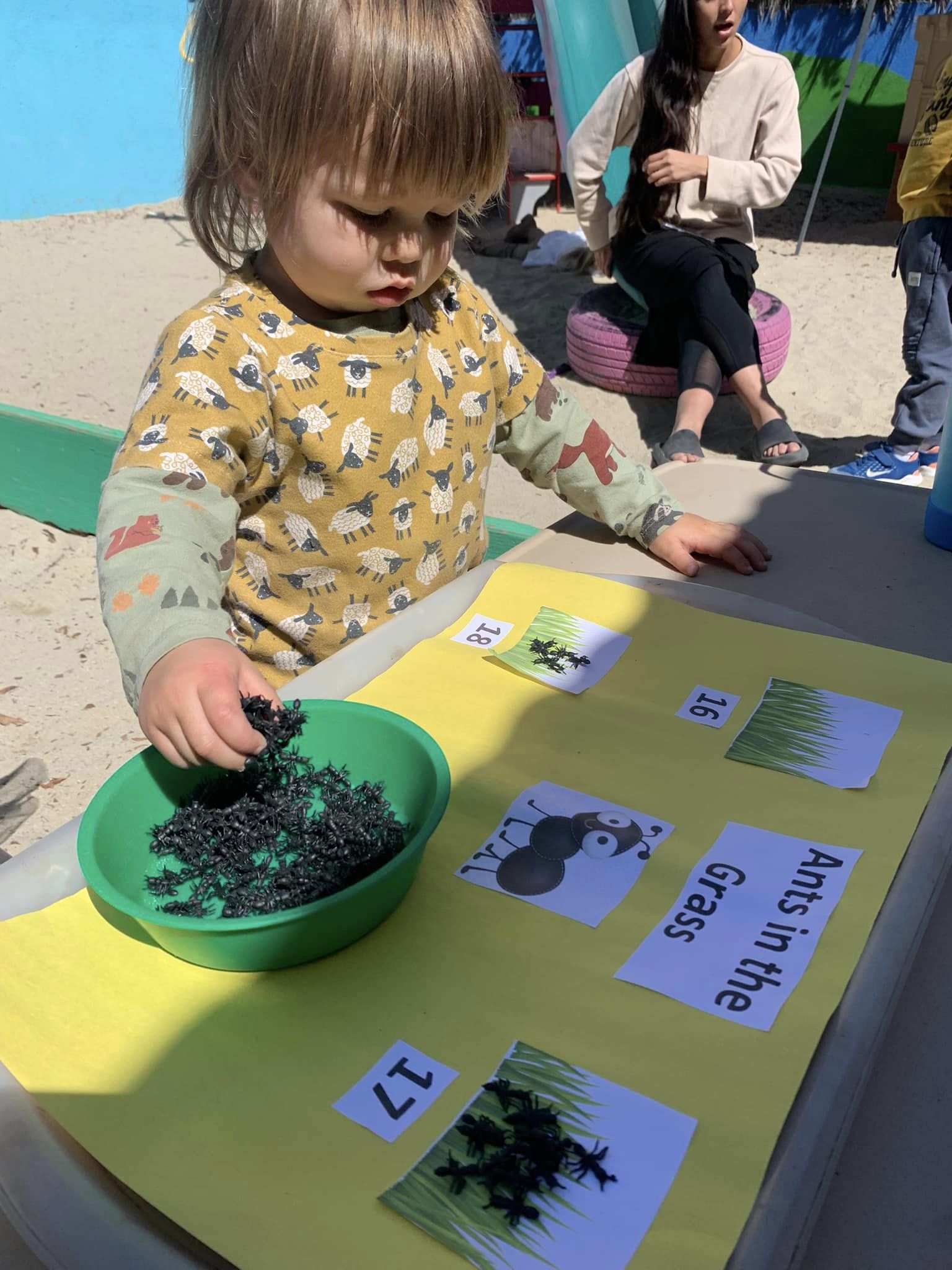
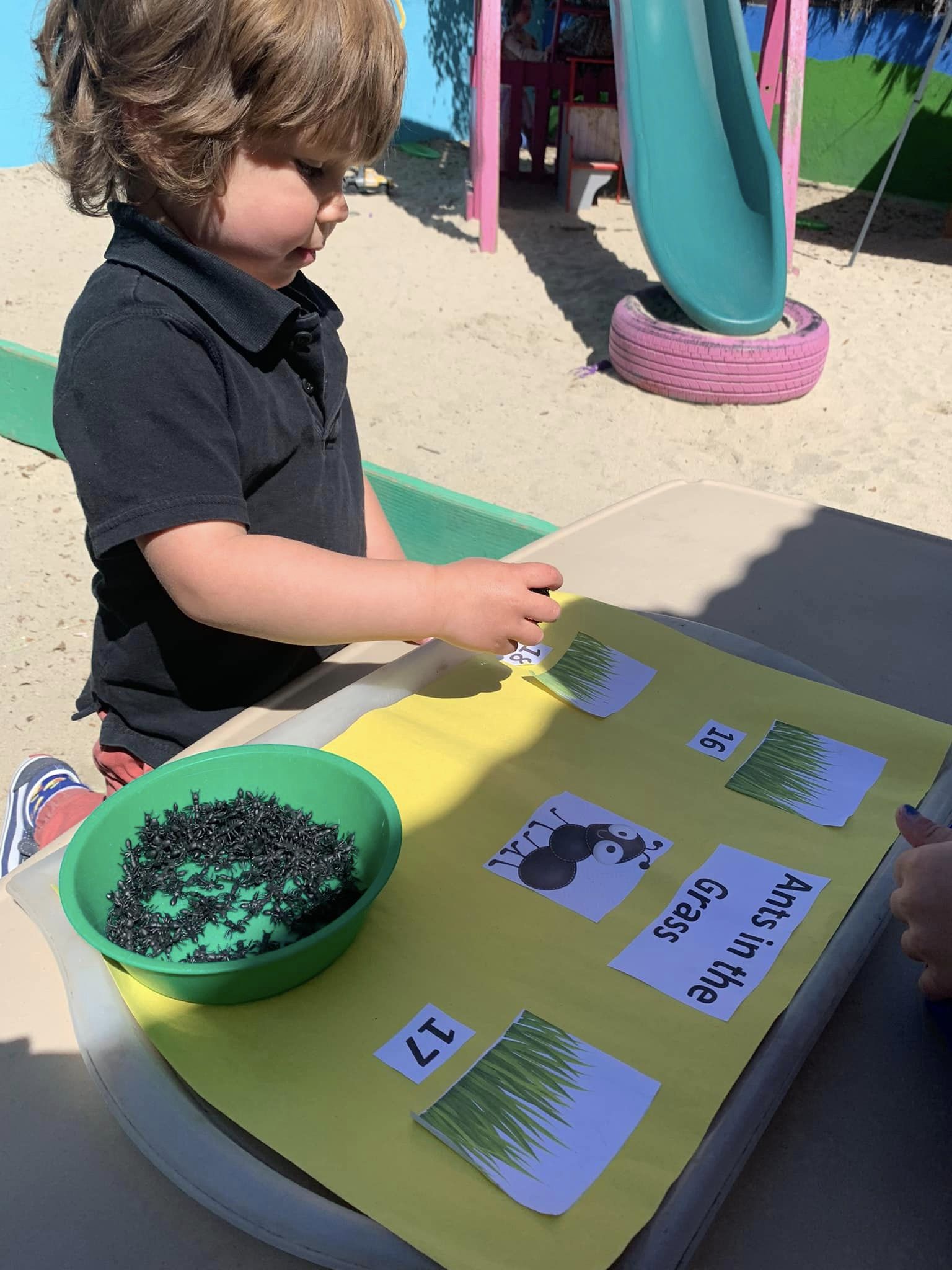
For this activity, your little one participated in a sorting/numeral recognition activity that tied in with our ant theme.

Using manipulatives and pictures of grass (with numbers printed on them), your little one practiced sorting and matching groups of ants with their corresponding numeral.

Since we were working on numbers 10-20 this week, we used these numbers in this activity.

Finding Nemo

Clown fish belong to the subfamily Amphiprioninae in the Pomacentridae family. These species are considered to be symbiotic mutualisms with sea anemones in the wild. Although the physical coloring predominantly depends upon the type of species, most clown fish exhibit orange, blackish, yellow, and reddish color interspersed with white blotches.

IMG_1958

IMG_1957

Clown fish are sometimes referred to as a strong territorial species and often come into conflict with each other. These species communicate by producing ticking noises with the help of pharyngeal teeth that are aligned with the throat. The male clown fish is known to create sound pulses on particular occasions. The female, however, is the more aggressive of the two. There are 335 clown fish species around the world.

IMG_1970

IMG_1986

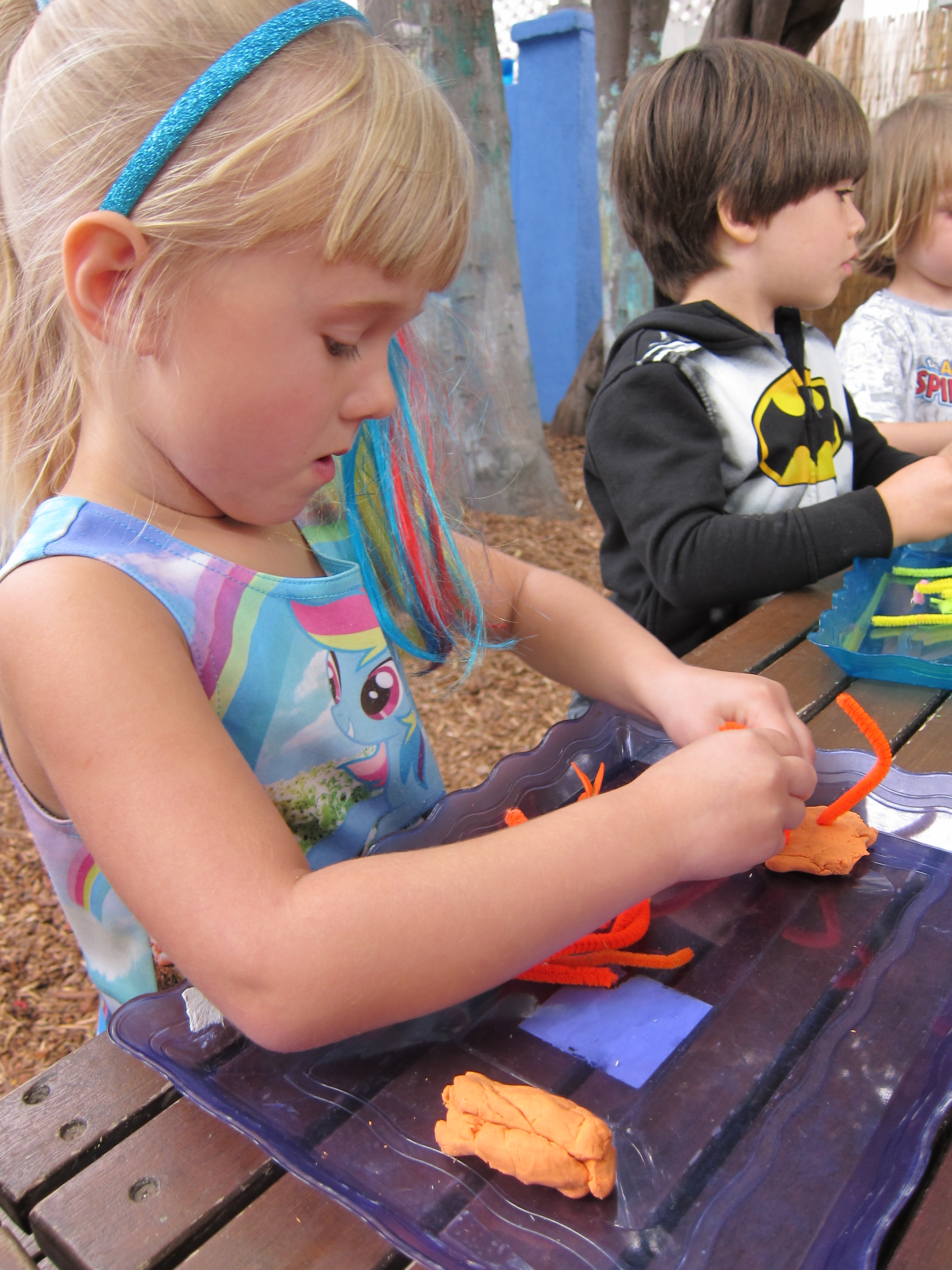
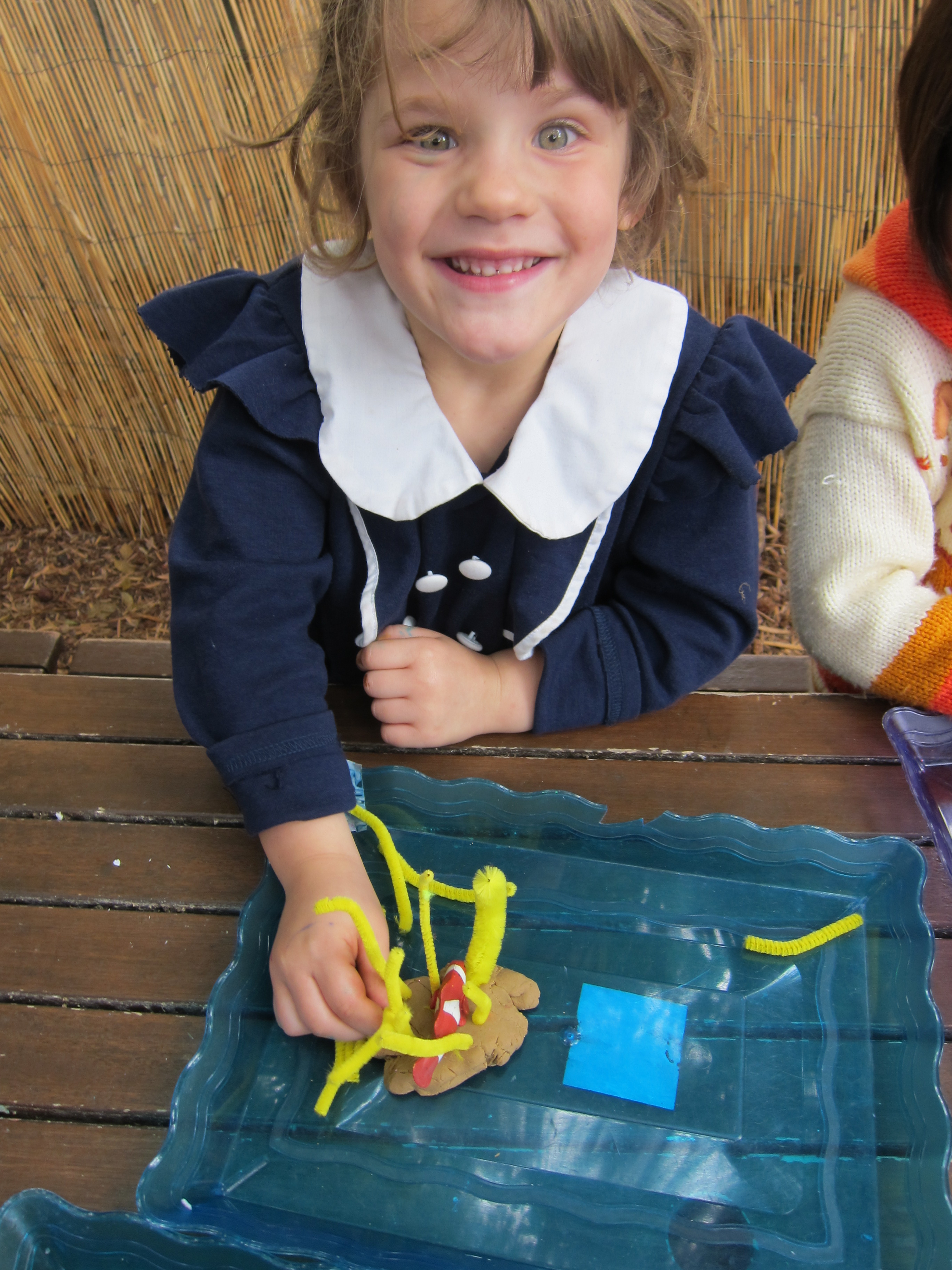
For this activity, we used play dough, pipe cleaners, and toy clown fish to recreate the interdependent relationship between the clown fish and the sea anemone! This helped your little one practice their fine motor skills, work on their hand-eye coordination and encourage spatial reasoning, as they “placed” their fish into their anemone homes!
IMG_2004

Salt Water Sink or Float

Young children enjoy learning about how things work.

By participating in a vast array of science activities, they are learning important critical thinking and observation skills.

These activities also promote their inherent sense of curiosity about the world.

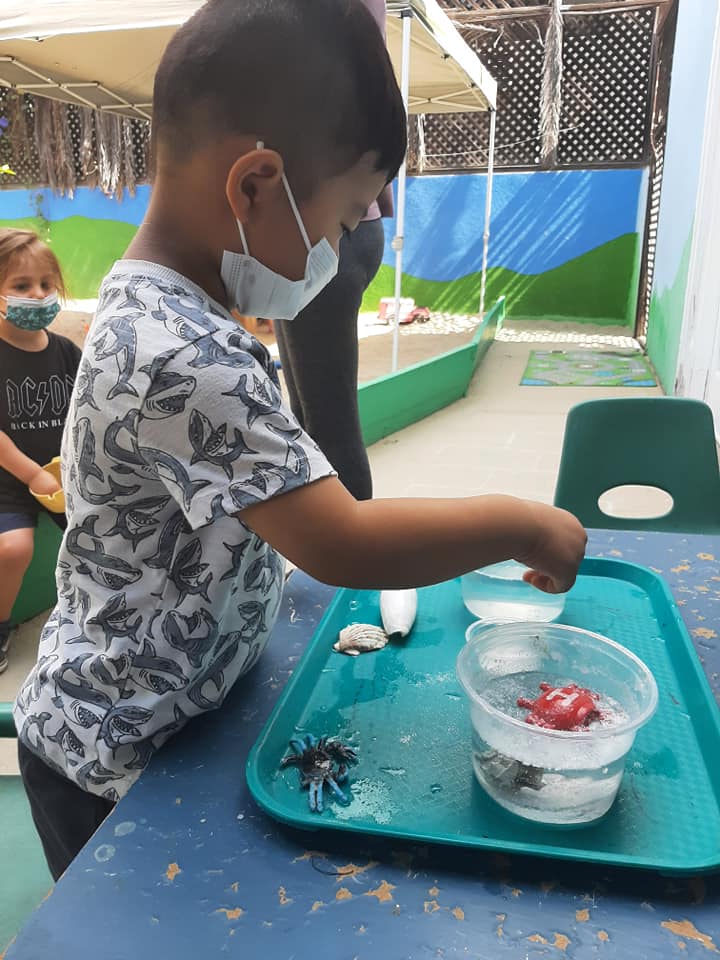
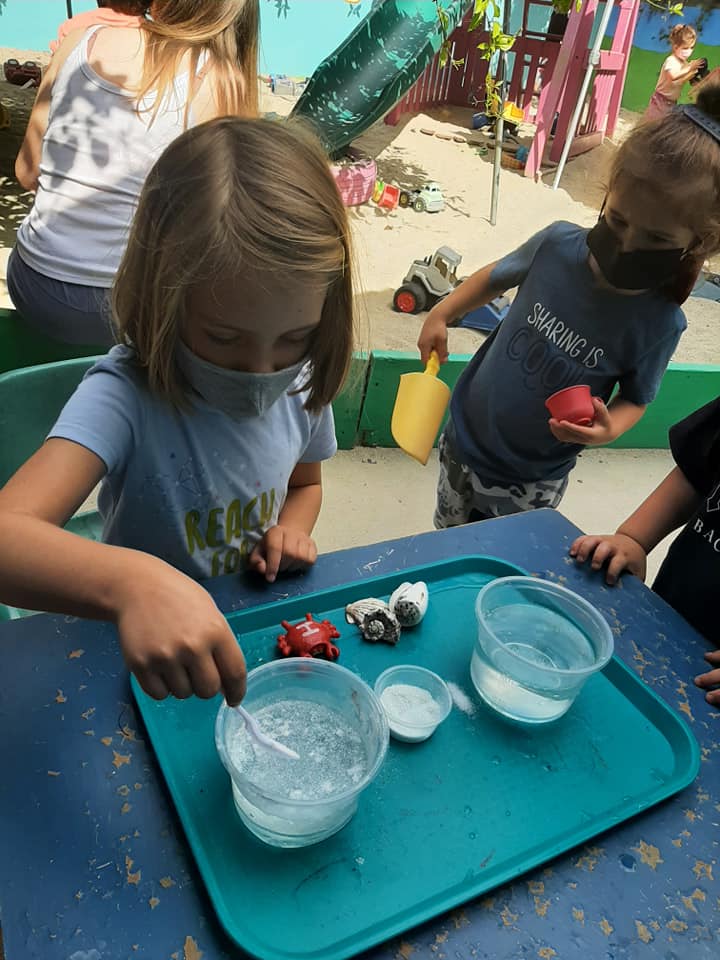
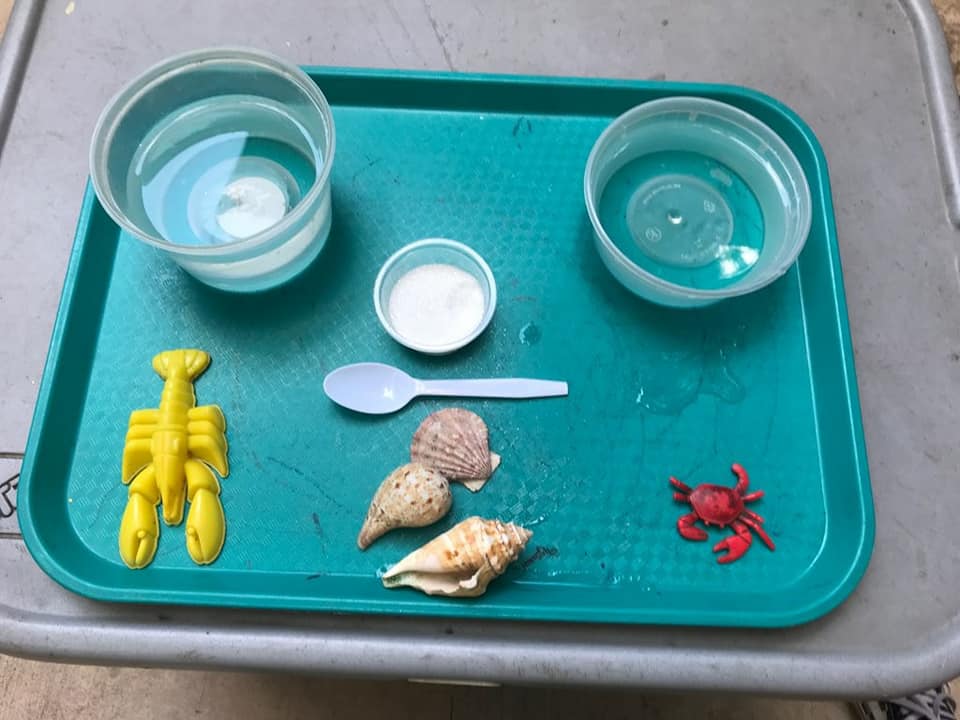
For this activity we experimented with sinking and floating.

Using real items (in our case crustaceans and sea shells), we placed them in fresh water and then salt water (to incorporate into our Under the Sea theme) and observed whether they would sink or float.

Crab Walk

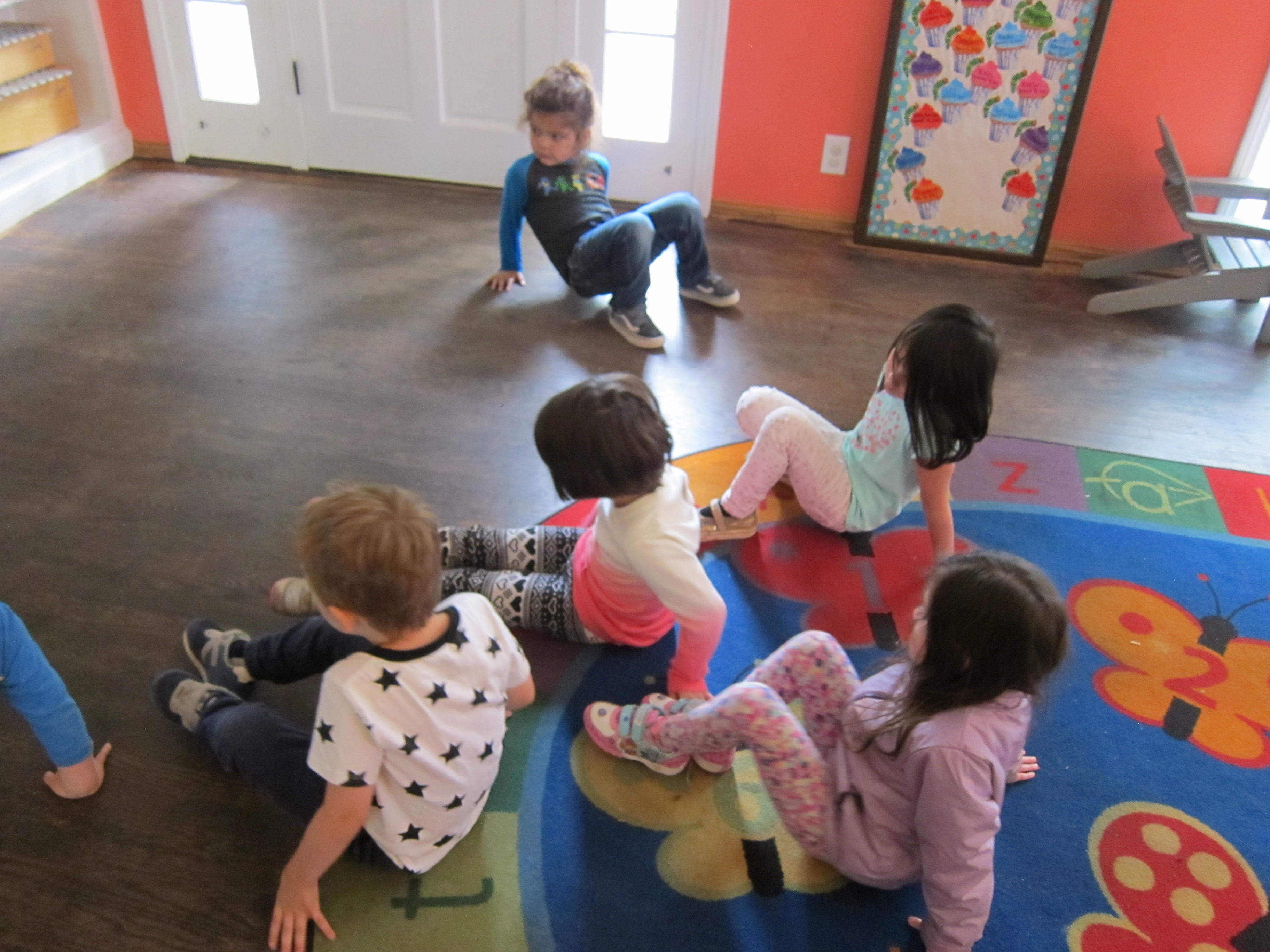
For this traditional activity, we practiced walking like crabs! To begin with, we read the book House for Hermit Crab, by Eric Carle. Following this, we had a very interesting discussion about hermit crab homes. For instance, students learned that these crabs find shells that they use as their “houses”.
IMG_1860

Because of this, it makes walking difficult. To understand the plight of the crab in the story, we talked about what the word “awkward” means and how it applies to the character in the story.

IMG_1859

Following this, we practiced doing our own version of the crab walk! To begin with, students were instructed to sit with their hands on the floor with their knees bent. Following this, they were directed to push their bodies toward the ceiling. Finally, everyone giggled as they attempted to race their friends around the room!

Gray Whale Puzzles

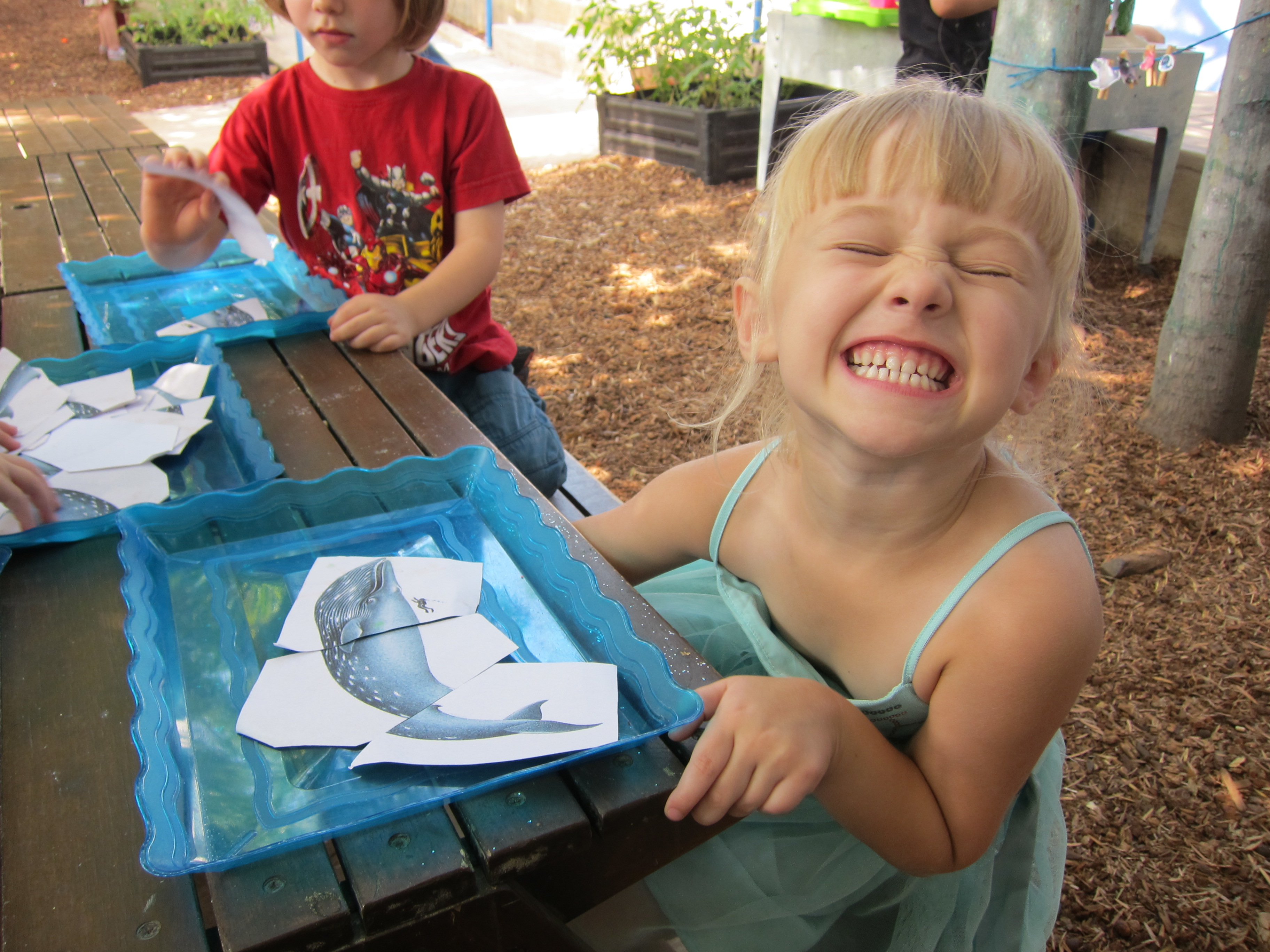
Using pre-cut pictures, we practiced putting gray whales together!

IMG_2312

Puzzles help young children build the skills they need to read, write, solve problems, and coordinate their thoughts and actions – all of which they will use in school and beyond.

IMG_2322

They also help them begin to recognize colors and shapes, and come to realize that the sum of parts make up a whole – a concept that will help them with math later on.

IMG_2310

By arranging pieces into the puzzle, your little one also develops the muscle group used for writing, or the “pincer” grasp.

IMG_2309