My Many Colored Feelings

My Many Colored Days dominated the second week of our Dr. Seuss month. This rhyming story is a wonderful way for parents and teachers to talk with children about their feelings.

days

Each day is described in terms of a particular color, which in turn is associated with specific emotions. Using a spectrum of vibrant colors and a variety of animals, this unique book covers a range of moods and emotions.

days1

To incorporate two foundation domains into our theme, we partook in a little science experiment.

days2

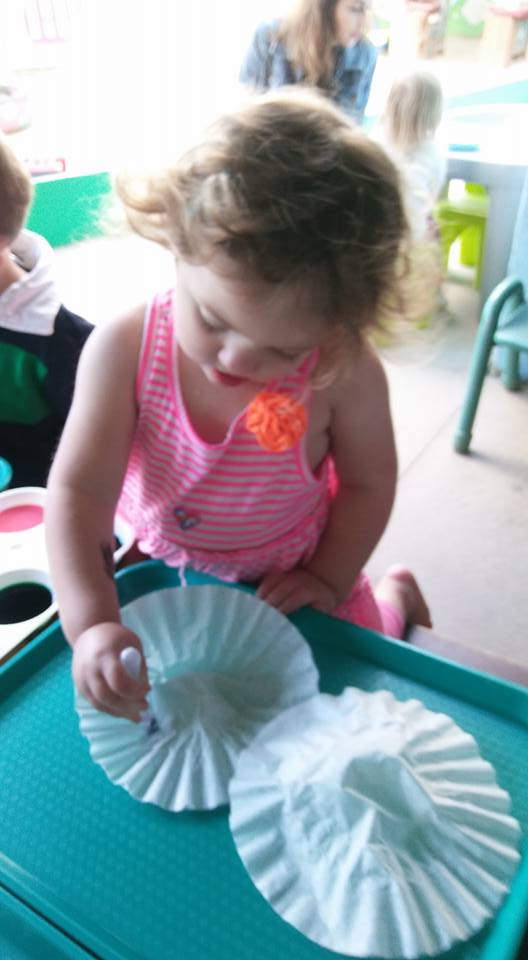
Using eye droppers, students placed watercolors onto coffee filters. While, doing so, we talked about how the different colors made us feel.

days4

These two components accessed the science and social-emotional learning domains.

days3

My Many Colored Wheels

The Color Wheel shows the relationships between the colors. The three primary colors are red, yellow, and blue; they are the only colors that cannot be made by mixing two other colors.

colors

The three secondary colors are green, orange, and violet; they are each a mixture of two primary colors. Their hue is halfway between the two primary colors that were used to mix them.

colors3

On the color wheel, the secondary colors are located between the colors they are made from.

colors1

The six tertiary colors (red-orange, red-violet, yellow-green, yellow-orange, blue-green and blue-violet) are made by mixing a primary color with an adjacent secondary color. On the color wheel, the tertiary colors are located between the primary and secondary colors they are made from.

colors2

Black, white and gray are not true colors (or hues). They are considered to be neutral, achromatic colors.

color6

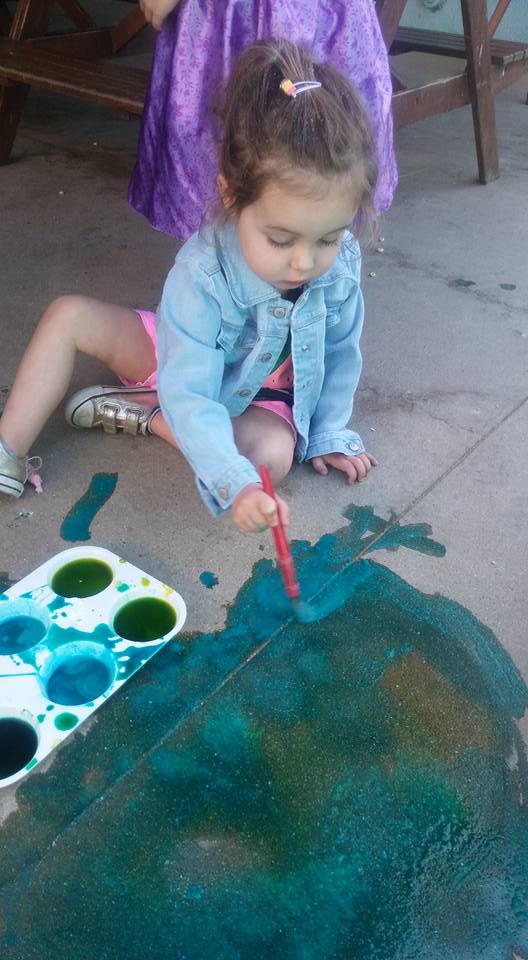
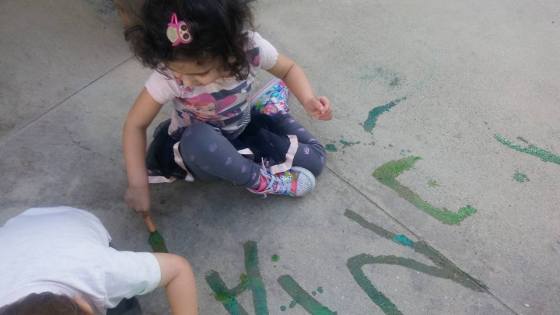
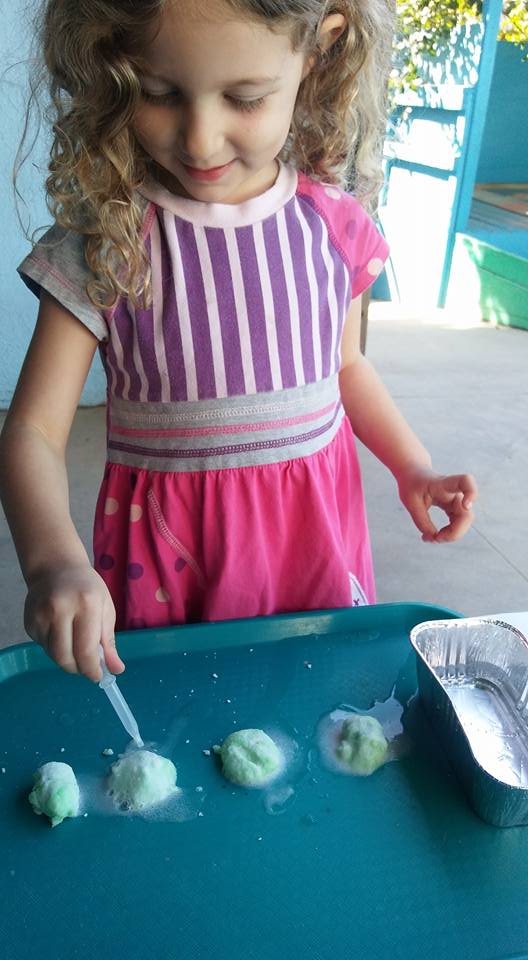
To integrate this concept into our Many Colored Days unit, we decided to mix two primary colors to create a secondary color!

colors5

Using homemade chalk (cornstarch and water), we mixed yellow and blue, and excitedly watched to see the result!

colors4

Green Eggs and Ham Counting

Early math is not about the rote learning of discrete facts like how much 5 + 7 equals. Rather, it’s about children actively making sense of the world around them. Unlike drills or worksheets with one correct answer, open-ended, playful exploration encourages children to solve problems in real situations.

counting

Because the situations are meaningful, children can gain a deeper understanding of number, quantity, size, patterning, and data management. For example, it is easier to understand what six means when applied to a real-life task such as finding six beads to string on a necklace or placing one cracker on each of six plates.

counting2

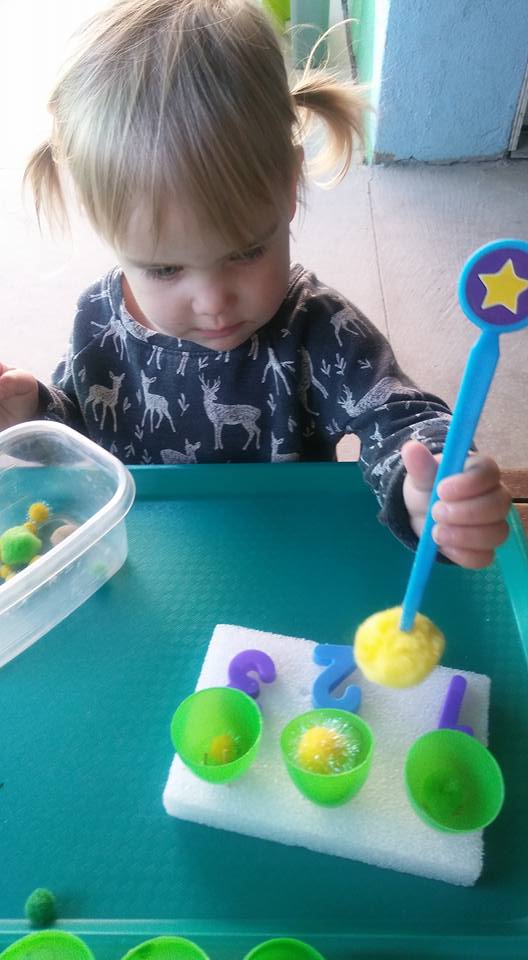
It is for this reason that we used plastic eggs and pom poms to practice our counting! This activity also included a fine motor component with students using tweezers to pick up their “yokes”. Each plastic egg in this project was affixed with a number. Students were then encouraged to place pom poms (which represented yokes) into each egg, matching the print number with the number that they would count out verbally. Your little ones learned so much!

counting1

Green Eggs and Ham Sensory Bin

A sensory bin is typically a plastic tub or a large container of some sort filled with materials and objects carefully selected to stimulate the senses. A sensory bin can be filled with a large variety of different materials such as shredded paper, water beads, water, sand, and more.

hamsensory

A sensory bin can provide opportunities for children to stimulate some or all of the following senses: visual (sight), auditory (hearing), olfactory (smell), gustation (taste). As part of our Green Eggs and Ham unit, we learned about the different parts of an egg using this wonderful medium.

hamsensory5

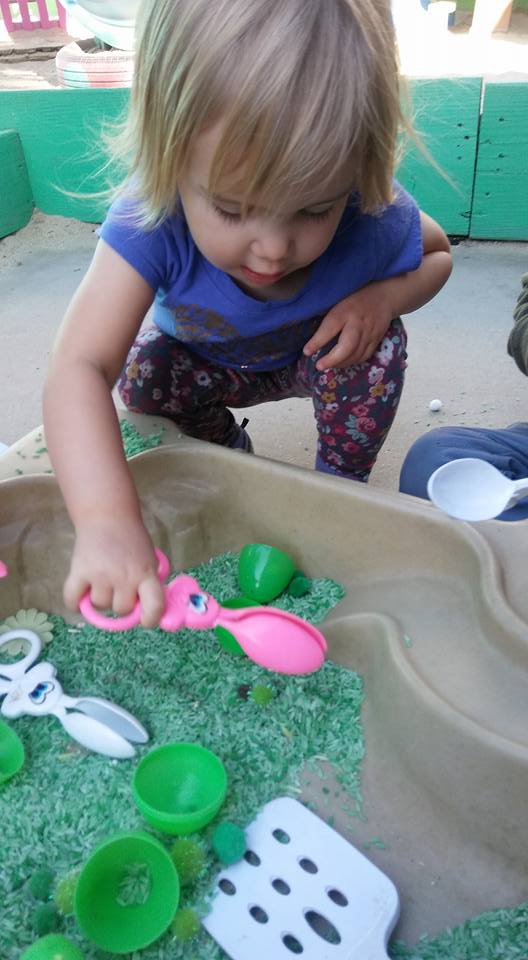
The base of our bin was created using green rice. The parts of an egg were represented by green plastic eggs as the shell, and white pom poms as the yoke. Students were also given spatulas and flip their eggs and manipulate the rice. Lastly, they enjoyed combining their materials with their friends’.

hamsensory2

Green Eggs and Slime

Tactile learning and touch is essential for a child’s growth in physical abilities, cognitive and language skills, and even social and emotional development.

greenslime

Many children learn through tactile experiences, especially when they are young. As part of our Green Eggs and Ham unit, your little one participated in a tactile learning activity. Using green slime as our green egg “whites”, poker chips as our “yoke”, glitter as our salt, and plastic utensils, students practiced cutting their “eggs”.

greenslime4

Everyone enjoyed manipulating their utensils and slime with not only their forks, but their hands! The great thing about slime is how malleable it is. Students could experiment with the physical properties of it, enjoying the cause and effect that occurs as a result!

Dissolving Eggs

For young children, the process of cause and effect can be a powerful one. This is because they love to see results…immediately. This occurs on account of how they think.

greenegg6

Because young children think in three-dimensions, it is useful to give them experiences that enable them to learn on a tactile level.

greenegg5

They not only witness things change before their eyes, they get to be the creators of that change! This makes learning so much fun.

greenegg2

As part of our unit on Dr. Seuss, we spent one week learning about Green Eggs and Ham. For this activity, we included a bit of chemistry. Using vinegar and baking soda, students used eye droppers to drop vinegar onto their baking soda “eggs”. They enjoyed watching their baking soda “eggs” dissolve.  Lastly, they were able to see the reaction of the two chemicals, and were gratified by the rapidity of it.

greenegg3

Iceberg Habitats

In our class, we provide environments that encourage and enhance problem solving.

blocksnow

It is for this reason that we often incorporate block play into our curriculum.

blocksnow1

Block play encourages a child to test spatial relationships and mentally rotate objects in the mind’s eye.

blocksnow2

Such practice might lead kids to develop superior spatial abilities.

blocksnow3

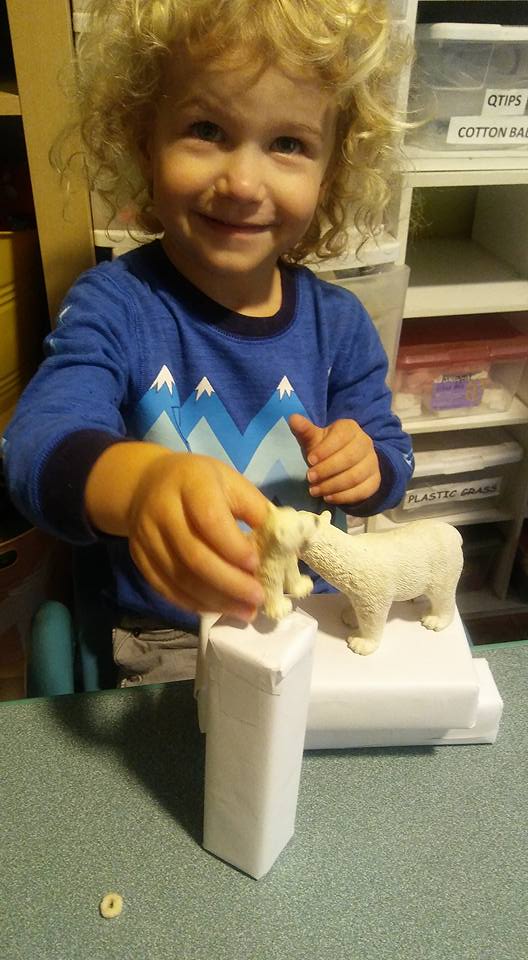
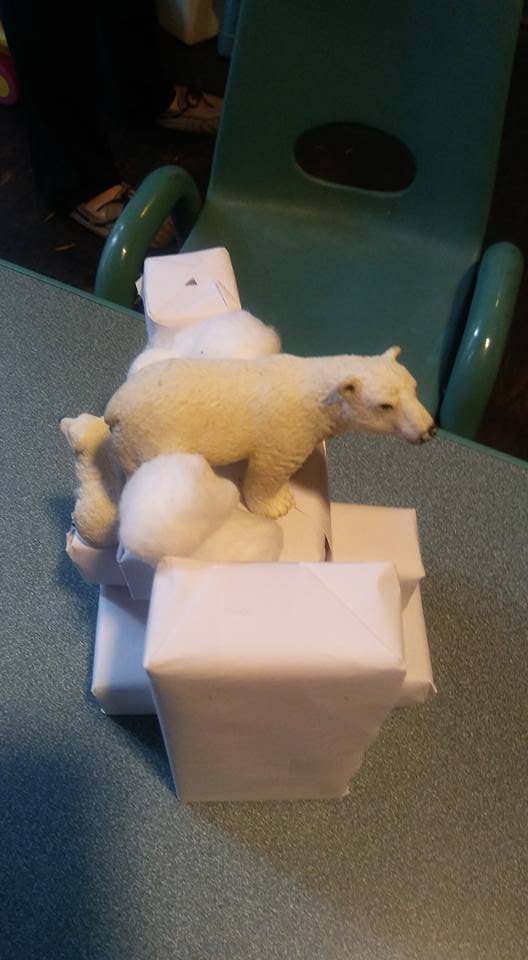
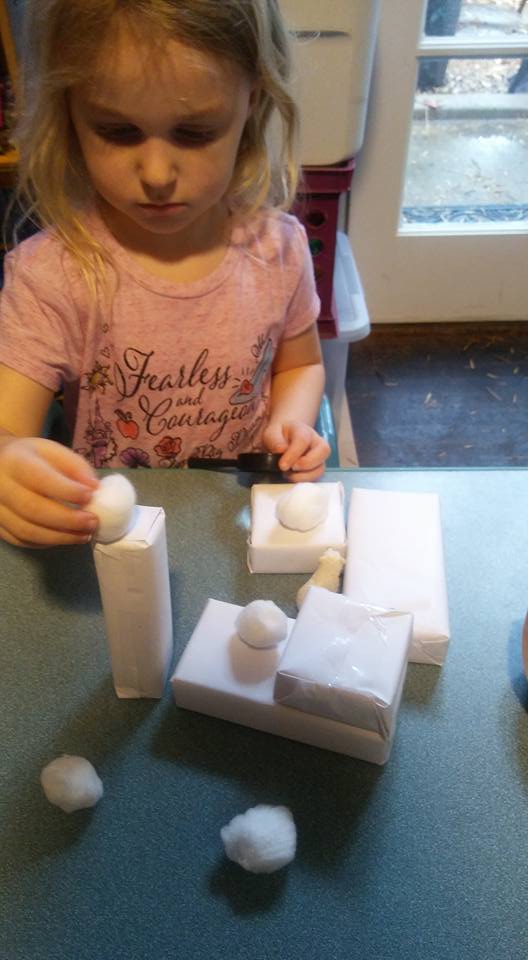
Within our week of the polar bear, we constructed a variety of polar bear habitats using a variety of materials.

blocksnow4

For this activity, we constructed habitats out of white blocks. Using their thinking minds, students created a variety of structures with their friends!

blocksnow5

Snowy Bears

Different creatures survive in different types of habitats.

78707950_2888164424550707_453034778174685184_n

On this day your little one learned that habitats are environments that a particular plant or animal is perfectly suited for.

78999729_2888164534550696_4963943653903958016_n

To learn some more about polar bears, we used this particular Tuesday morning to talk about the snow that surrounds them!

78281243_2888165924550557_5411900165827067904_n

We then used insta-snow to create the perfect environment for our bears!

Polar Bear Structures

Children learn through experiences, and the earlier they are exposed to STEM-based hands-on learning experiences, the better.

tower5

Engineering activities, by their nature, are an inquiry-based pedagogical strategy that promotes learning across disciplines.  Engineering curricula introduces students of all ages to everyday applications of science, mathematics, technology and engineering that match their values and view of the world.

tower4

This, and many of our other activities are designed to engage students in hands-on STEM experiences in order to improve their understanding of fundamental concepts in a way that capitalizes upon their design, visualization, creativity and teamwork skills and yearnings.

tower2

For this STEM activity, students created white structures out of cups. These structures symbolized glaciers and other snow-topped bodies of land that surround polar bears. Using their hands, they stacked the cups in various formations and then stuck their bears into the middle. It was so much fun seeing what everyone came up with!

tower1

Polar Bear Snow

A sensory activity is anything that involves the 5 senses (taste, touch, smell, hearing, sight) and also the vestibular or proprioception systems.

pbsnow

Sensory activities for children can be messy, engaging, fun, and easy to put together.

pbsnow3

As part of our polar bear theme, your little one engaged in a variety of sensory activities throughout the week.

pbsnow1

For this one, students combined different ingredients to make polar bear “snow.” Using shaving cream, glitter, and flour, students both mixed and played with their new “snow”.