Polynesia began with the voyaging canoe. More than three thousand years ago, the uninhabited islands of Samoa and Tonga were discovered by an ancient people called the Polynesians. With them were plants, animals, and a language with origins in Southeast Asia; and along the way they became a seafaring people.
Arriving in probably a few small groups, and living in isolation for centuries, they evolved distinctive physical and cultural traits. The islands of Samoa and Tonga became the cradle of Polynesia, and the center of what is now Western Polynesia.

Following their discovery of the West, Polynesians began exploring eastward (during times when winds shifted away from the prevailing easterlies) and discovered the Tahitian and Marquesas Islands.
From these centers of diffusion, explorers reached outward as far as Hawaii to the north, Easter Island to the east, and New Zealand to the southwest. The Polynesians’ primary voyaging craft was the double canoe made of two hulls connected by lashed crossbeams.
The two hulls gave this craft stability and the capacity to carry heavy loads of migrating families and all their supplies and equipment, while a central platform laid over the crossbeams provided the needed working, living, and storage space.
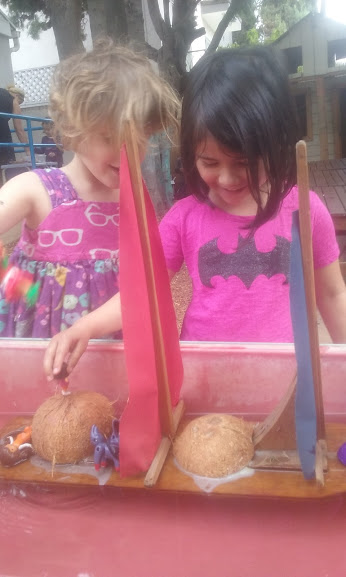
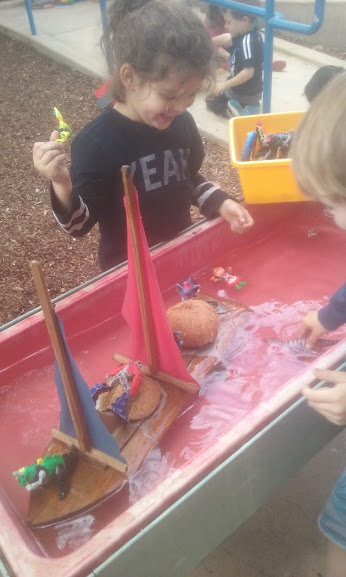
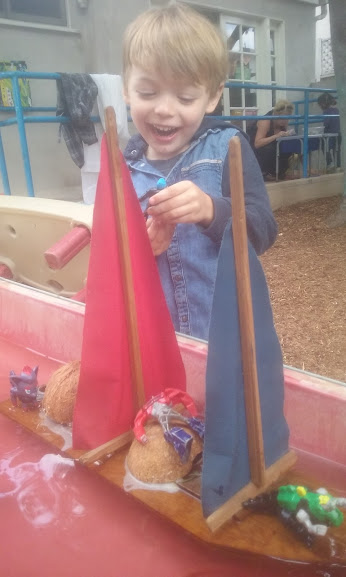
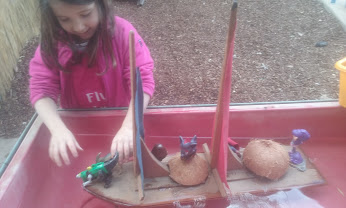
Sails made of matting drove this ancient forerunner of the modern catamaran swiftly through the seas, and long steering paddles enabled Polynesian mariners to keep it sailing on course. To help your little ones learn more about this, we created and played with our own double-hulled canoe!
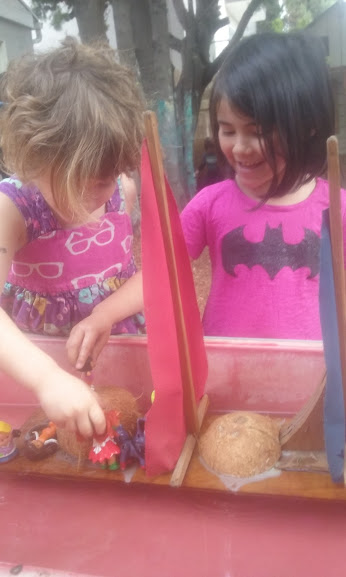
Your little ones enjoyed stacking their Polynesian people (in our case, superheros and princesses) onto the “canoes” to see how many they would hold. After their vessels sunk, they would laugh and do it all over again!












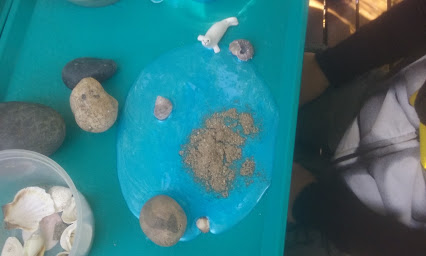
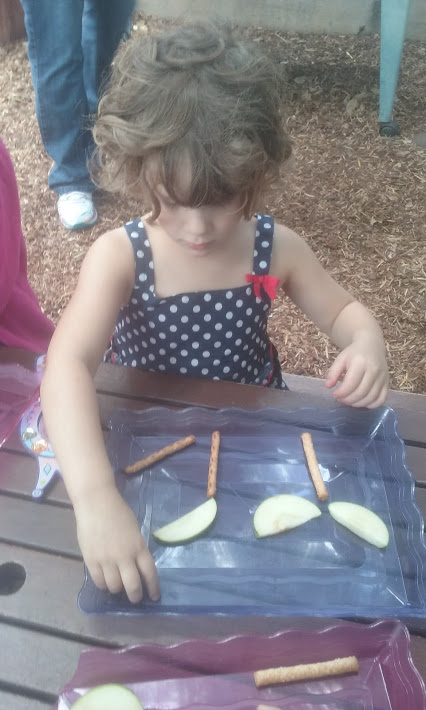


 Most of what is known about sea turtle behavior is obtained by observing hatchlings and females that leave the water to lay eggs. Sea turtles, like salmon, will return to the same nesting grounds at which they were born.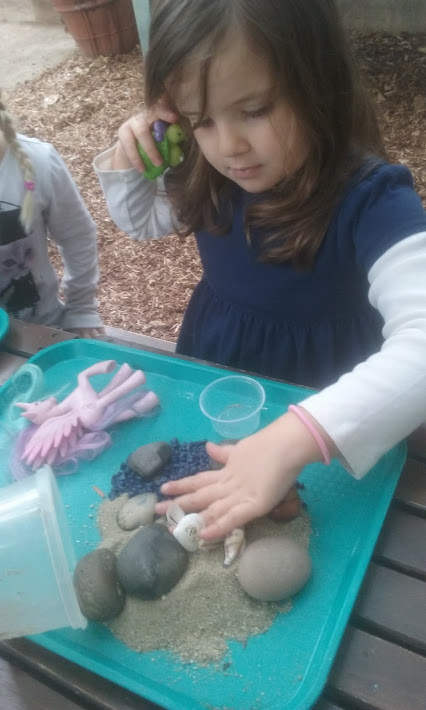


 The most obvious change from toddlerhood is the extraordinary increase in the child’s ability to mentally or symbolically represent concrete objects, ideas, and events.
 This increasing ability to use mental representation allows children to make plans before taking action, and their activities take on a more purposeful direction.
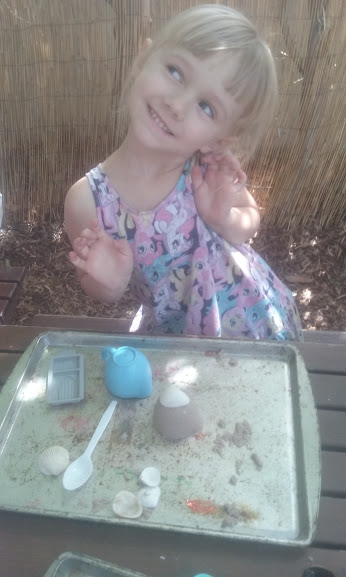
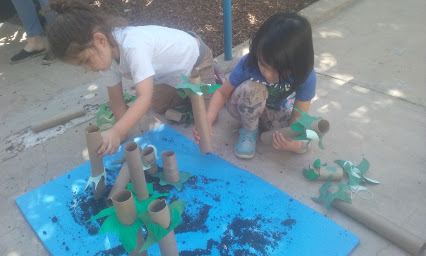
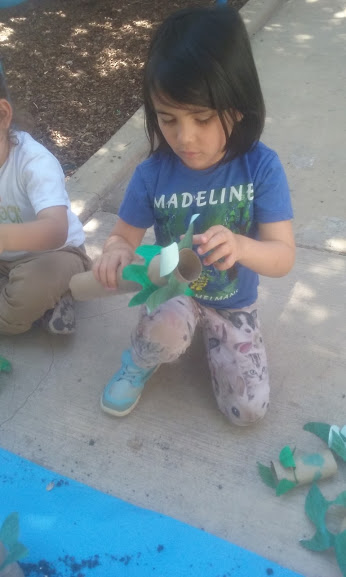
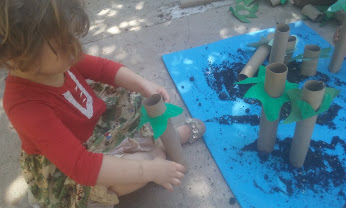
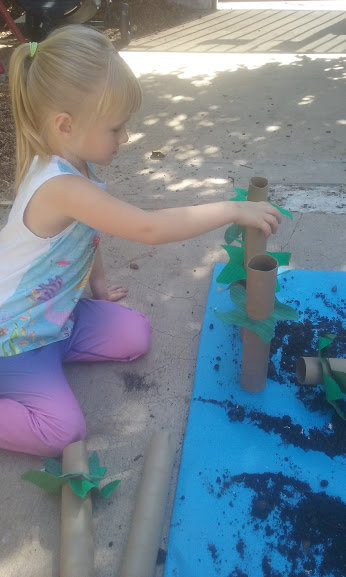
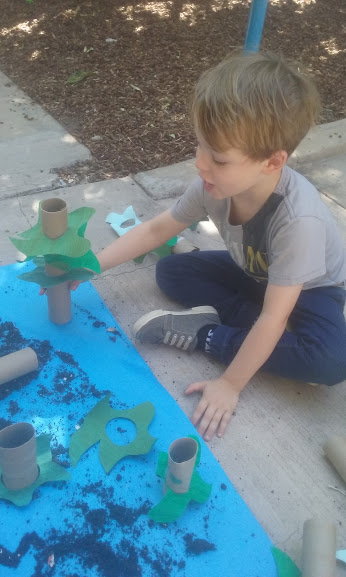
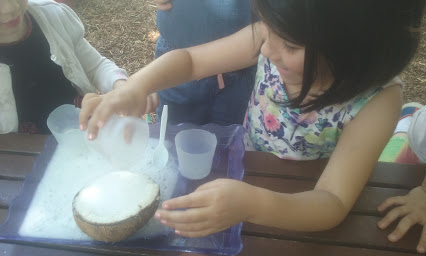
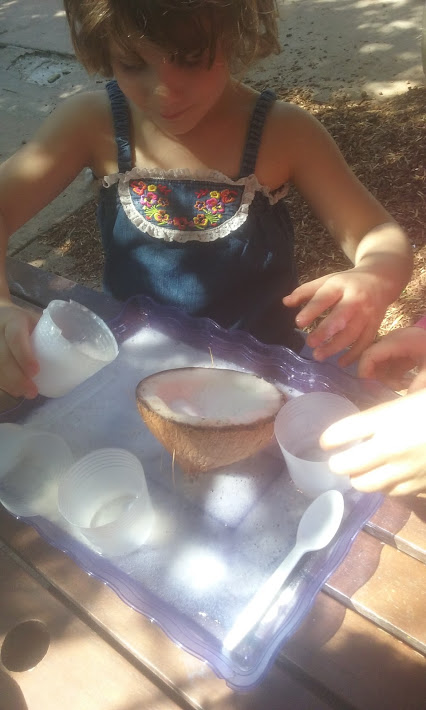
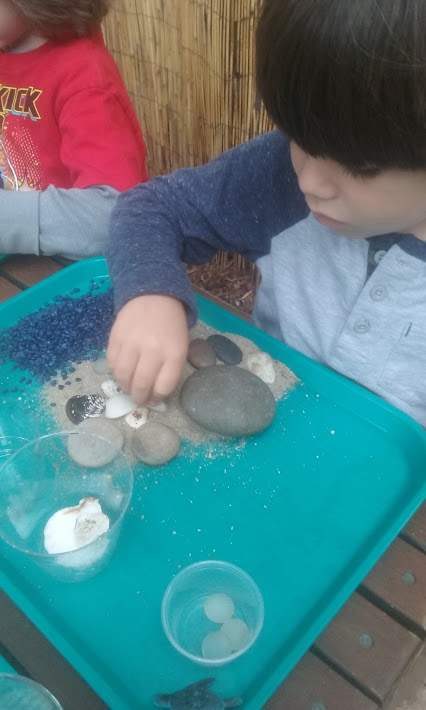
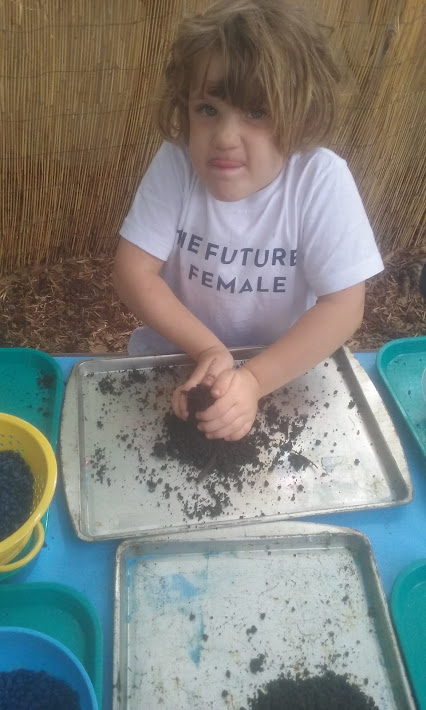
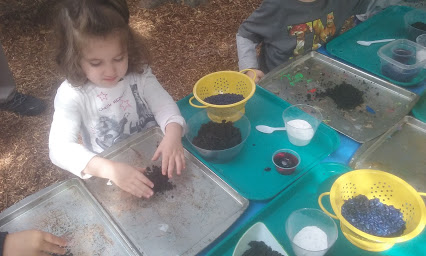
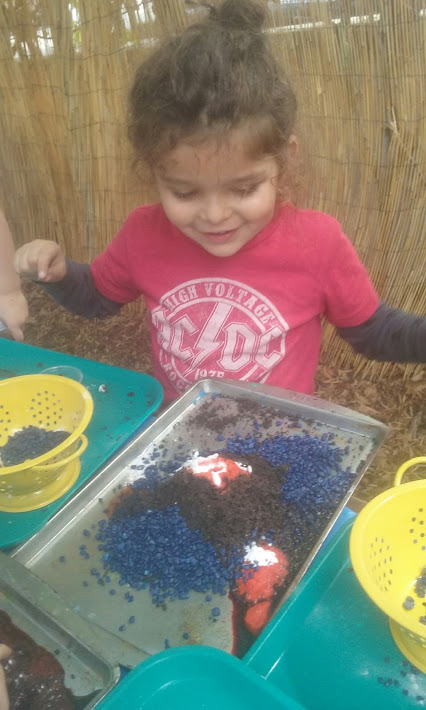
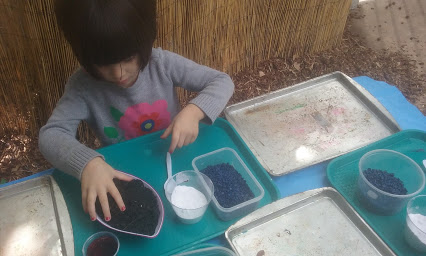 This varies from child to child, but can be developed with hands-on activities. To help facilitate this, we created small volcanoes as part of our Hawaiian theme. Children started by placing dirt onto trays.
 They then added blue gravel as their “water”.
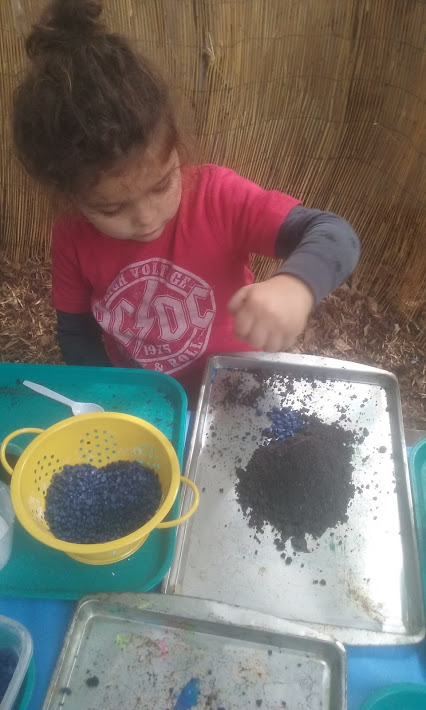 Following, they used their pointer fingers to poke a hold into their “mountains”.
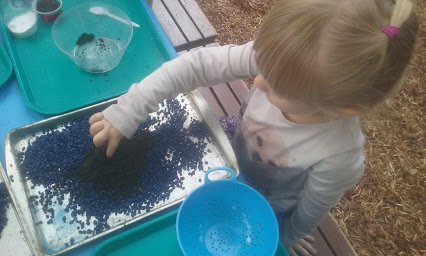 After this, they added baking soda, and for the grand finale, orange-colored vinegar.

 misscarriescorner