Huntley National Park

On March 1, 1872, Congress established Yellowstone National Park in Montana and Wyoming as a public park for the benefit and enjoyment of the American people. It was placed under exclusive control of the Secretary of State of the Interior. The founding of Yellowstone National Park began a worldwide national park movement. Today more than 100 nations contain some 1,200 national parks or equivalent preserves.
In the years following the establishment of Yellowstone, the United States authorized additional national parks and monuments, many of them carved from the federal lands of the West. These, also, were administered by the Department of the Interior, while other monuments and national and historic areas were administered by the War Department and the Forest Service of the Department of Agriculture.
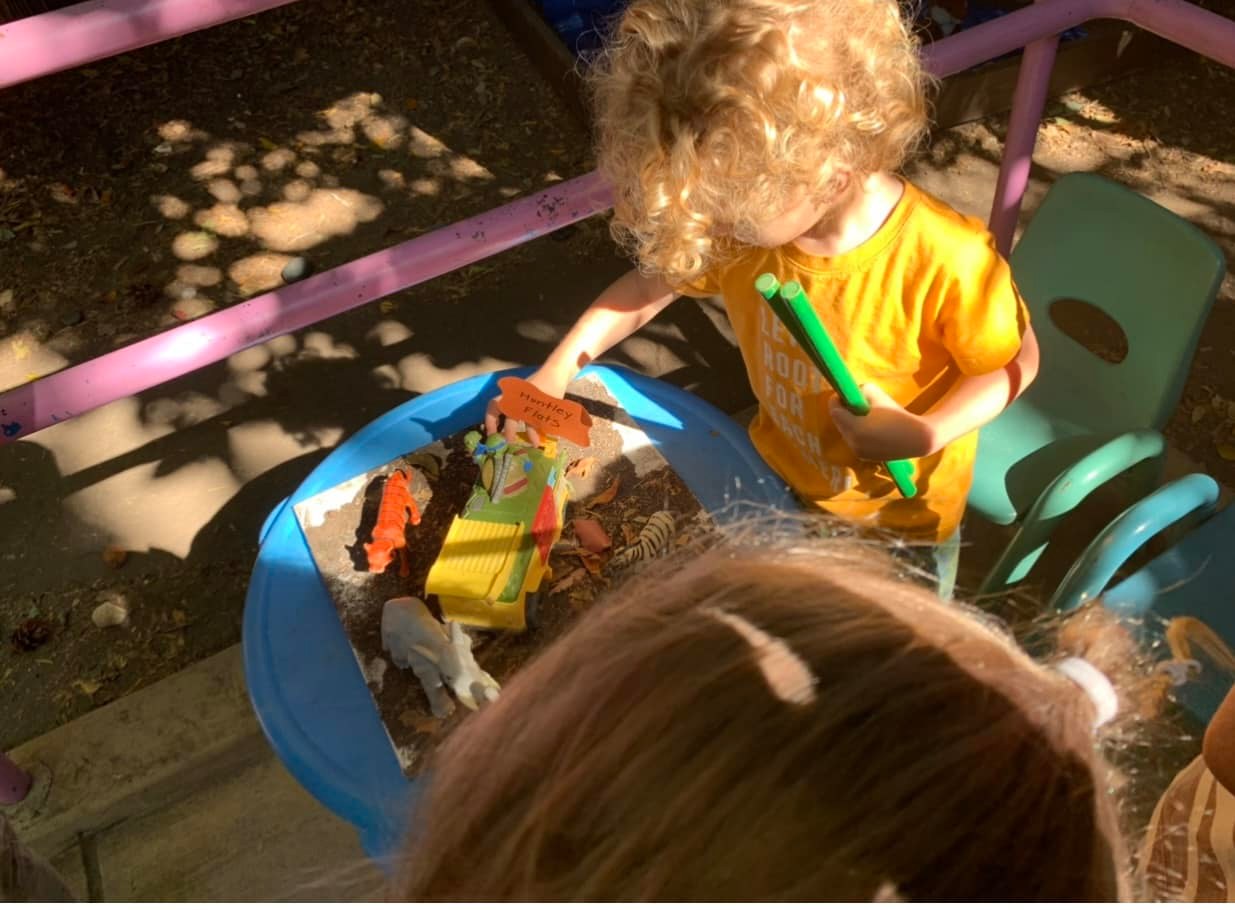
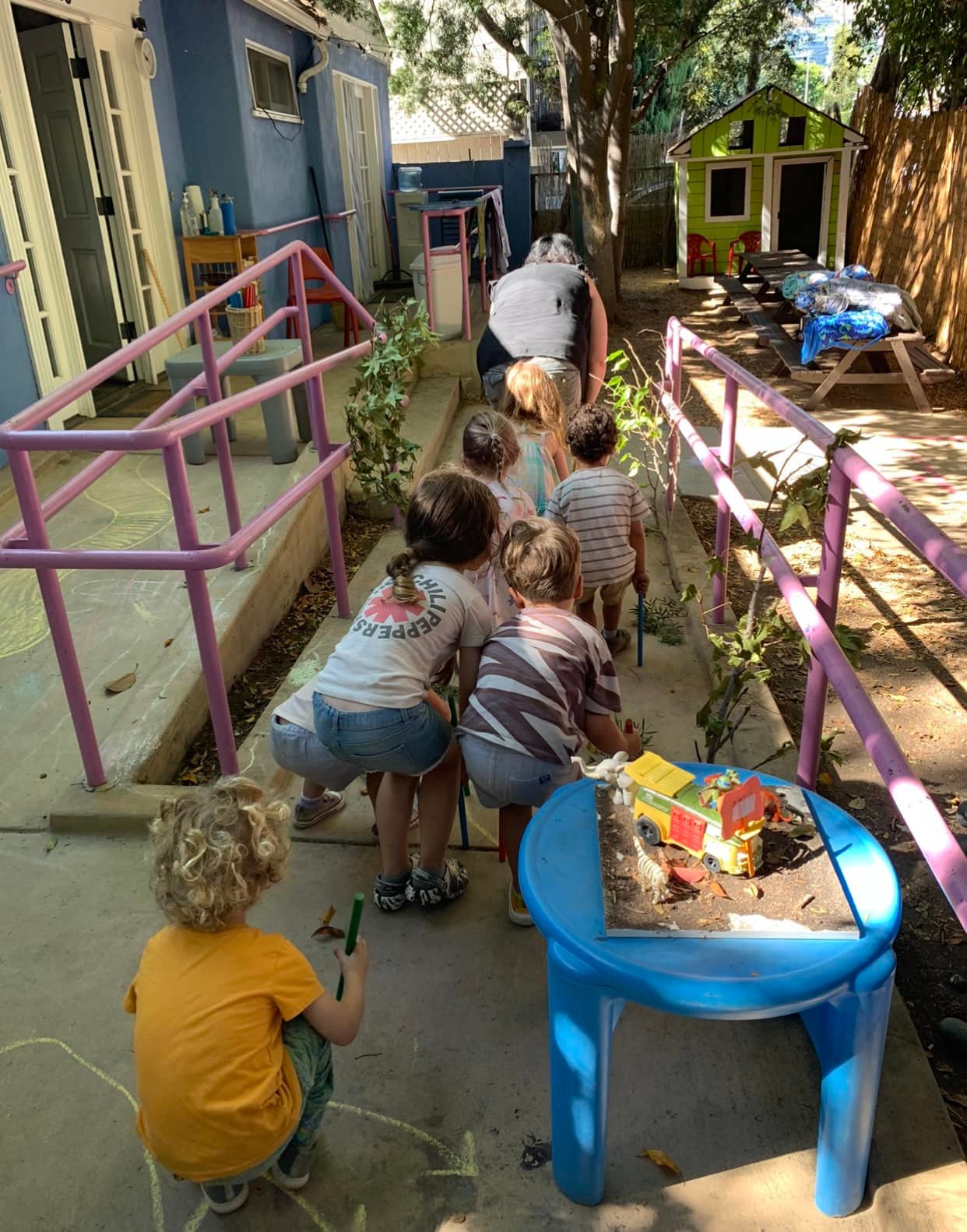
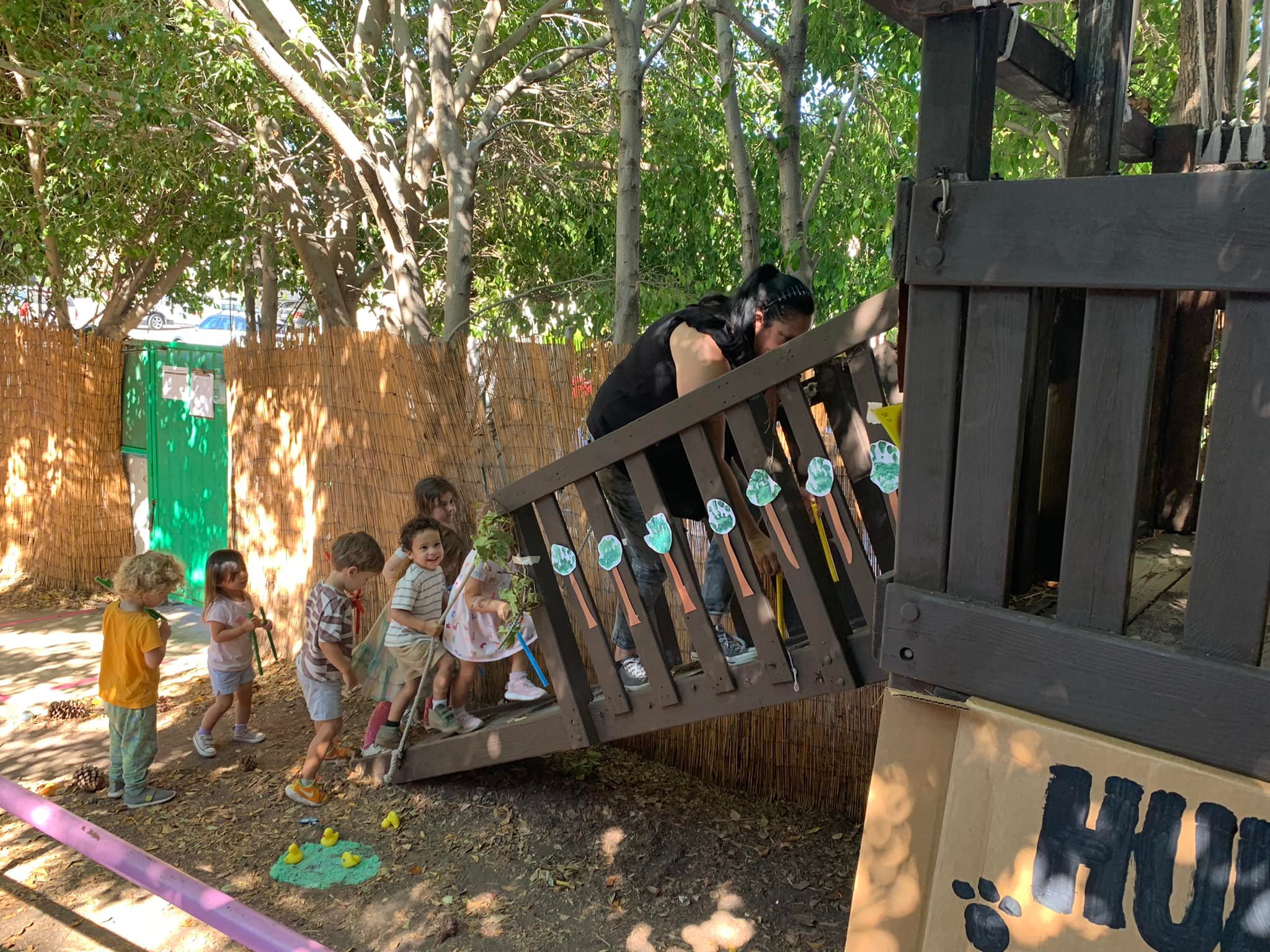
Upon learning about these national treasures, we decided to create our very own using a few simple materials. Students were involved in each step of the process and enjoyed creating the various exhibits they would later visit during our “hike” through.

Each exhibit featured a different landmark within the park. These included Huntley Lake, Huntley Flats (an animal reservation), Huntley Peak, Huntley Bear Caves, and the Huntley Picnic Area.

With their hiking sticks, your little ones practiced lining up in a straight line, following directions, and using their large motor skills to visit each landmark. From one to the other, they learned about the specifics of each feature, and were given free rein to interact with it.
Environmental education is important in the preschool classroom. For one, it instills passion for the environment. Secondly, it encourages children to form sustainable habits. Thirdly, it raises eco-friendly consumers. Lastly, it trains the next generation of environmental advocates.

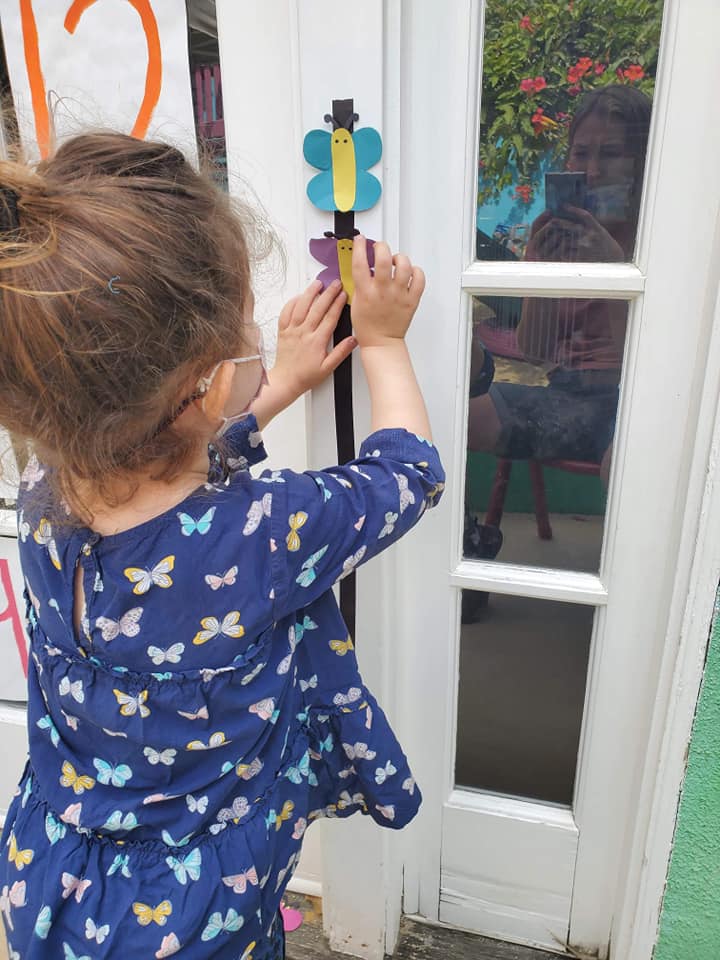
Miss Cheyenne’s Little Butterflies

For pre-literate children, the visual arts are a primary means through which they can explore and share their perceptions of their world. The visual arts can help children to communicate ideas that cannot be expressed verbally, which is particularly important for children with English as a second language.

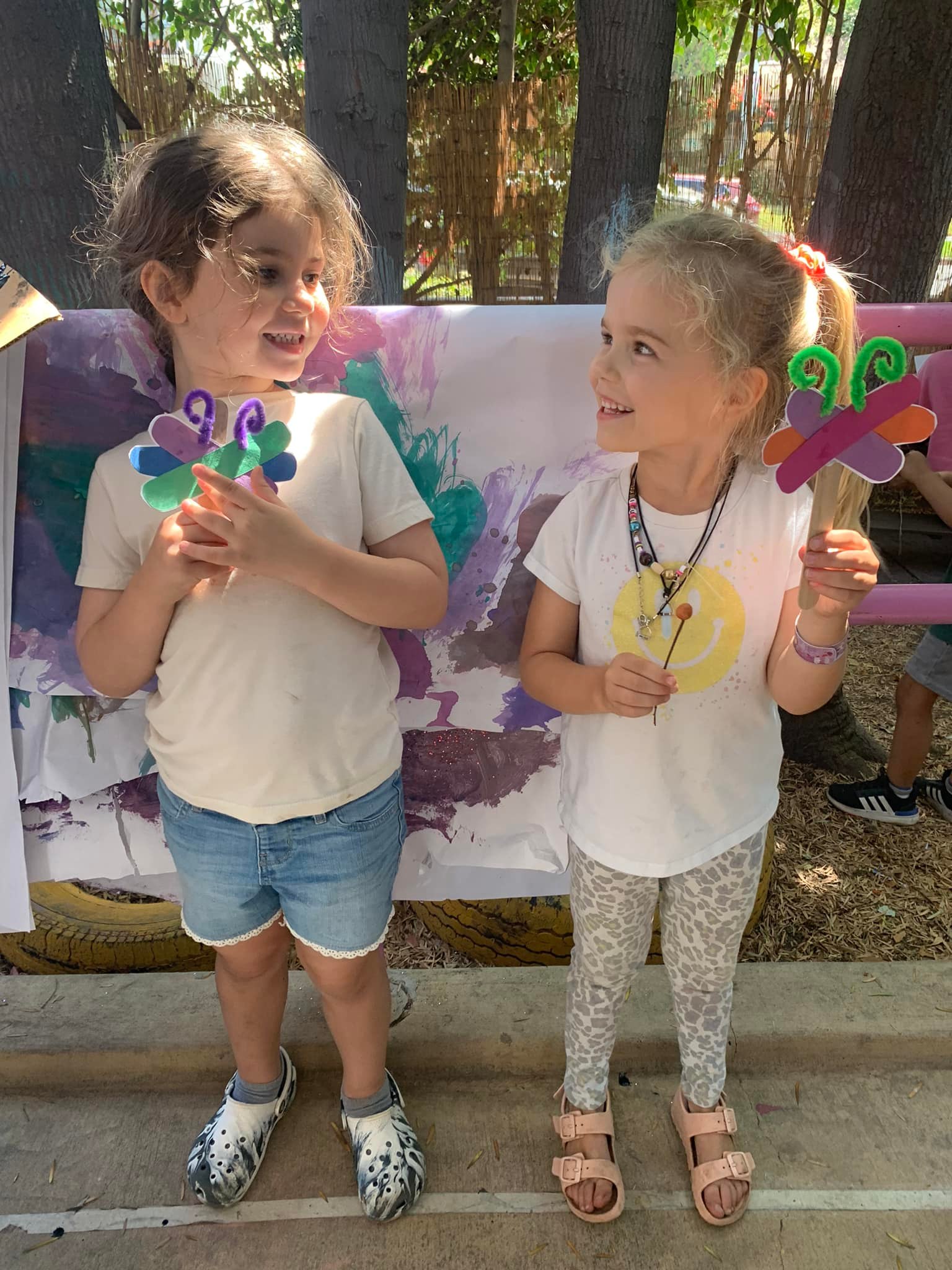
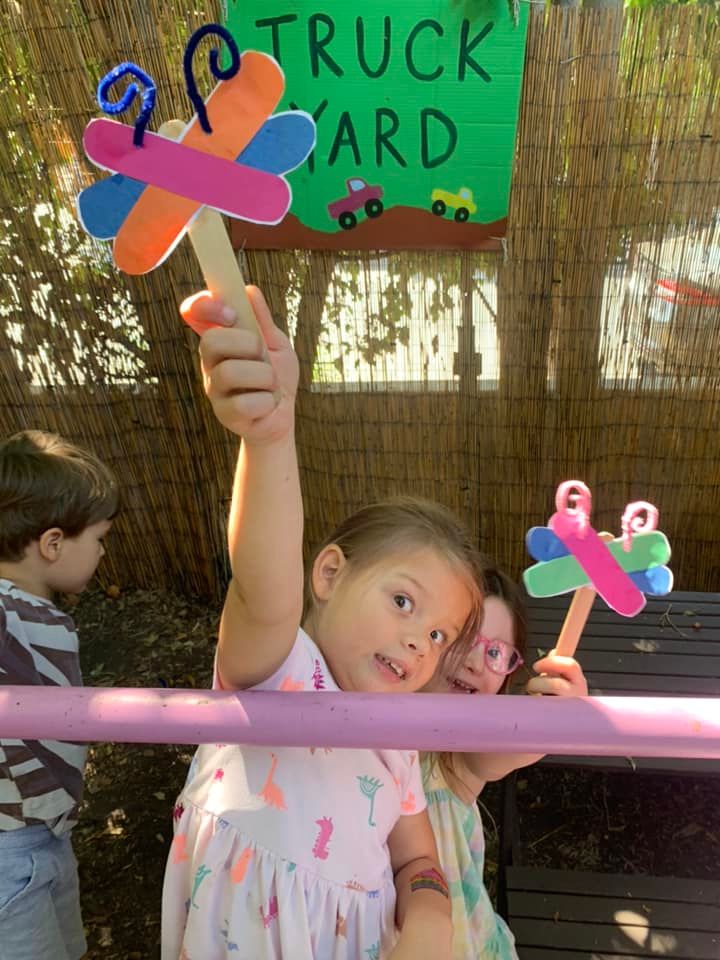
This week’s theme entails all things related to hiking. In order to bring the visual arts to our young ones, Miss Cheyenne came up with this colorful art project! Students used their fingers to add glue and pipe cleaners to paper shapes in order to create a beautiful butterfly!

Our students enjoyed sharing their creations with their friends. Many of them even engaged in some dramatic play!

H(ikers) in the Grass

To start our hiking week off with some fun, we integrated this exciting fine motor language activity. At our preschool, we understand that children process information using more senses than just their sight and sound. It is for this reason that we post many sensory activities that focus on the three year olds’ favorite sense: touch! Instead of using a pencil and becoming frustrated, many of our twos and threes use a combination of different fingers to create symbols, such as letters and numbers. What more fun than to accomplish this by tracing the letter H into “grass” aka rice.

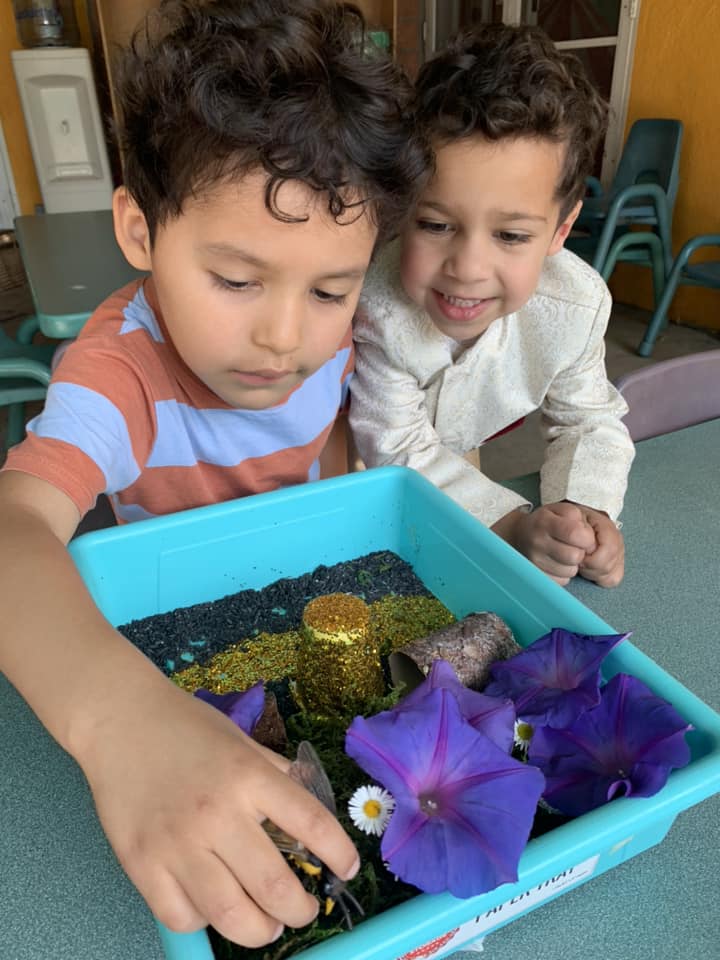
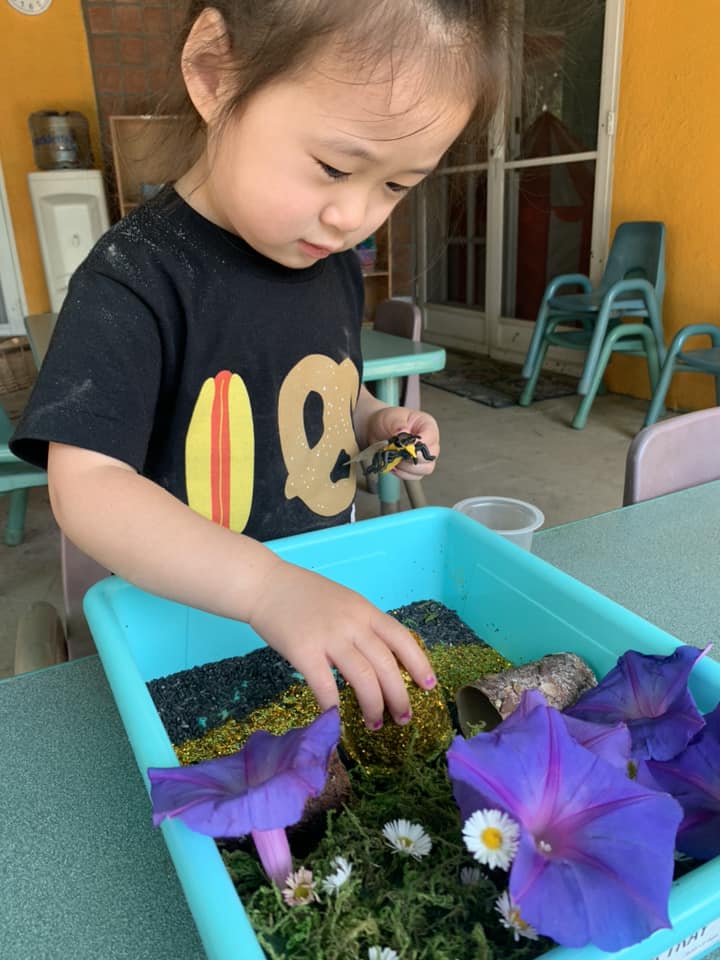
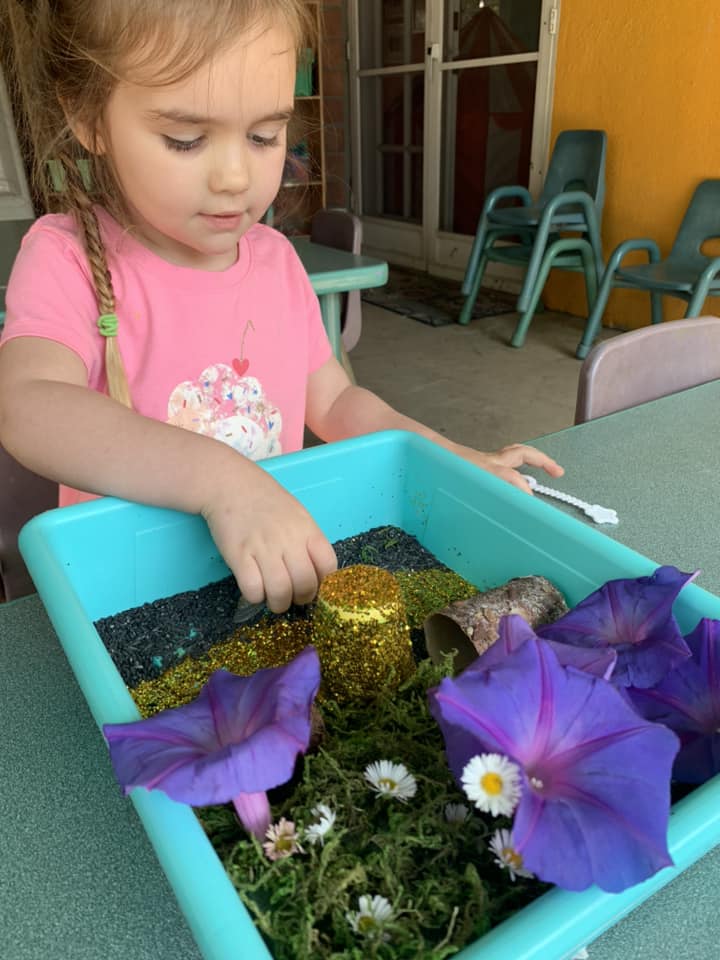
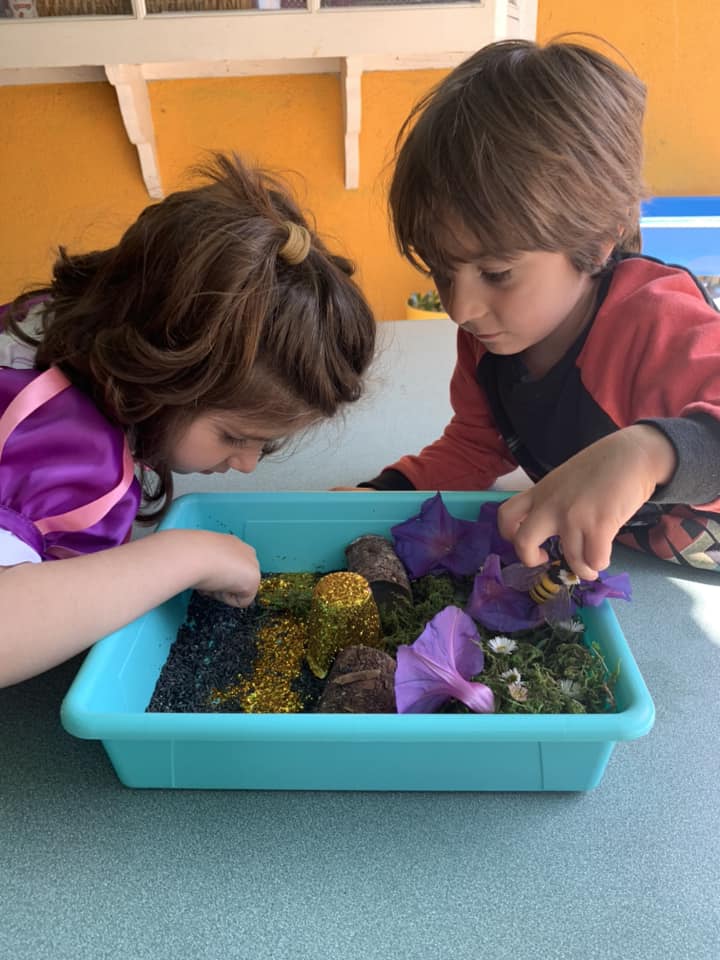
Bumble Bee Small World Play

Engaging in small world play is so important for young children.

Not only does it nurture their imagination, it also enables them to explore new materials, act out scenarios from real life, build language, practice social skills and gain an understanding of the world around them.

For this activity, students participated in this kind of play within the scope of our bee theme!

Using several different materials, your little ones enjoyed creating their own environments for their bees.

Many developed stories for their creatures, using their imaginations to concoct various scenarios.

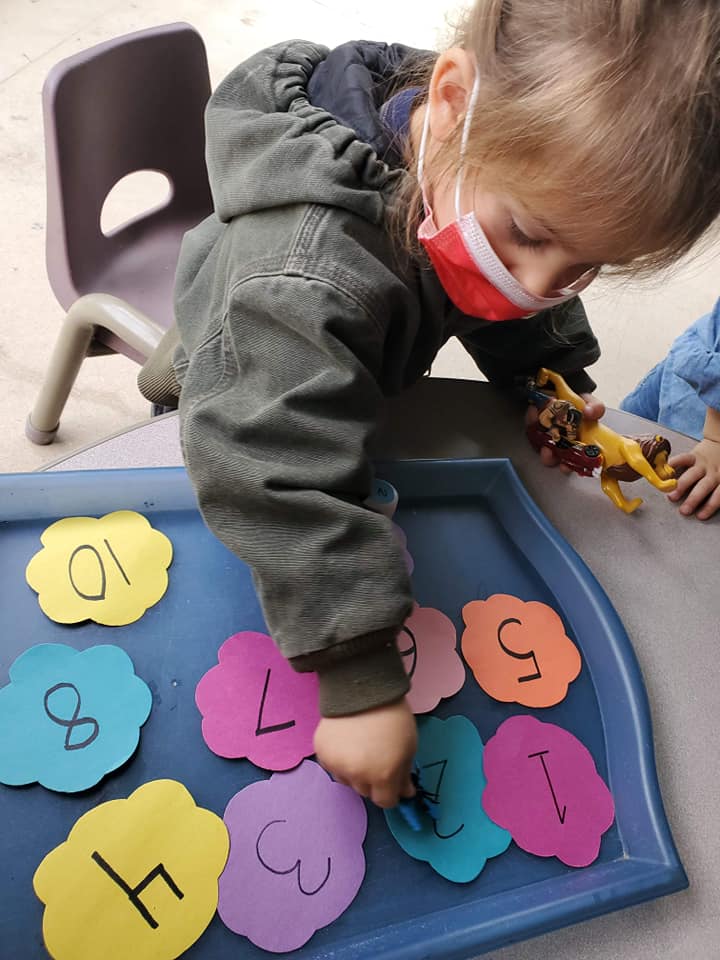
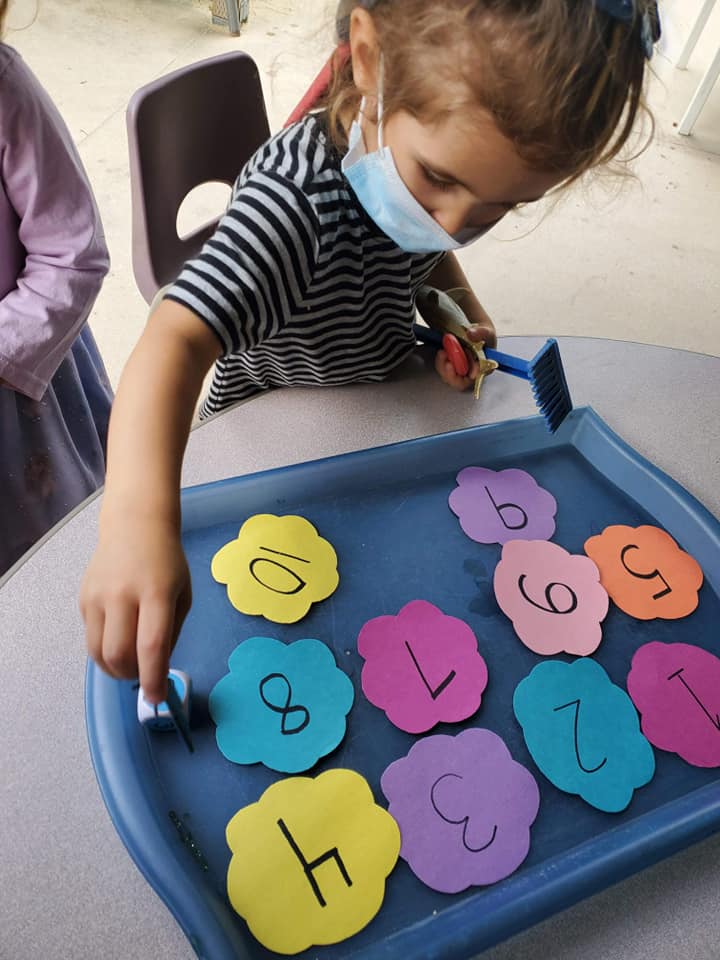
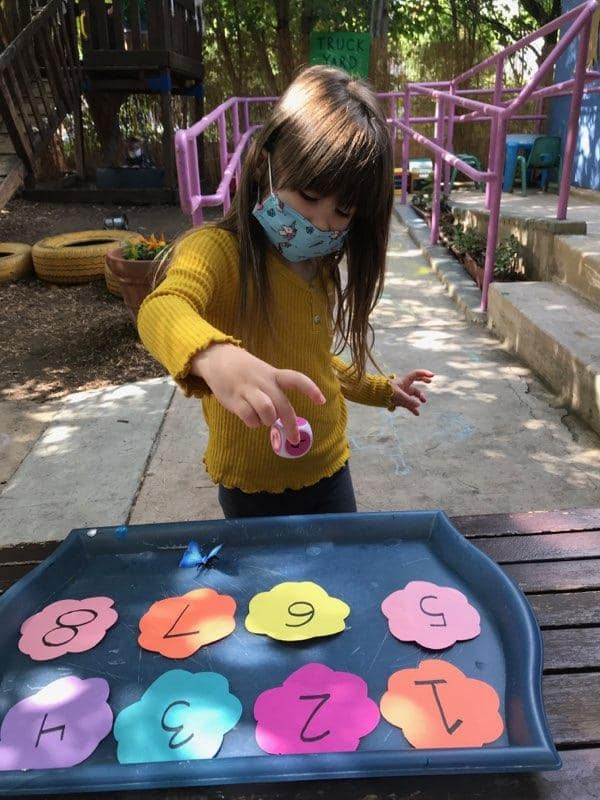
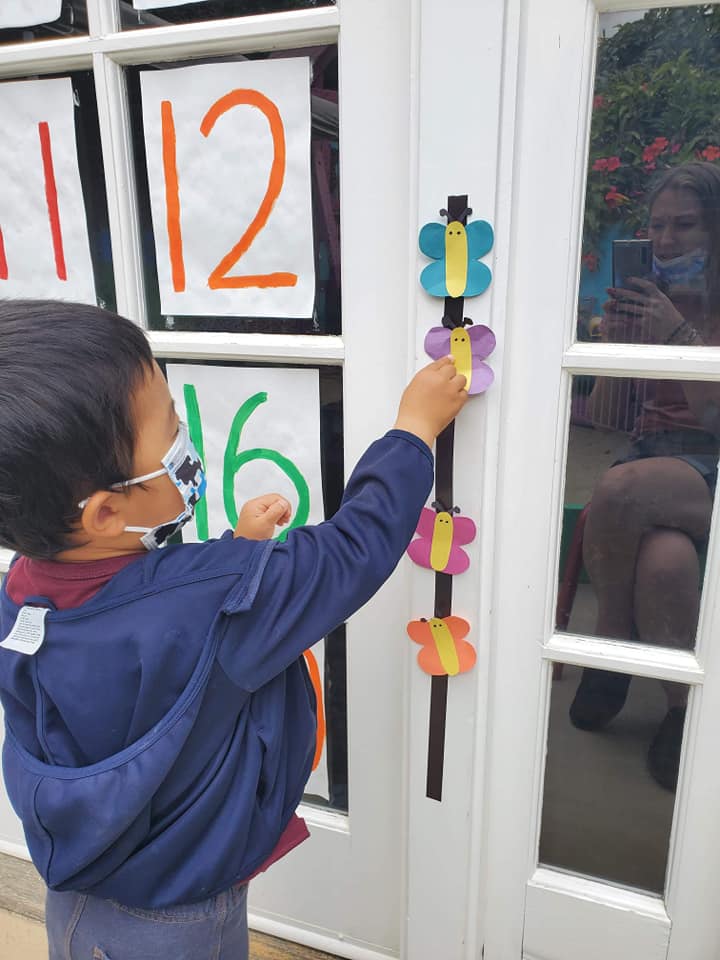
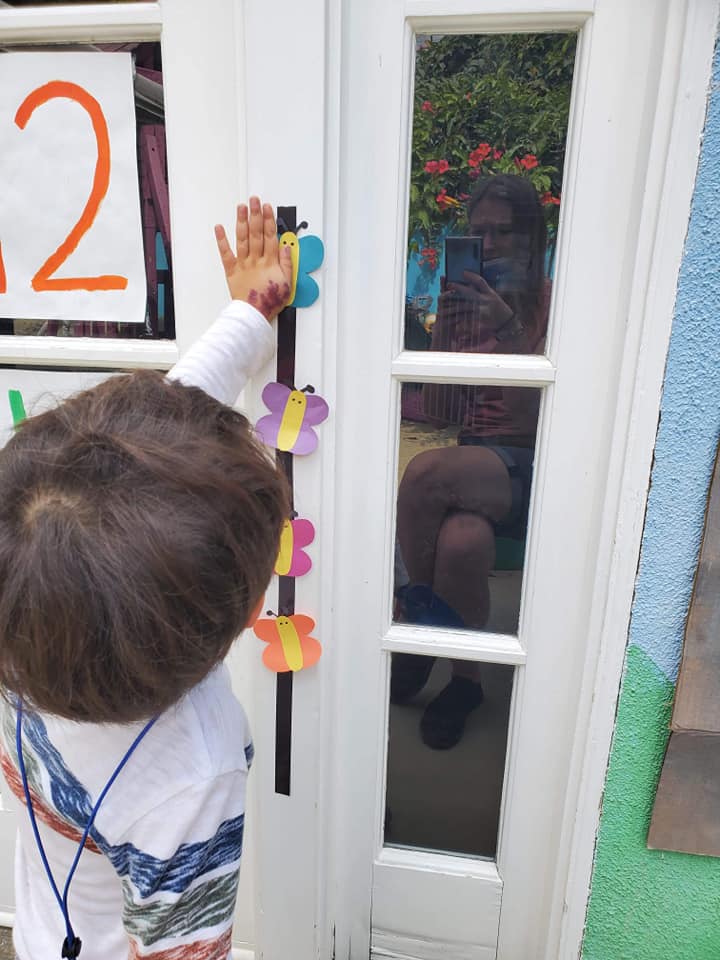
Butterfly Roll and Count

For this activity, students learned how to use a dice!

To do this, they lined up a number of flowers, 1-10.

They were then given a butterfly figurine. Following this, they were given two dice.

They were instructed to roll their dice to call out the number that was face up. After this, they moved their butterfly (starting at 1) to this number, counting as they did so.

Butterfly Magnets

Preschool students are some of the most curious beings on the planet.

The problem, however, is that they don’t understand complex answers if you only use words.

“Magnetic fields” and “positive/negative terminals” mean little a preschoolers. It is for this reason that we are constantly having our students experiment with different kinds of magnets.

By exposing them to items, they are able to understand complex concepts through concrete knowledge.

To align this with our butterfly week, we decided to play with these fun butterfly magnets! In addition to manipulating the magnets, students also created patterns out of them.

Beetle Letter Roll

For this activity, many of our students got to manipulate a dice for the first time!

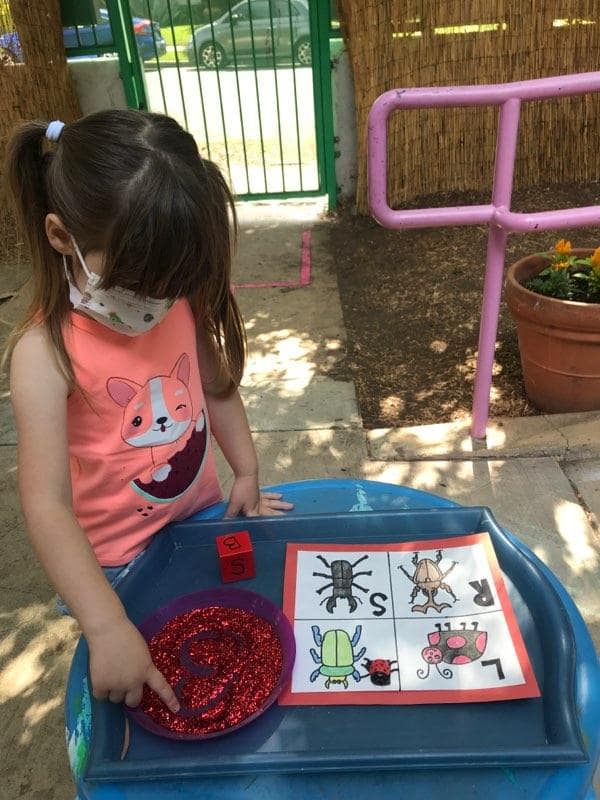
With the aid of colorful illustrations, students learned how to spin a dice, recognize a letter, and then match that letter with an item! To tie this in with Beetle Week, we used a beetle-themed dice.

Firstly, students learned about four kinds of beetles.

Secondly, they learned about the letter that each beetle starts with.

Thirdly, they rolled the dice. Following this, the matched the letter with the correct beetle.

They completed this until each letter was rolled. Lastly, they traced each letter in the glitter.

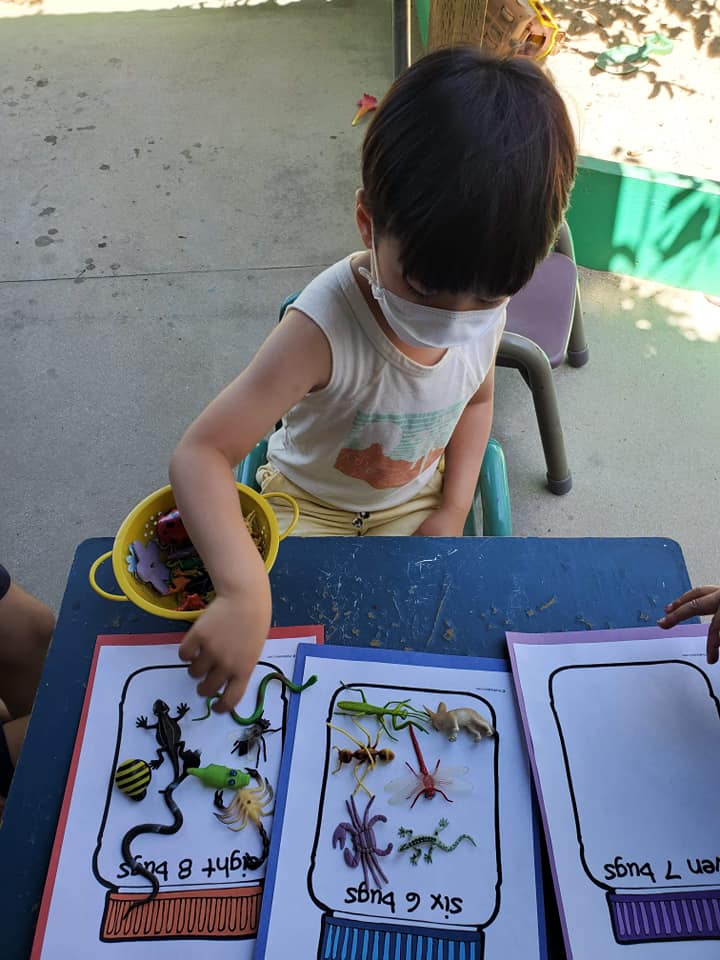
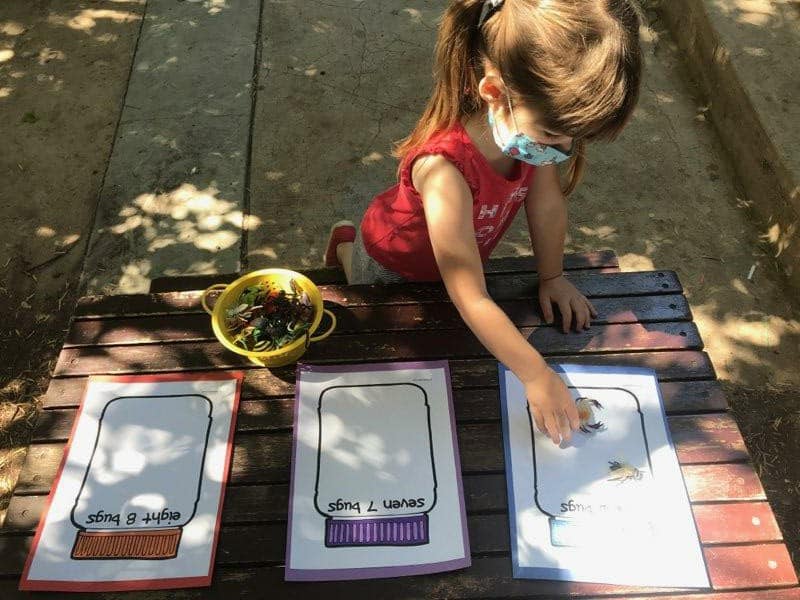
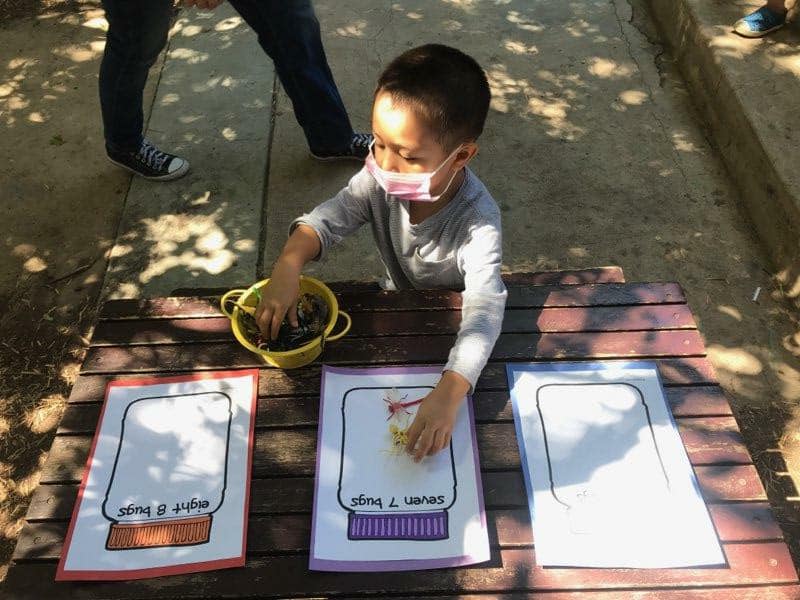
Beetles in a Jar

Beetles are a type of insect characterized by front wings that serve as protective covers for their membranous hind wings.

These protective sheaths are often brightly colored, making them a fun subject for preschool counting! At our school, we are always engaging in play-based math activities.

This includes counting, sorting, measuring, and having fun!

We try to use an many three-dimensional items as possible so that our activities are as concrete as possible.

For this activity, students counted a variety of beetles of different quantities.

Following this, they sorted their bugs according to number.

Beetle Sensory Bin

Beetles, or Coleoptera, are the largest group of insects.

There are around 400,000 species of beetles that are known to scientists.

They can be found in all regions, from mountaintops to wetlands to scorching deserts.

For this activity, we decided to create our very own beetle habitats.

Using colored rice, plants, tweezers, and toy beetles, students created the perfect homes for their critters!

This activity targeted multiple developmental domains, including fine motor skills, science, and social science!

Fish Manipulatives

For this fun activity, we tied in two developmental domains with our fish theme!

These include language and literacy and fine motor skills!

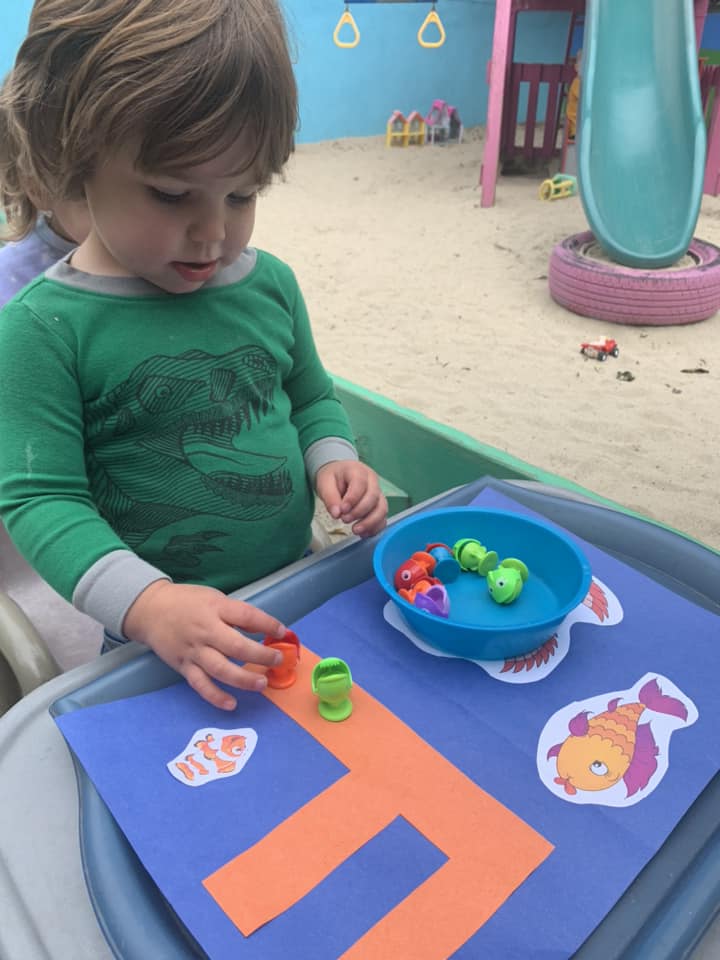
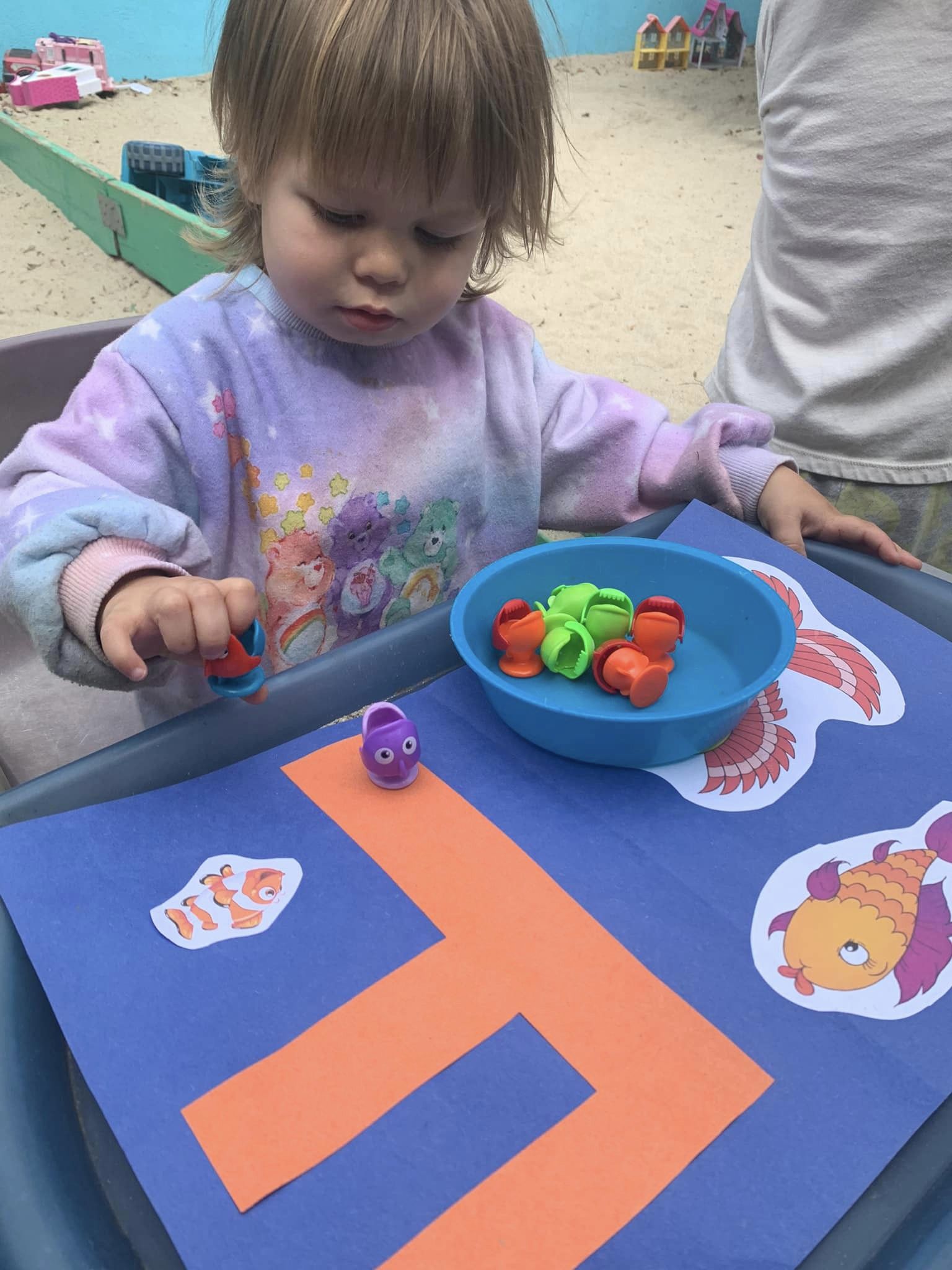
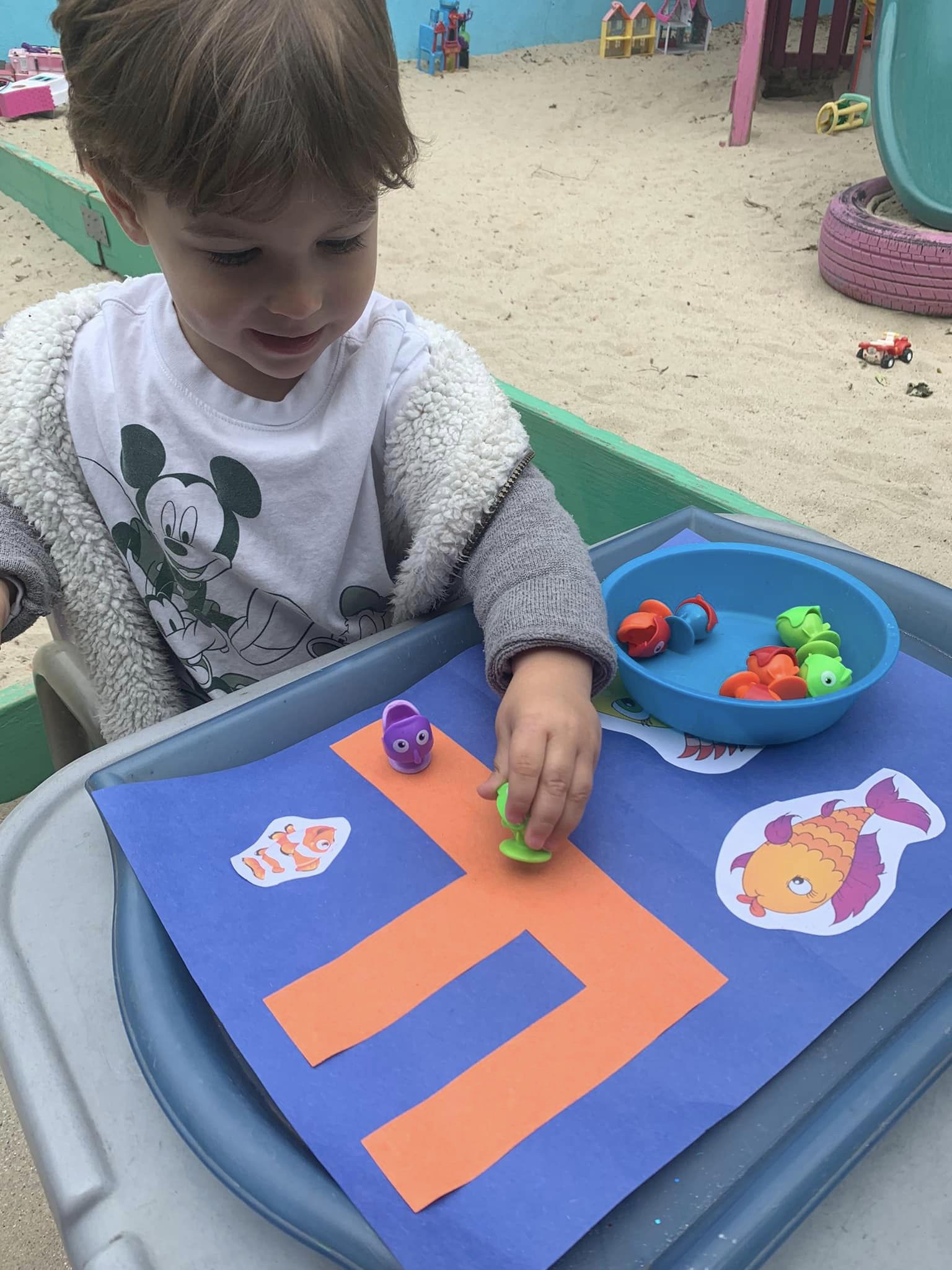
Using a few materials students of all ages learned how to write the letter F!

They were each provided with toy fish and a cut-out of the letter F.

Finally, they were directed to place each fish onto the letter!