Oil Spill

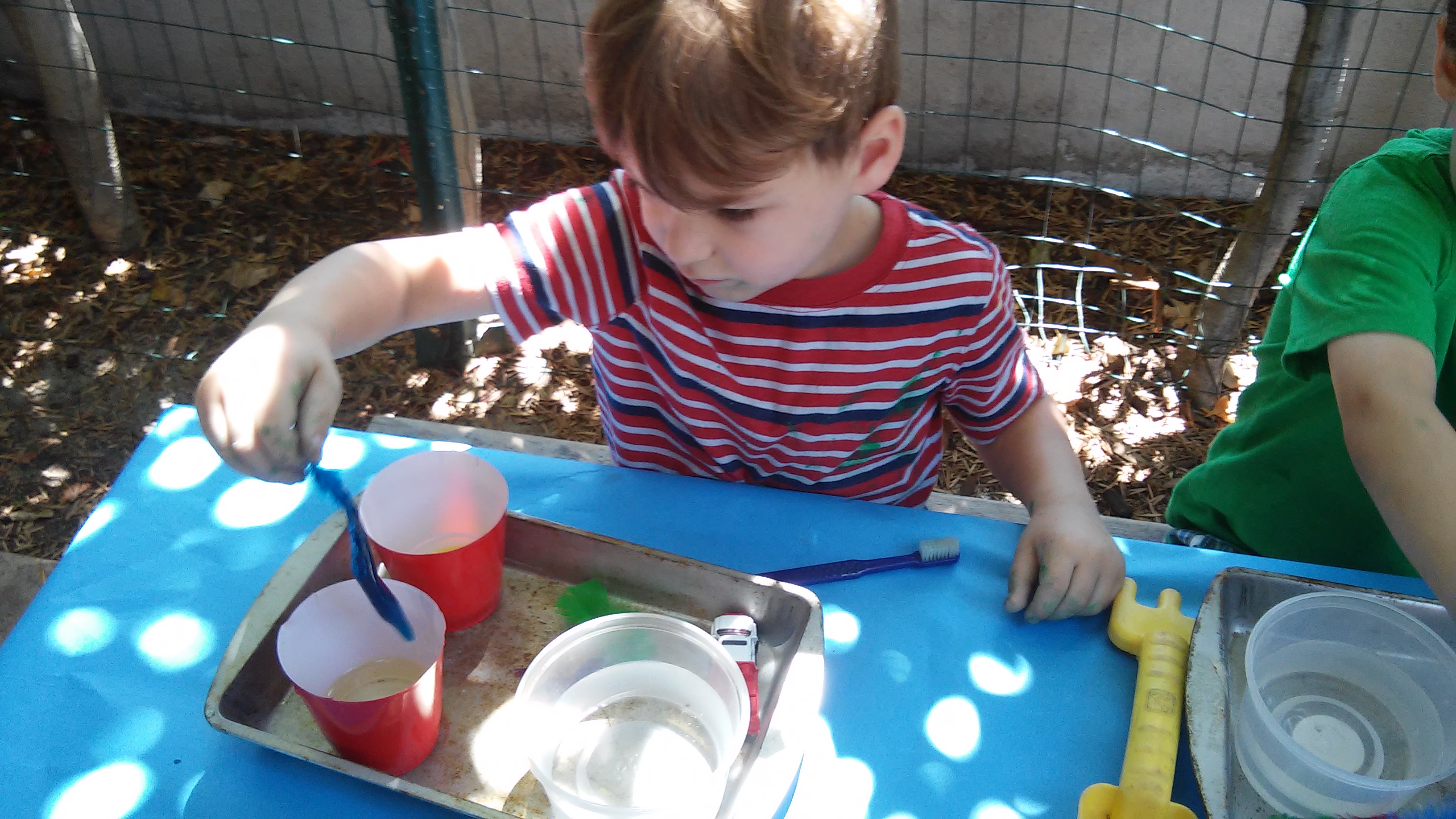
Young children have probably heard about oil spills, but they may not understand how they affect our environment. This oil spill activity exposed your young activists to  the importance of protecting our natural resources from harmful events like oil spills. Using dish soap, feathers and oil, we learned about how oil affects the birds most vulnerable to oil spills. In addition to promoting an awareness of environmental issues, this activity also served as an opportunity to experiment with complicated measurement concepts such as width, height, volume and density.

20140711_11212420140711_11210320140711_111945


Earth Fishing Game

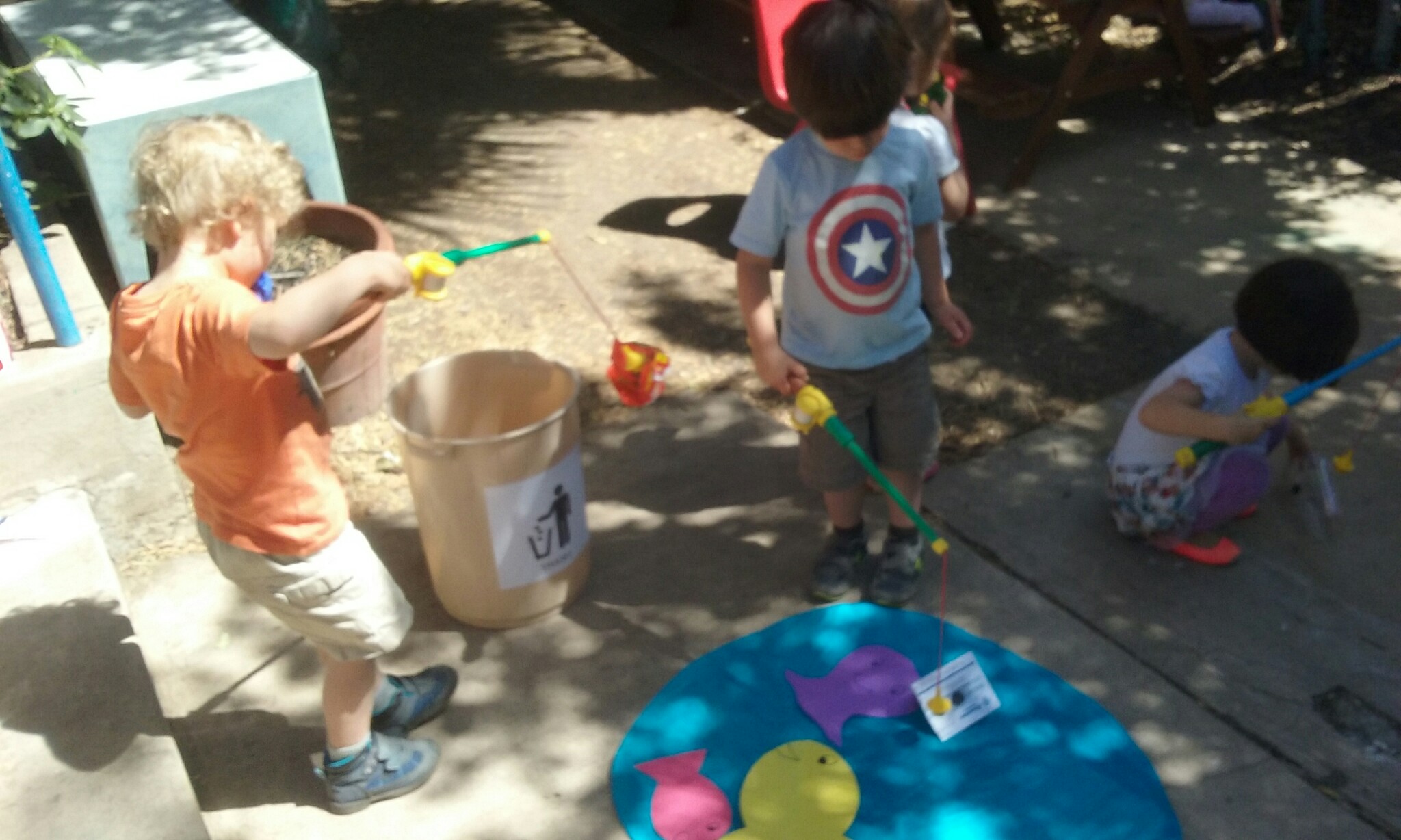
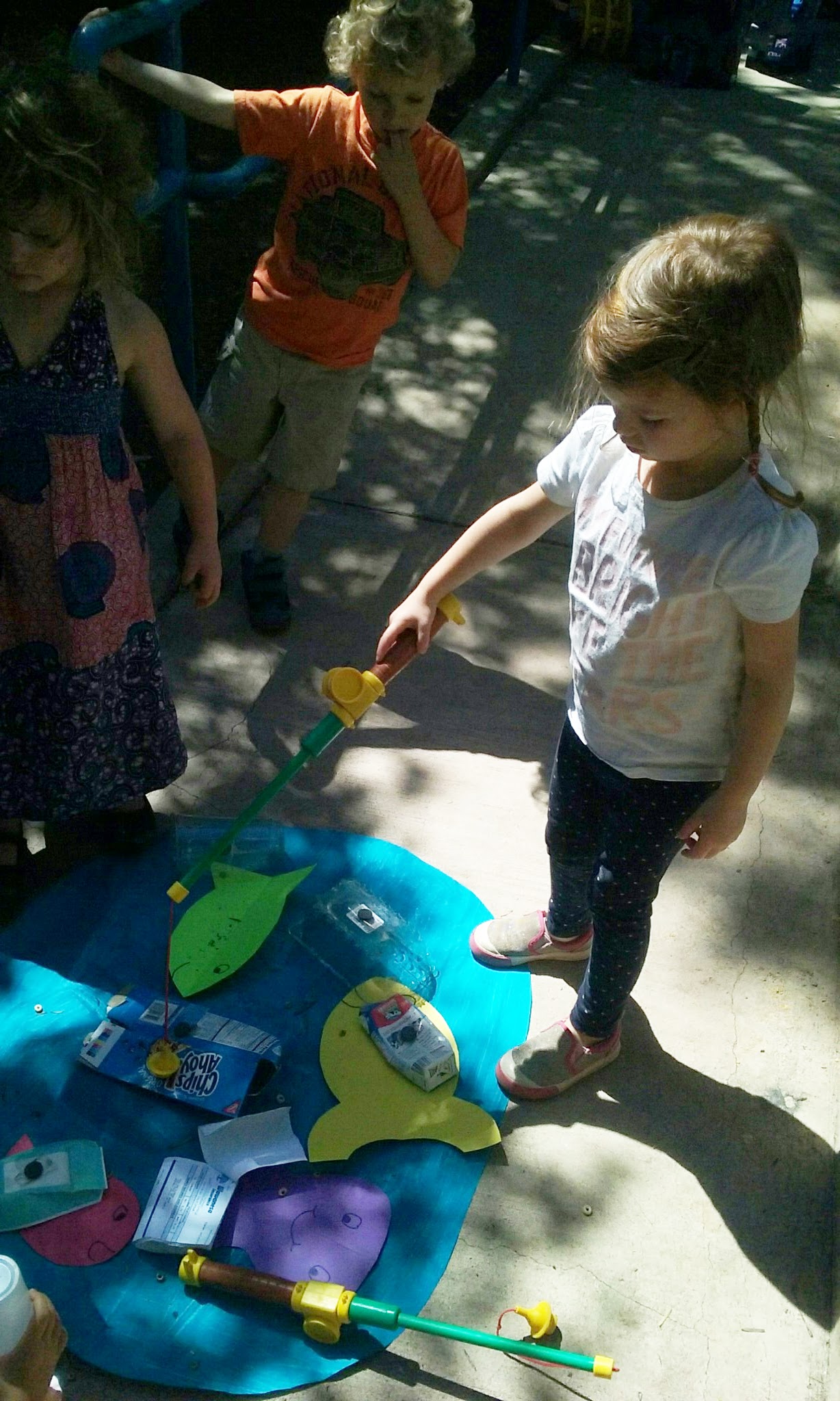
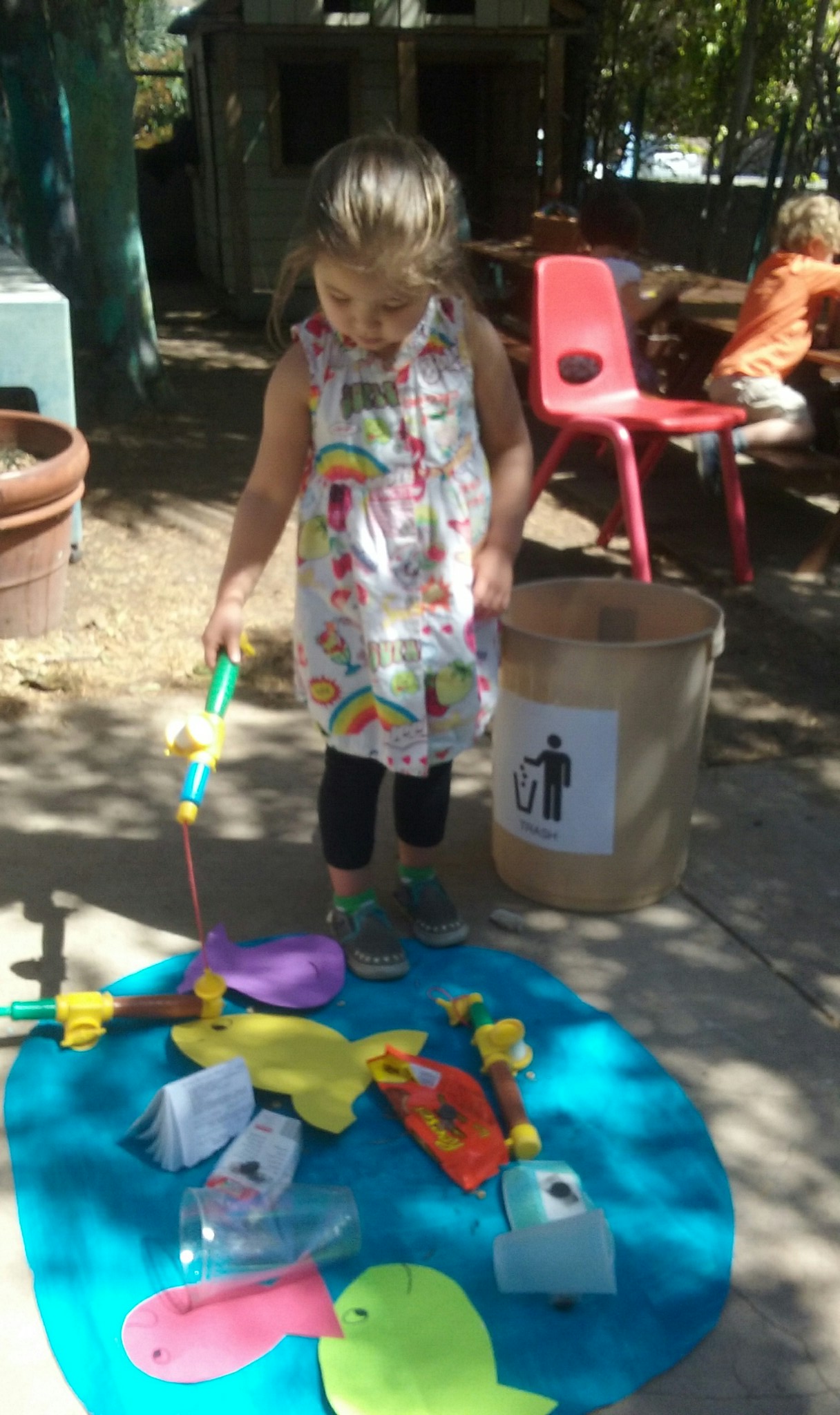
To extend the idea of taking care of the Earth into our environmental theme, your little ones participated in an activity called the Earth Day fishing game.

fish1

To prepare the game, magnets were added to fish and to different pieces of trash.

fish7

Trash was also stapled to the back of each fish.

fish8

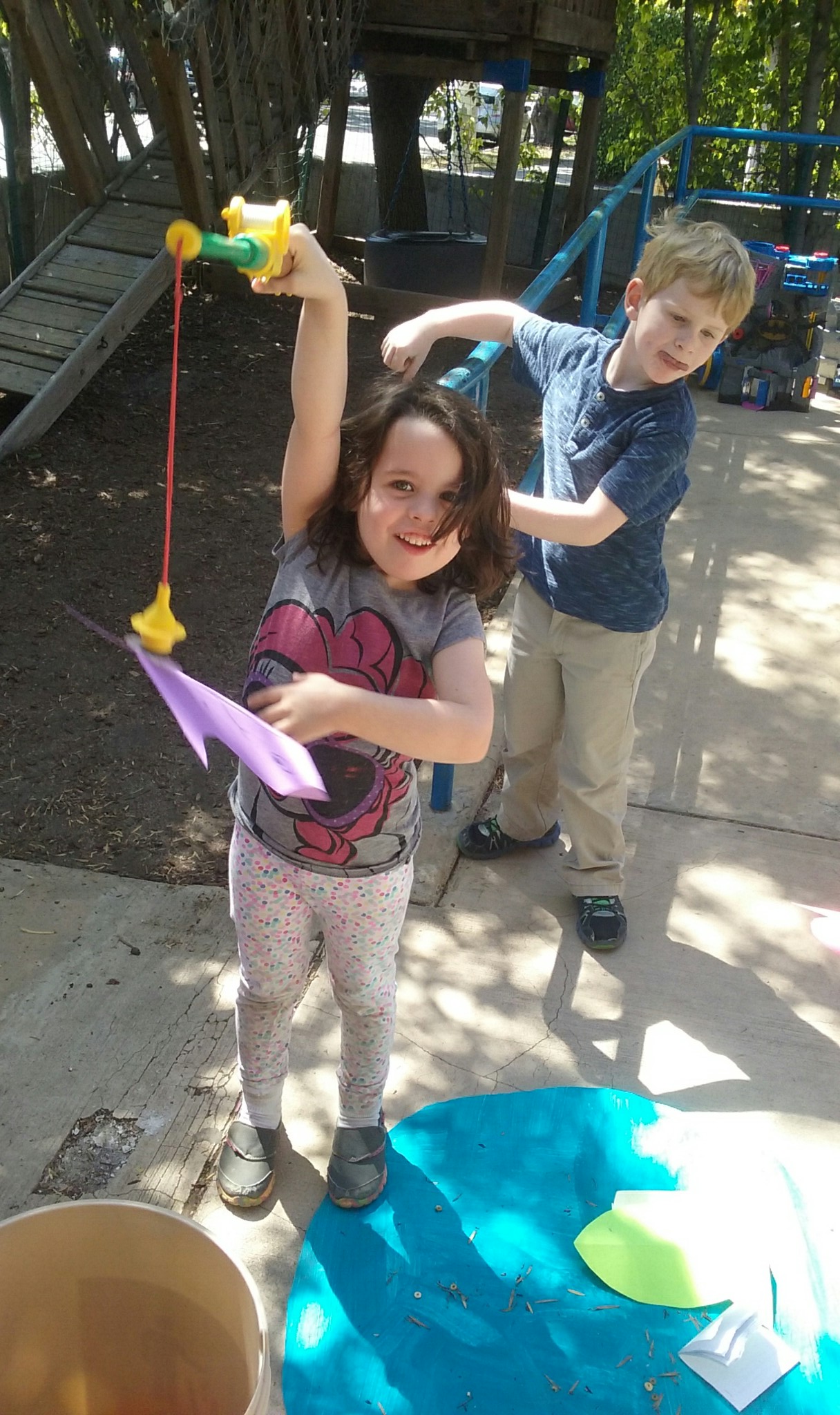
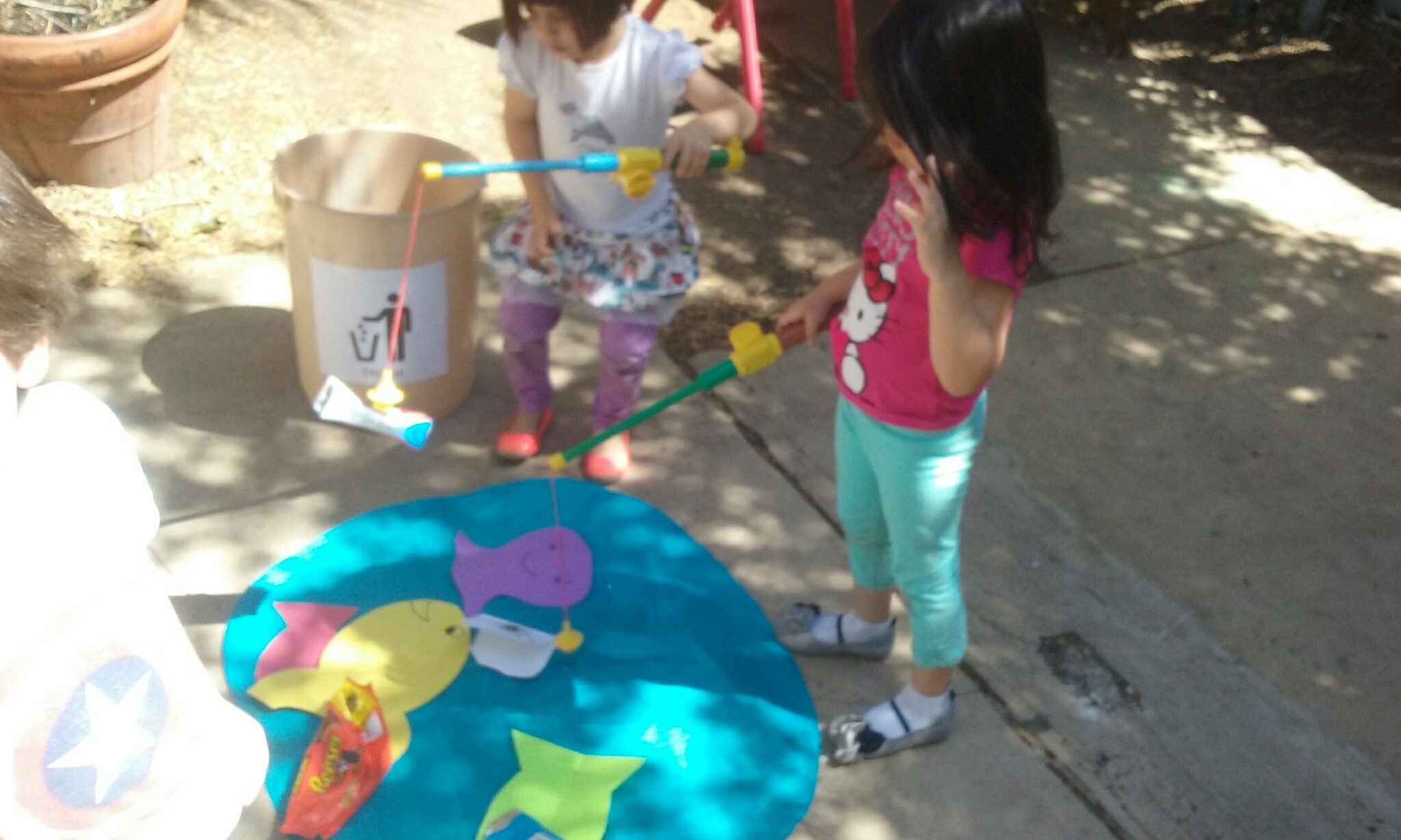
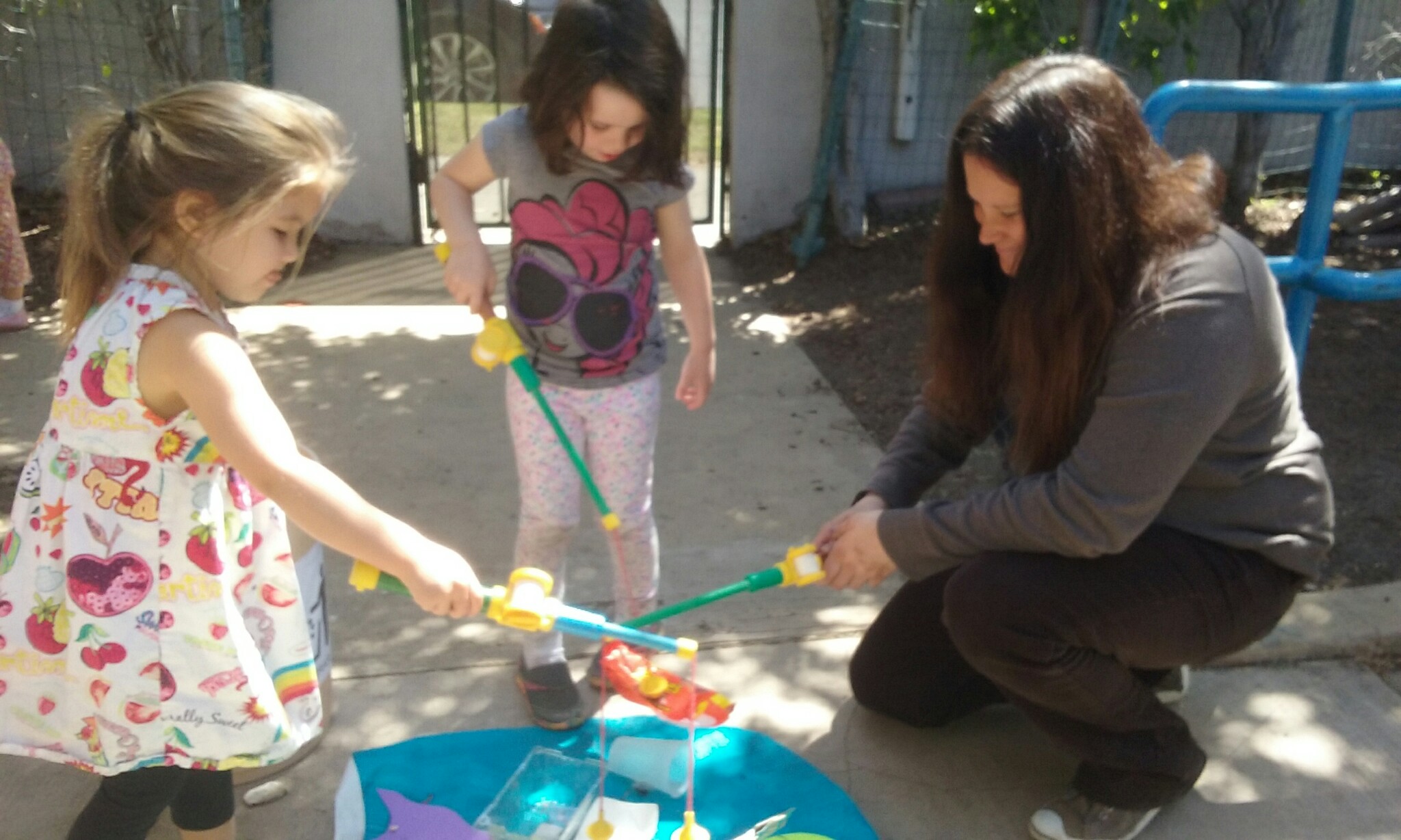
Our fishing poles had a magnet wrapped up in the end of the string to pick up the magnetic trash and fish out of the pond.

fish2

Your maturing pollution experts were told that if they looked closely into the pond, they would see that someone had thrown things that don’t belong into the water.

fish6

We talked about how some of those things were even getting stuck on the fish and we needed to rescue them.

fish3

The children spent the morning catching tin cans, plastic bottles, toilet paper rolls, and even fish. But sadly, each of our fish had trash stuck to the backside of their body.

fish4

As each child caught a fish, we flipped it over to see what was on the bottom of the fish and asked questions like – “Is this good for our fish?” or “Does this belong in the pond?”

fish5

Ant Ecosystem

If you’ve ever examined an anthill and wondered what’s beneath the surface, creating your own ant habitat would be a fascinating learning experience. Introducing the ins and outs of these complicated castles offers your entomologist a first-rate view of ants building intricate tunnels and paths, then scurrying through like they’re on a mission. To begin this activity, your little one was encouraged to close his eyes and visualise what his home looked like. How many windows does it have? What color is it? What features does it have? etc. On a small piece of paper each student drew the home that they just visualised. It was emphasised that people in cities need habitats and each other to survive. This is similar to what happens between animals, plants and their habitats in natural areas. We then talked about what ecosystems are, and why they are important. Preschoolers love to be outdoors. These outdoor connections can actually advance a child’s skill sets. Research has shown that nature based activities instantaneously enhance skills in a range of widespread areas.

20140731_10420820140731_10343020140731_104738


Rain and Ocean Pollution

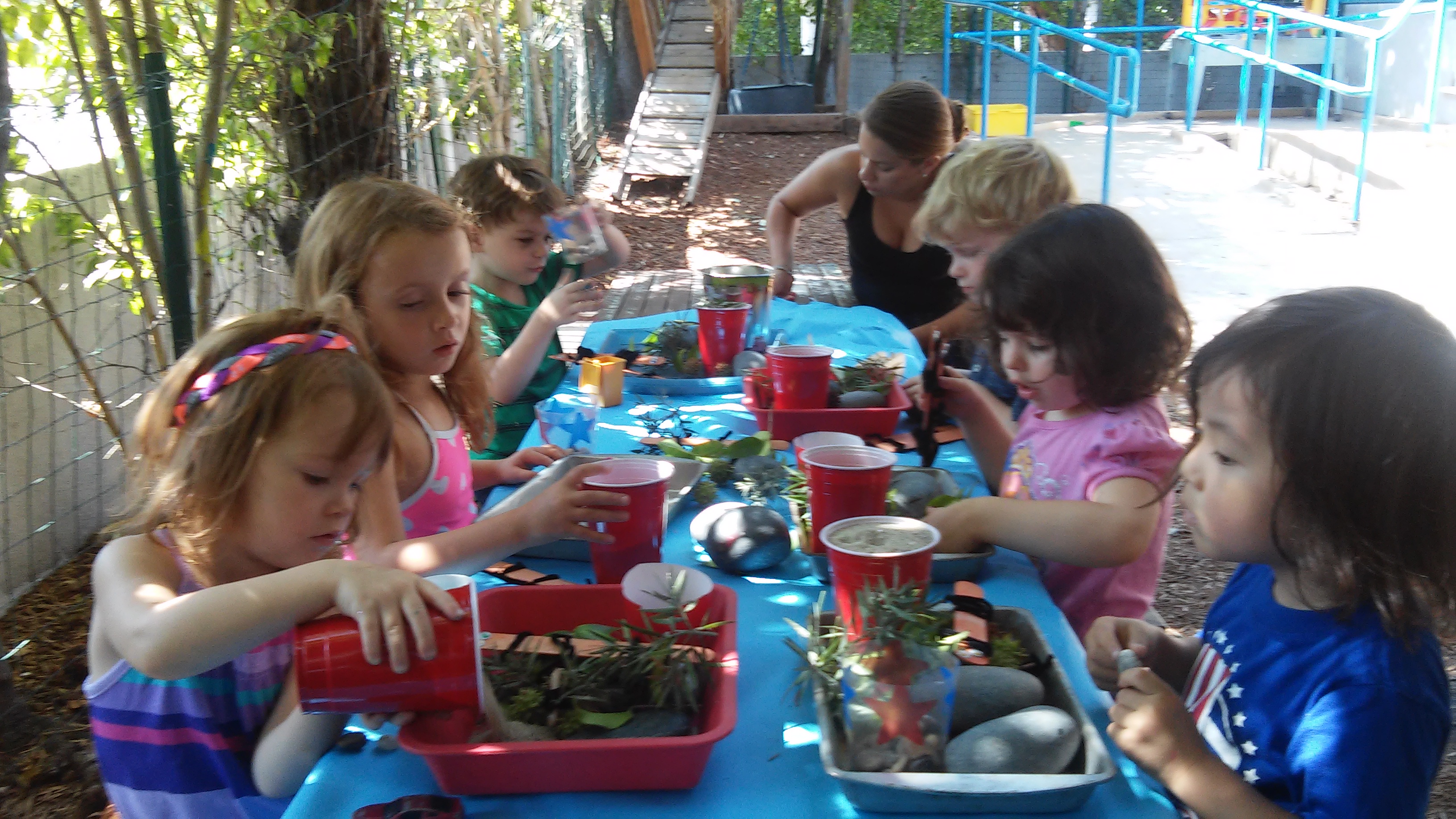
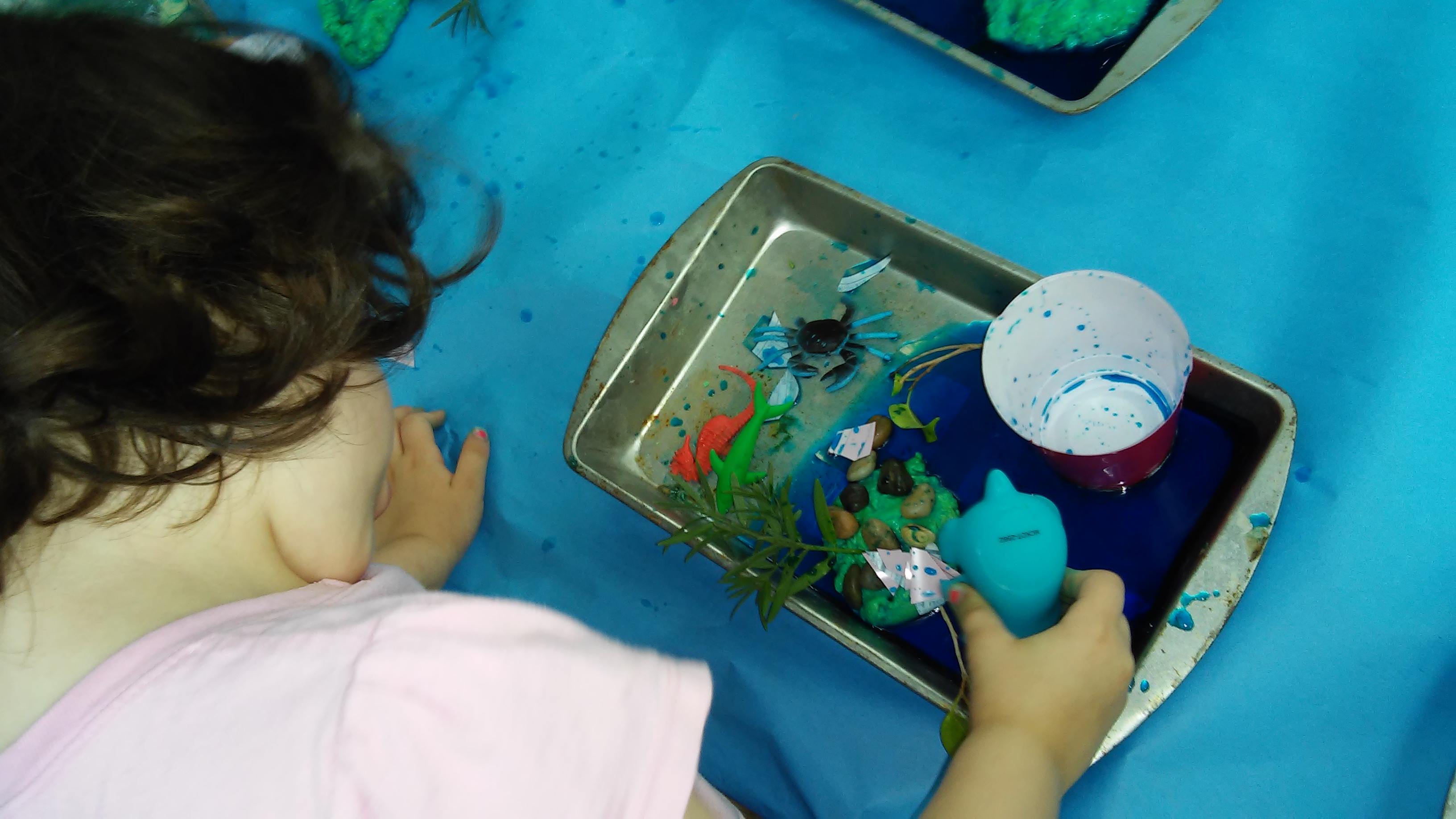
Teaching scientific concepts to young children poses unique challenges, so in our classroom we use simple vocabulary and fun projects to keep them captivated! Water rotation and its affects on ocean pollution is an ideal introduction to this component of our Environmental Awareness theme, so we talked about where rain comes from and where it goes! With Playdoh, sticks, salt shakers, and blue water, we practiced making it rain on our “land” and then watched as it returned to the “ocean”. We then added trash to our land masses, and observed what happens was the rain pours down on top of it. We talked about how the rain and trash wash into our sewers, and eventually out to the ocean. Hands-on activities such as these reinforce complicated concepts and allow your preschoolers to grasp how rain works!

20140714_10352120140714_10364820140714_103957

Clouds and the Water Cycle

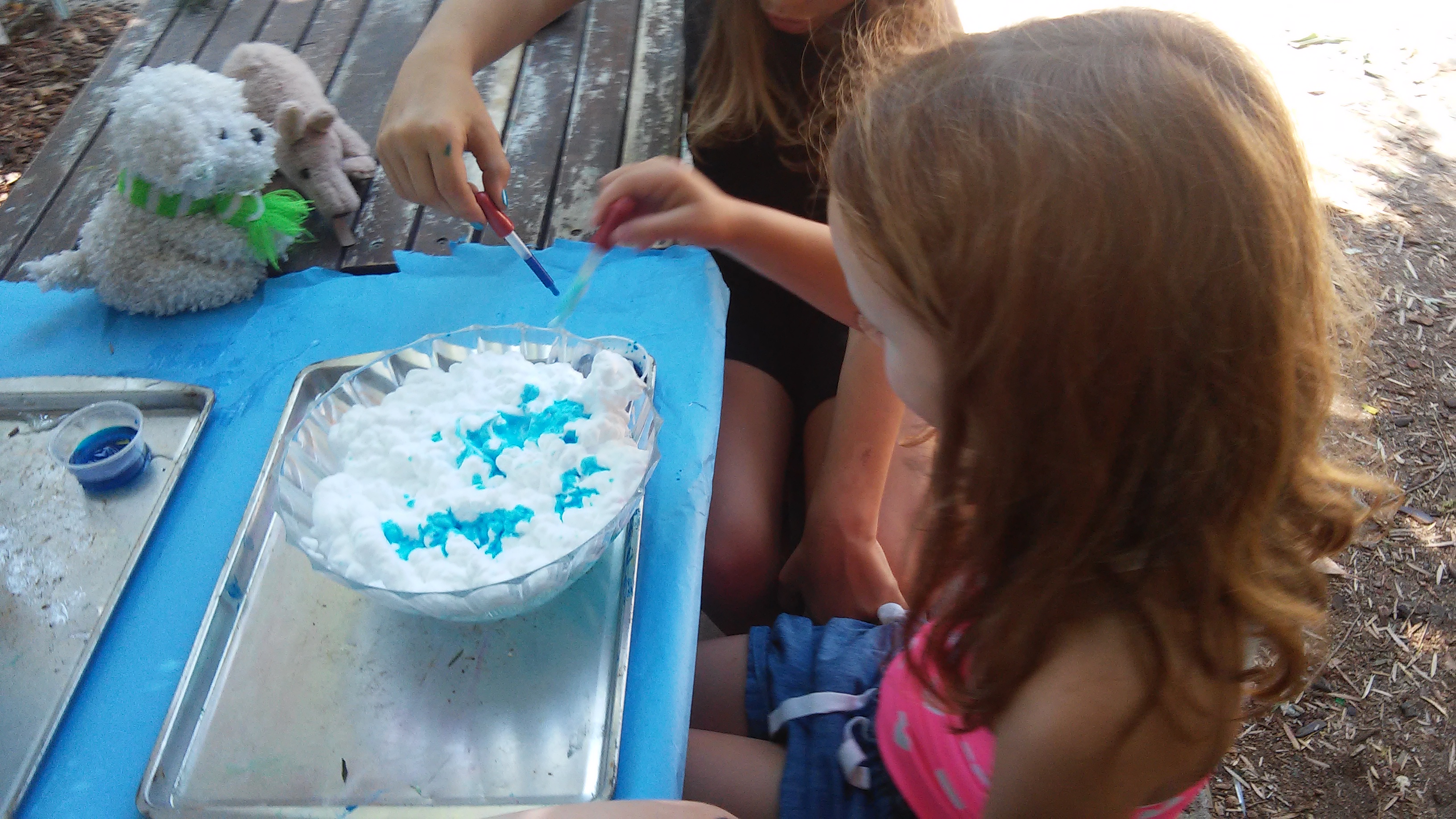
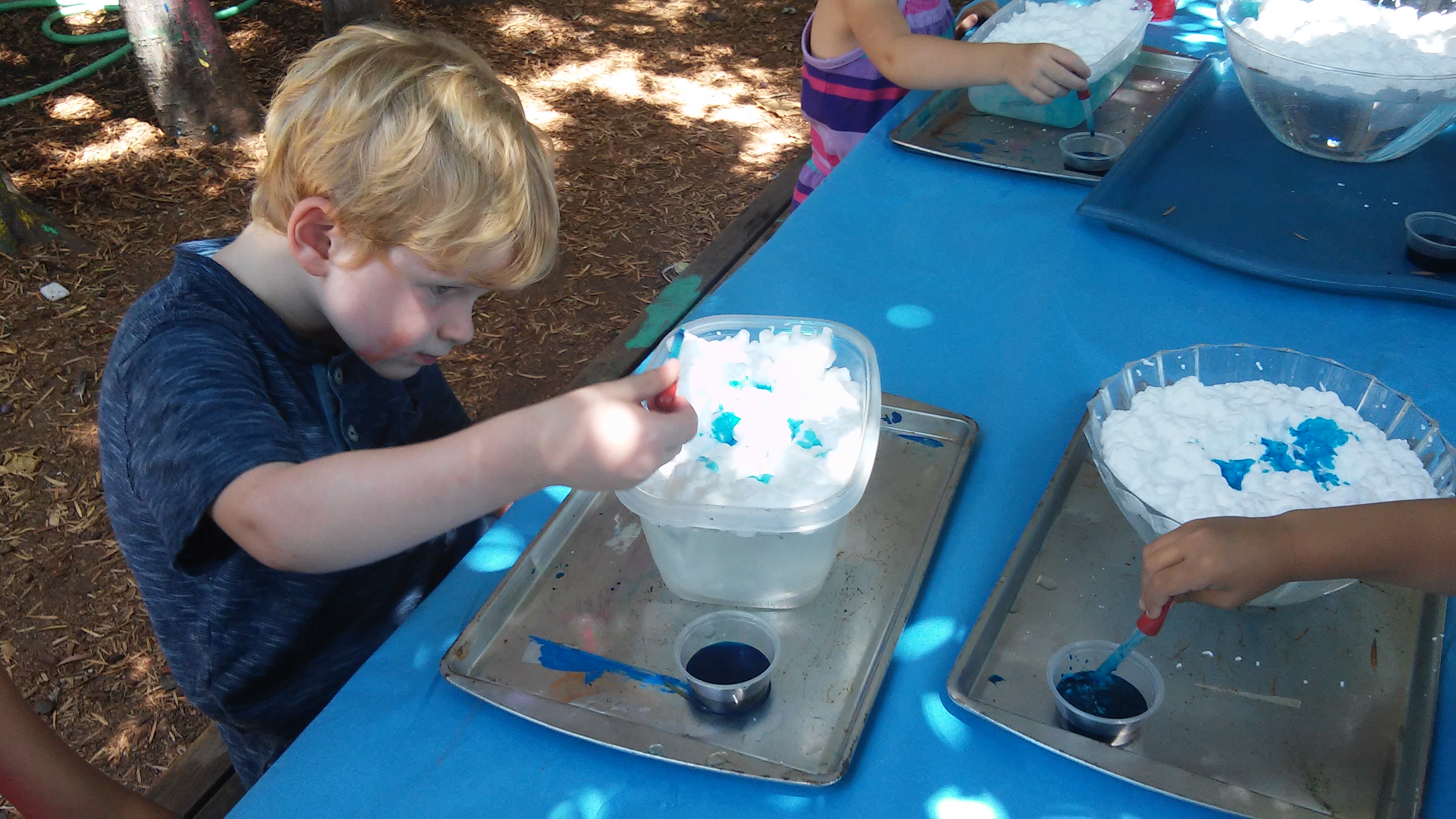
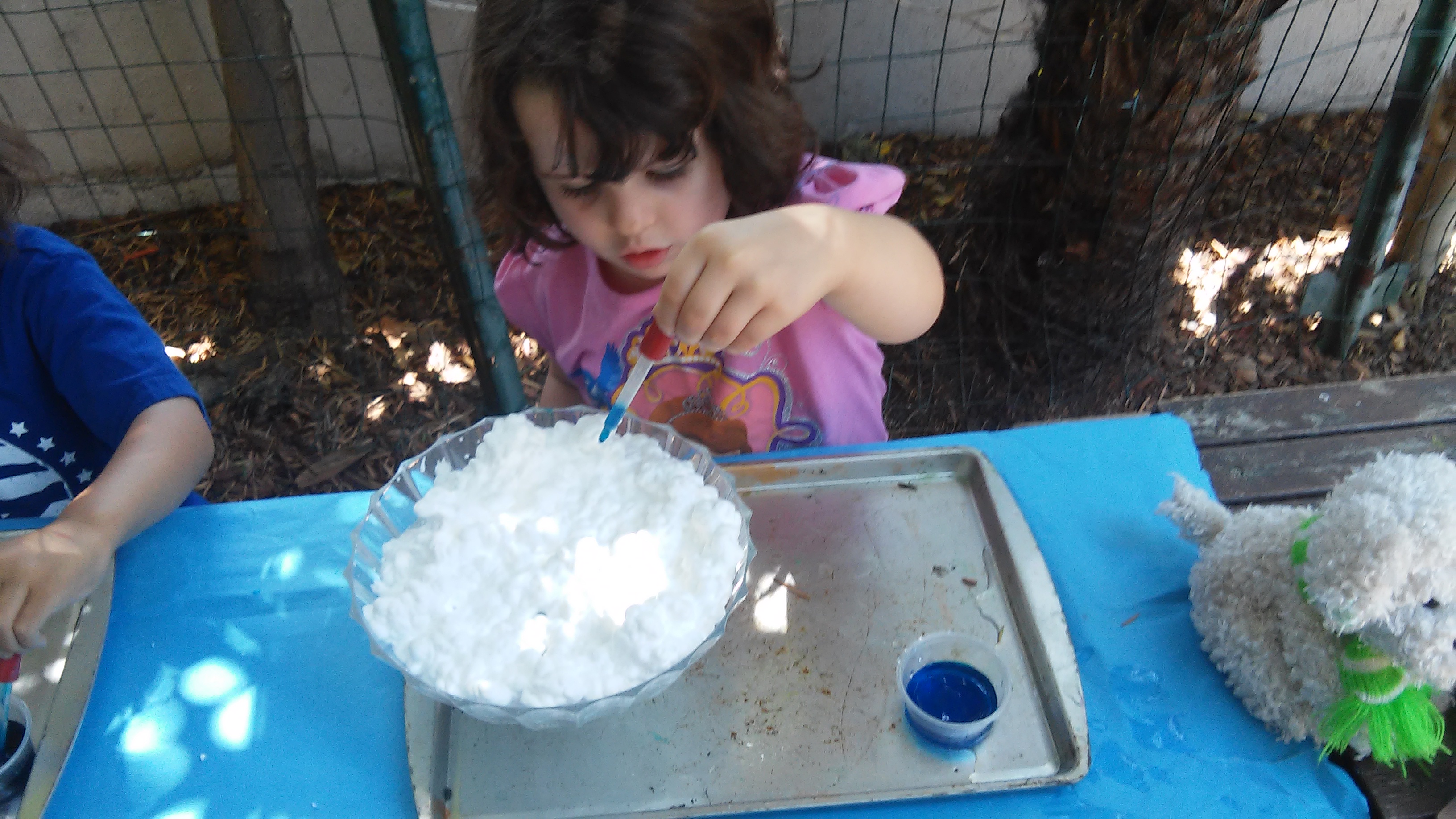
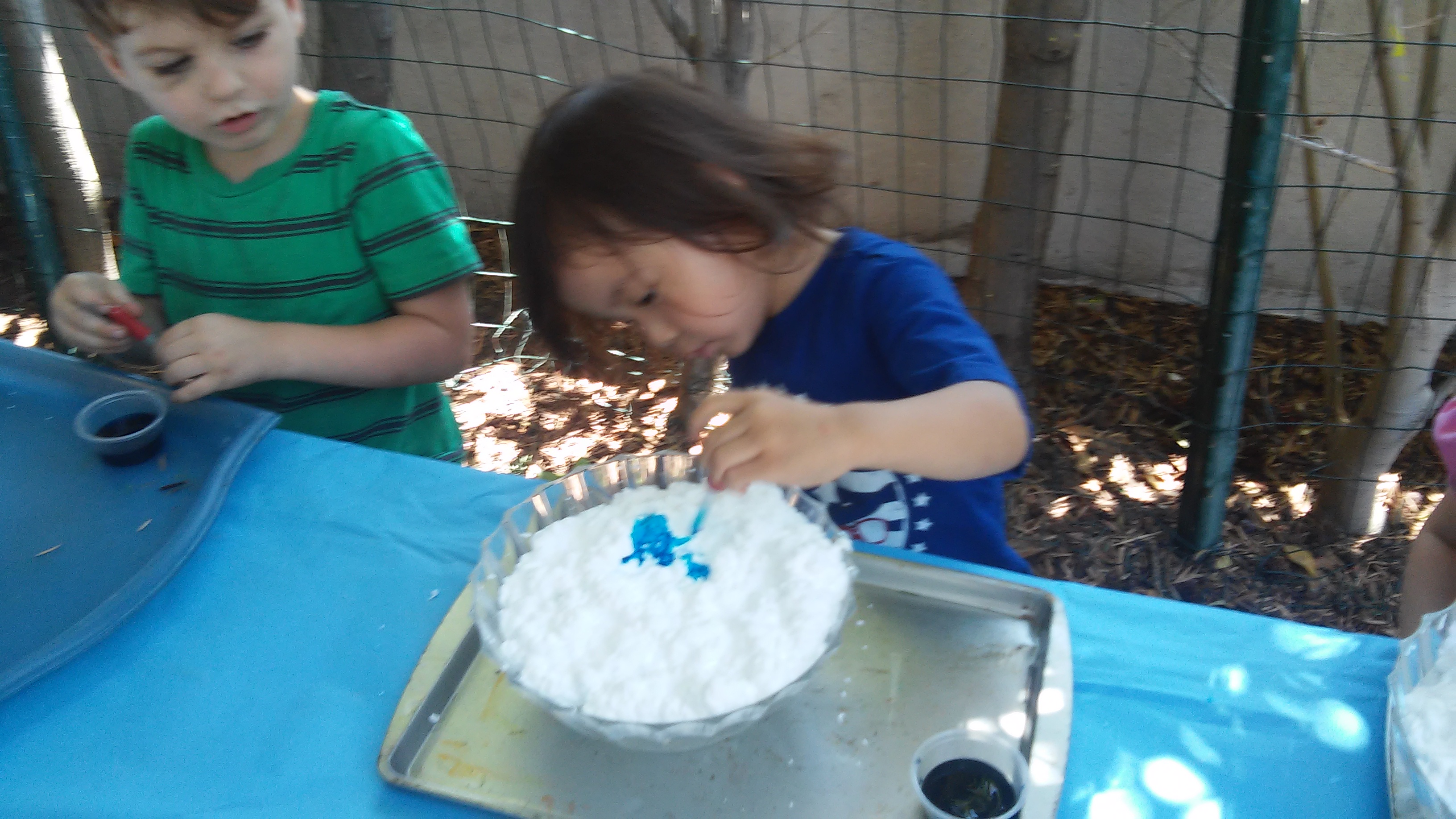
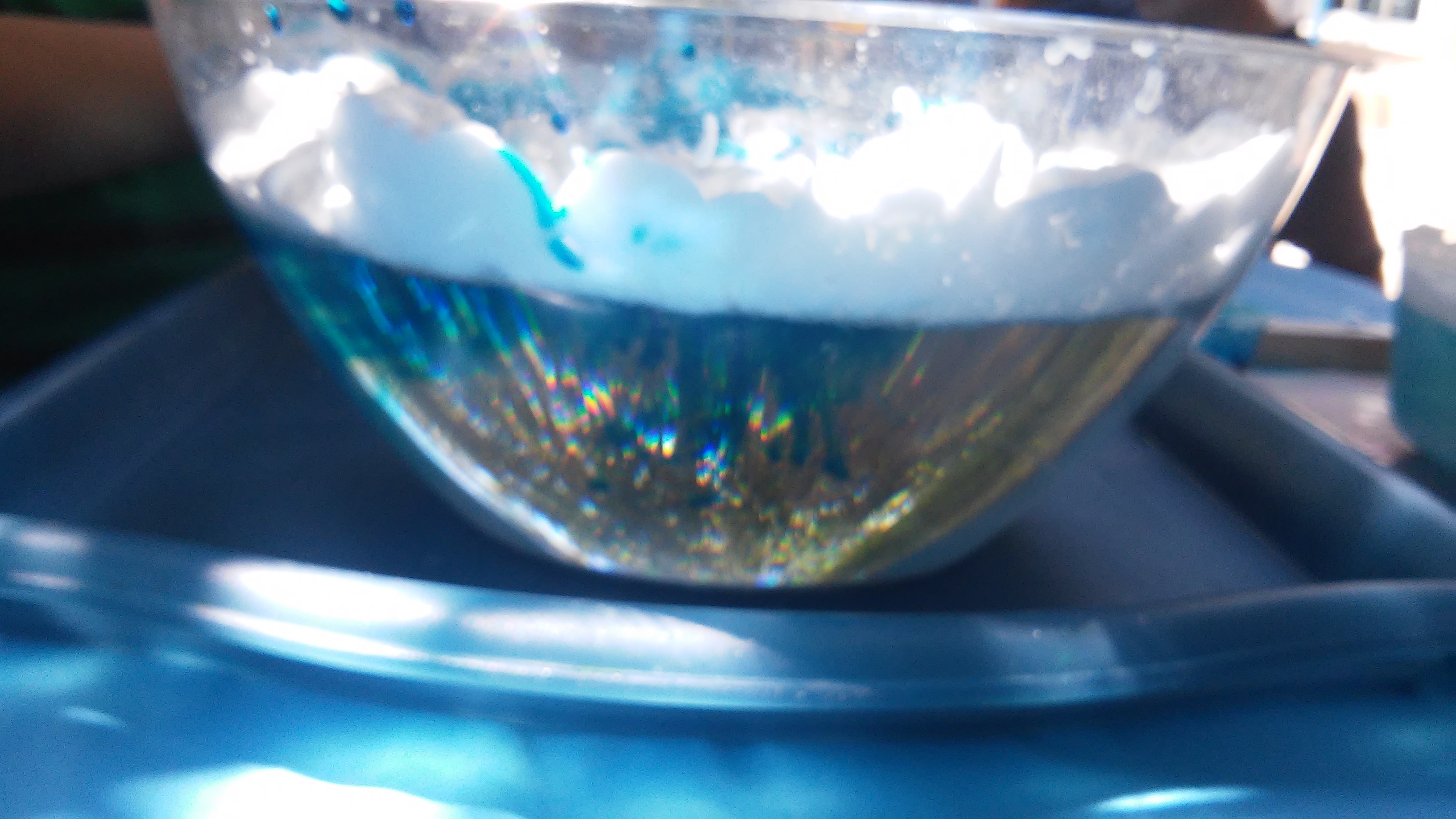
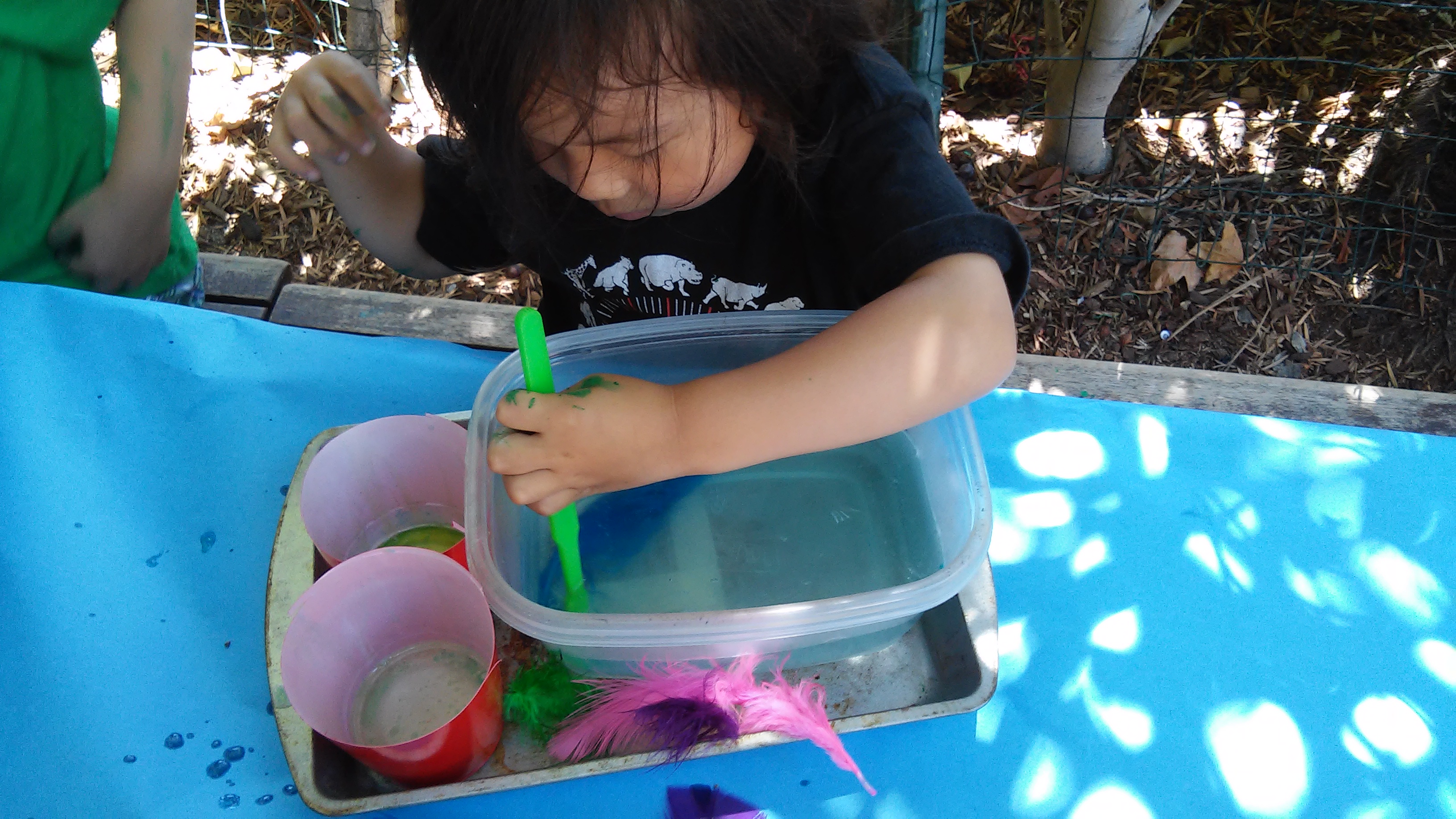
Have you ever wondered how clouds form? We all learn the water cycle in school – water falls from the clouds in the form of rain or snow and collects on the ground. The water on the ground heats up and turns to vapor and the vapor travels up into the atmosphere and creates clouds. When a rain cloud gets so full of water or mass, the water has to go somewhere and will break through the cloud and start to fall to the ground. To demonstrate this phenomenon on a preschool level, your child created a shaving cream cloud! As they poured or dripped the water over the shaving cream cloud, the blue water started to break through the foamy mass. Doing so enable your budding meteorologist to observe their cloud as it gained mass and altered its composition.

20140731_11231420140731_11233920140731_11230620140731_11230320140731_112617


An Abundance of Antonyms

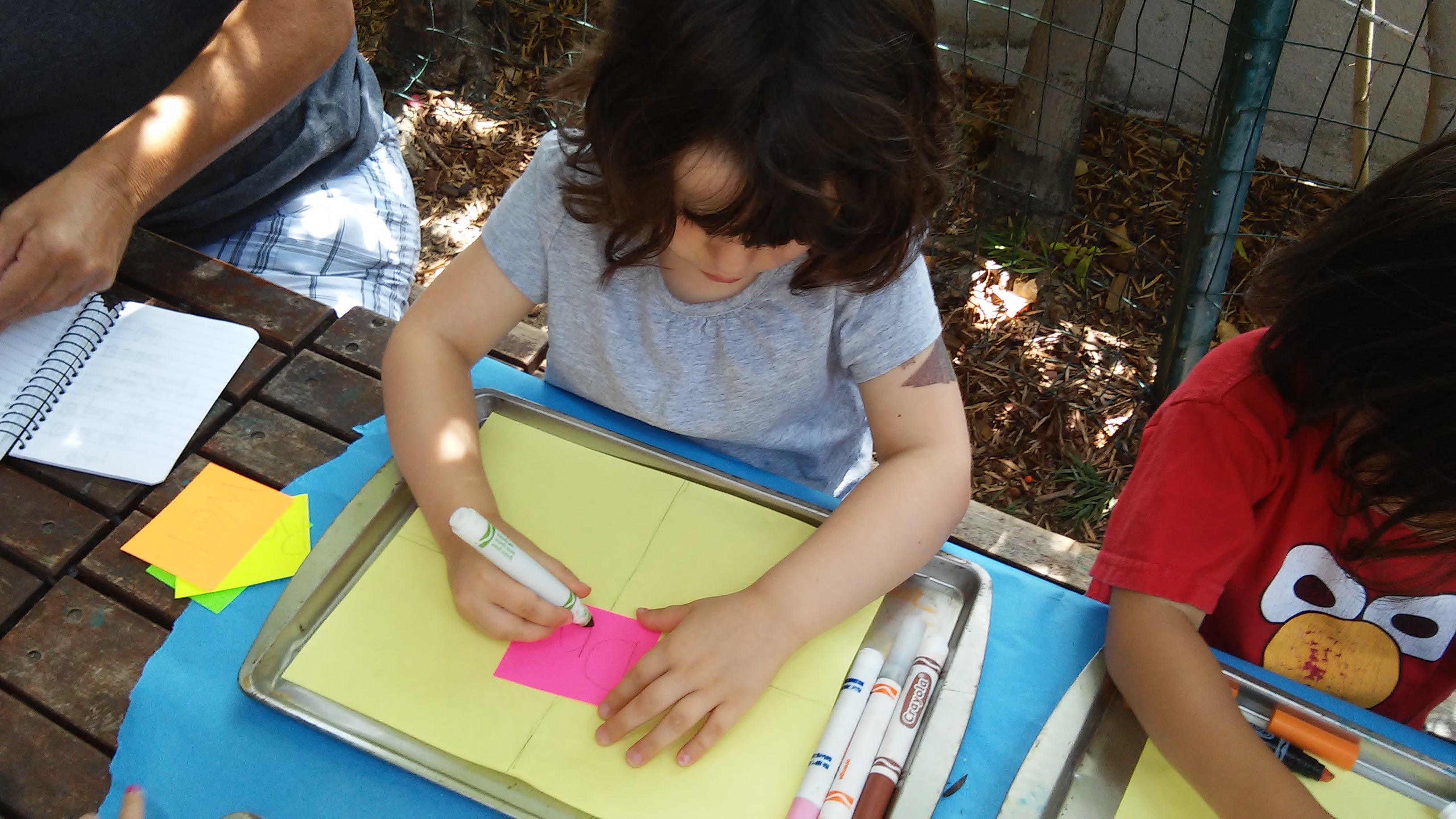
Children first attempt writing by scribbling marks. Around age four or so, they begin to distinguish writing from drawing. But the role of letters as the “true” meaning-markers in writing can still confuse children up to six years of age. In fact, one of the hardest things young children do as emerging readers and writers is learn how to turn marks into real words. Learning to write is hard because it requires children to use several physical and mental processes at once. Their tiny hands have to grasp and control a writing tool. Their active minds must focus attention on making marks that express ideas. But hardest of all, they must follow certain rules to make the marks readable later on and understandable to others. For all of these reasons, we incorporate writing into our daily routine with a variety of different activities, that not only aim to foster their fine motor skills, but add to their understanding of how words work. For this activity, your little one went on a hunt for different items around the front yard. They selected four different elements and placed them onto a tray to observe with a magnifying glass. Each of these four components was selected because of their contrasting qualities. One was hard, one was soft, one was wet, and one was dry. Your little one was then directed to trace the words with marker, and divide their paper into four different sections. As a result, your little one further strengthened their ability to handle a writing utensil as they investigated the patterns between different words.

20140717_10585520140717_105911


Plastic Cup Towers

Children love to build. It’s something to do with the challenge, the skill and probably the knocking down, that makes it such an appealing activity for kids. As stated earlier, when your child plays with blocks, building replicas of the world around her, she is like a little scientist, experimenting with balance, structure, space, and even gravity! Have you ever watched your child attempt to build a simple tower, only to have it fall down at a particular height? Perhaps you have noticed that she tried different ways of placing the blocks until finally she created a tower that stayed up! Amazingly, what she is doing is using the scientific method of experimentation, observation, and cause-and-effect to solve the problem of the tumbling tower.

20140618_10445520140618_105303


Pool Noodle Sculptures

Using toothpicks, and pool noodles, your little architects constructed their very own structures! Playing with a variety of building materials is critical for the development spatial thinking, or envisioning where different items go in relation to each other as they build. Deciding whether their pool noodle goes over or under another pool noodle, or whether it is aligned or perpendicular to it, are just the kinds of skills that support later learning in science, technology, engineering and math.

20140619_105746 (1)20140619_105658

Toilet Paper Roll Tinker Toy

For this activity, we used toilet paper rolls, pipe cleaners, and straws to create our very own structures. Given the many shapes that these building materials come in, they were the perfect tool for hands-on learning about basic math concepts: shape, size, area, geometry, measurement, and equivalencies. While playing with the toilet paper rolls, your child naturally began to sort them by a particular attribute, such as shape and size. He may have noticed that short toilet paper rolls made much better bases than the longer ones, or that the straws need to be bent in order to fit inside the holes.  This exploration into the nature of shapes prepares your child for later geometric understanding.

20140707_105752


Beth Sholom Synagogue

Beth Sholom Synagogue in Elkins Park, Pennsylvania is considered by many critics to be Wright’s most expressive building. The structure is anchored to the ground by concrete walls that incorporate the foundation buttresses for the three steel tripod girders which support the steeply inclined walls, allowing the full upper floor freedom from internal supports. The woven walls of the sanctuary are composed of translucent layers of wire glass and plastic with air space between them for insulation. During the day, the interior is lit by natural light entering through the translucent walls overhead. At night, the entire building glows from interior artificial lighting. For this particular activity, we used popsicle sticks covered in foil (to simulate steel) and white clay to create our version of this magnificent structure. When playing with a diverse array of materials, children come across new experiences with each tower, structure, and building they create. At the preschool age, your child is learning to develop sophisticated use of language, stringing sentences together using larger vocabulary and in-depth thought processes. For this activity, your little one was encouraged to use adjectives such as “humongous” and “sturdy,” as opposed to simpler words like “big” and “strong.” Your budding architect was also asked open-ended questions about their structure, which inspired them to have new ideas, as well as nurture confidence in creativity.

20140707_154719 (1)20140609_103209 (1)