Sea Creature Hopscotch

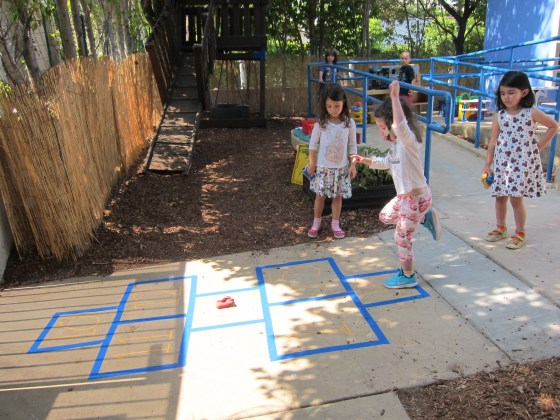
Gross motor control refers to the large muscles of the body. The development of these skills are important for school readiness.
IMG_2272

Children acquire gross motor skills by practicing a new movement until they have it mastered, and then moving on to a new one.
IMG_2275

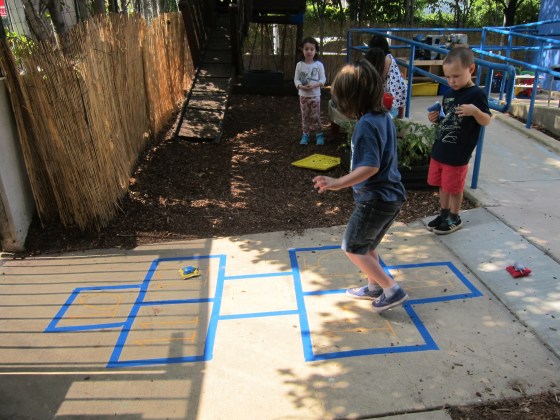
For this activity, we practiced the gross motor skill of throwing and spatial orientation.

IMG_2284

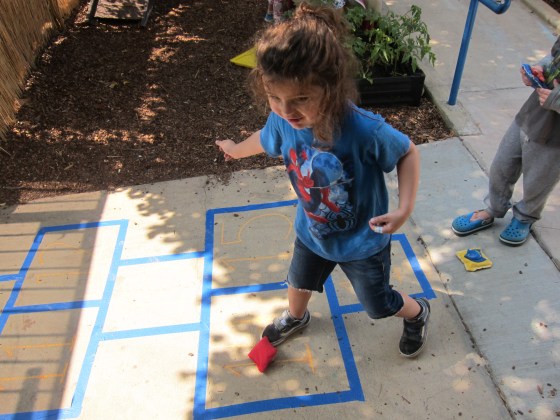
Using colored beanbags with pictures of sea creatures on them, we tossed them onto a hopscotch grid, and then hopped to the number it landed on.
IMG_2283

Because we are always integrating our domains into one another, we also included a math component to this activity.

IMG_2279

Your little ones were learning about numbers 10-16 throughout the month of our Under the Sea theme, so we used some of those numbers on our grid!

IMG_2277

As their beanbag landed on the correct number, students were encouraged to shout out the number before they hopped to it.

IMG_2264

Sea Creature Garland

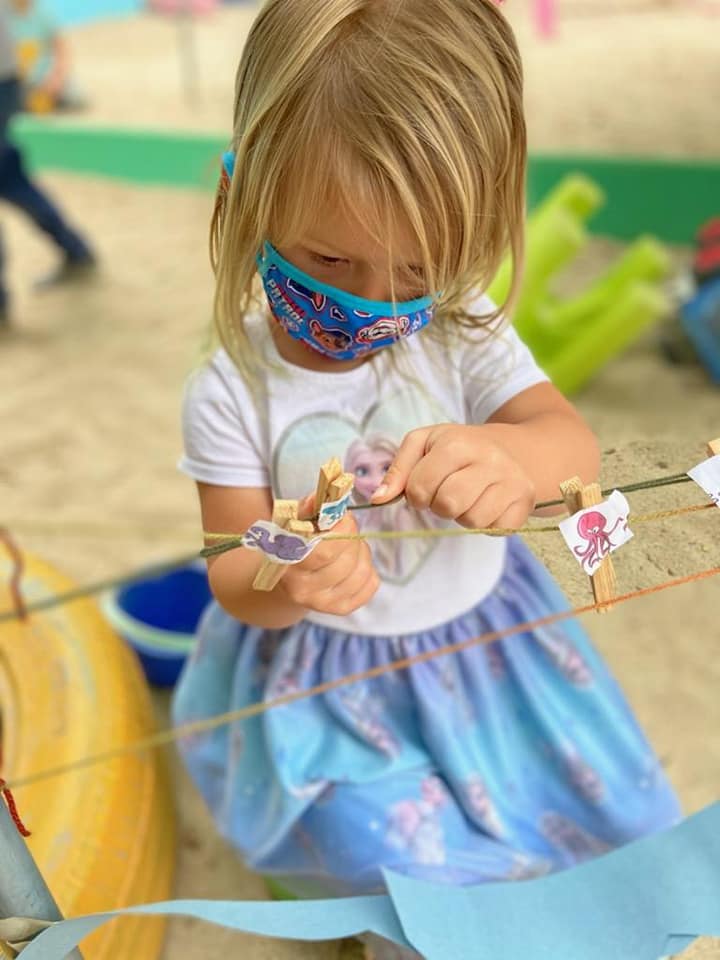
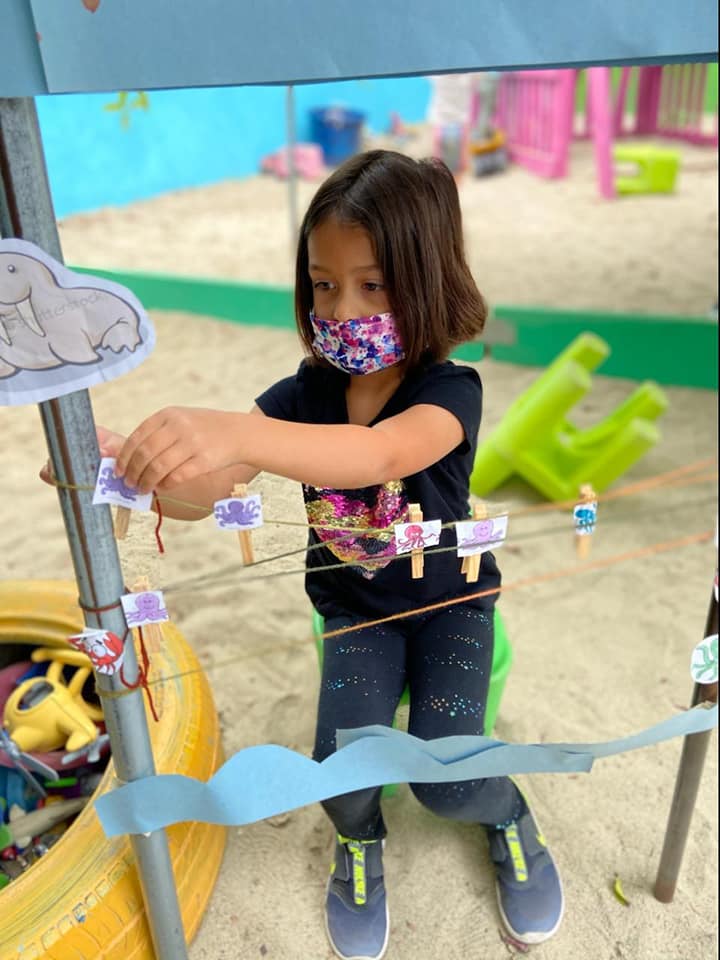
Using yarn and clothespins (with pictures of sea creatures on them), we created our very own ocean garland!

This was a collaborative group project, and your little one enjoyed making our front yard a little more festive by attaching clothespins onto blue yarn that represented the ocean! This activity incorporated several developmental domains.

When attaching the clothespins to the yarn, your little one was practicing fine motor control and hand eye coordination.

IMG_2238Simple hand-eye coordination techniques, such as weaving, beading, and manipulating small objects, are a great way to help your little one learn how to control their mind and their hands.

These skills are transferable to literacy, and when your little student is then exposed to holding a pencil, crayon or pair of scissors, the coordination will be in place.

F is for Fish

Literacy can be fostered in many different ways within the preschool curriculum. In our classroom, we read, write, draw, and sing about letters. Each week, your little one is introduced to one letter relating to the monthly theme.

IMG_2191

During the course of the week, students participate in a variety of activities surrounding that particular letter. For the week of the fish, we talked about the letter F.

IMG_2197

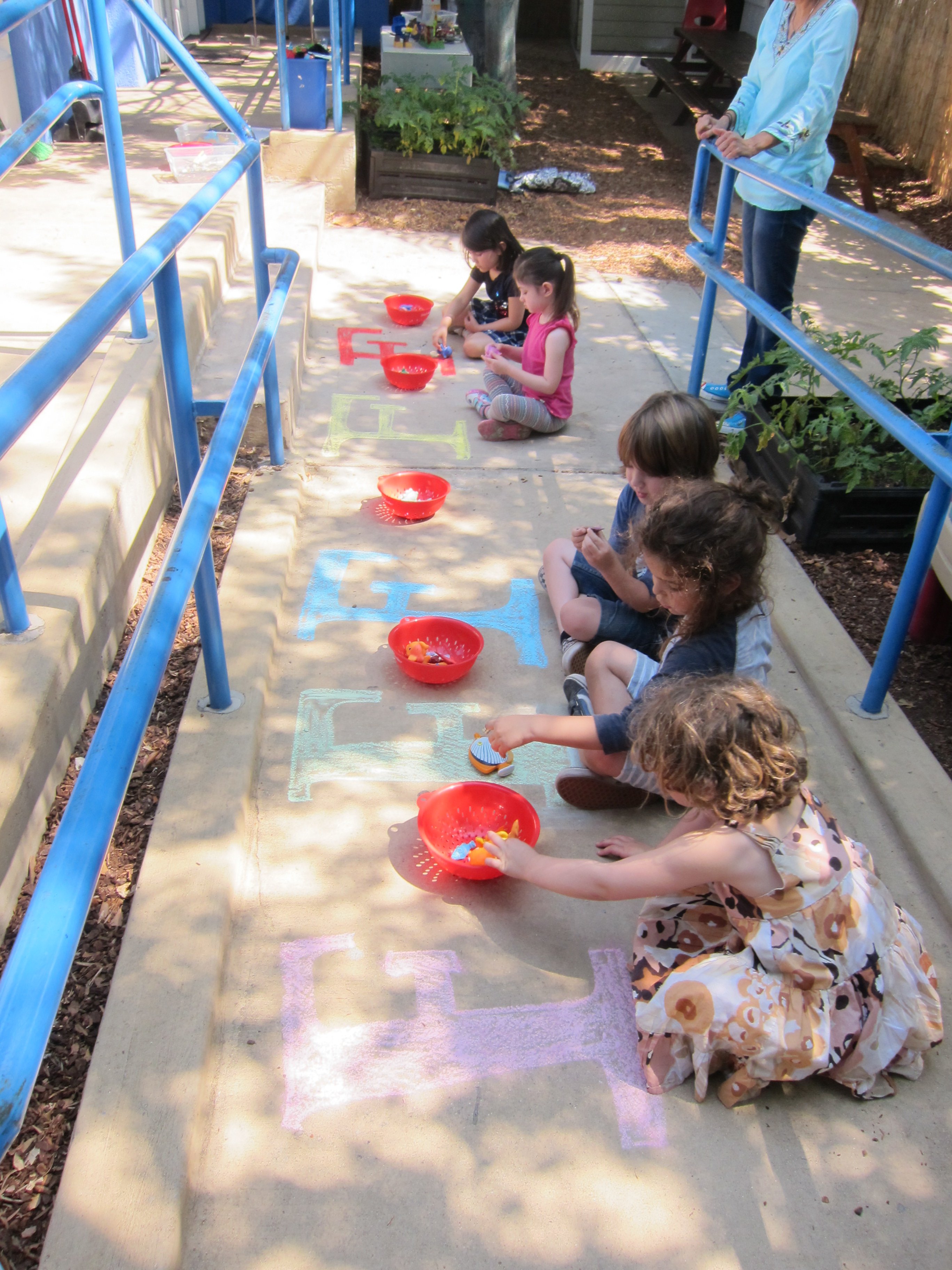
To encourage their understanding of this exciting letter, we wrote large Fs (with Miss Carrie’s help) on the sidewalk with chalk. Students then “filled” these letter Fs in with toy fish.

IMG_2200

Shark Habitats

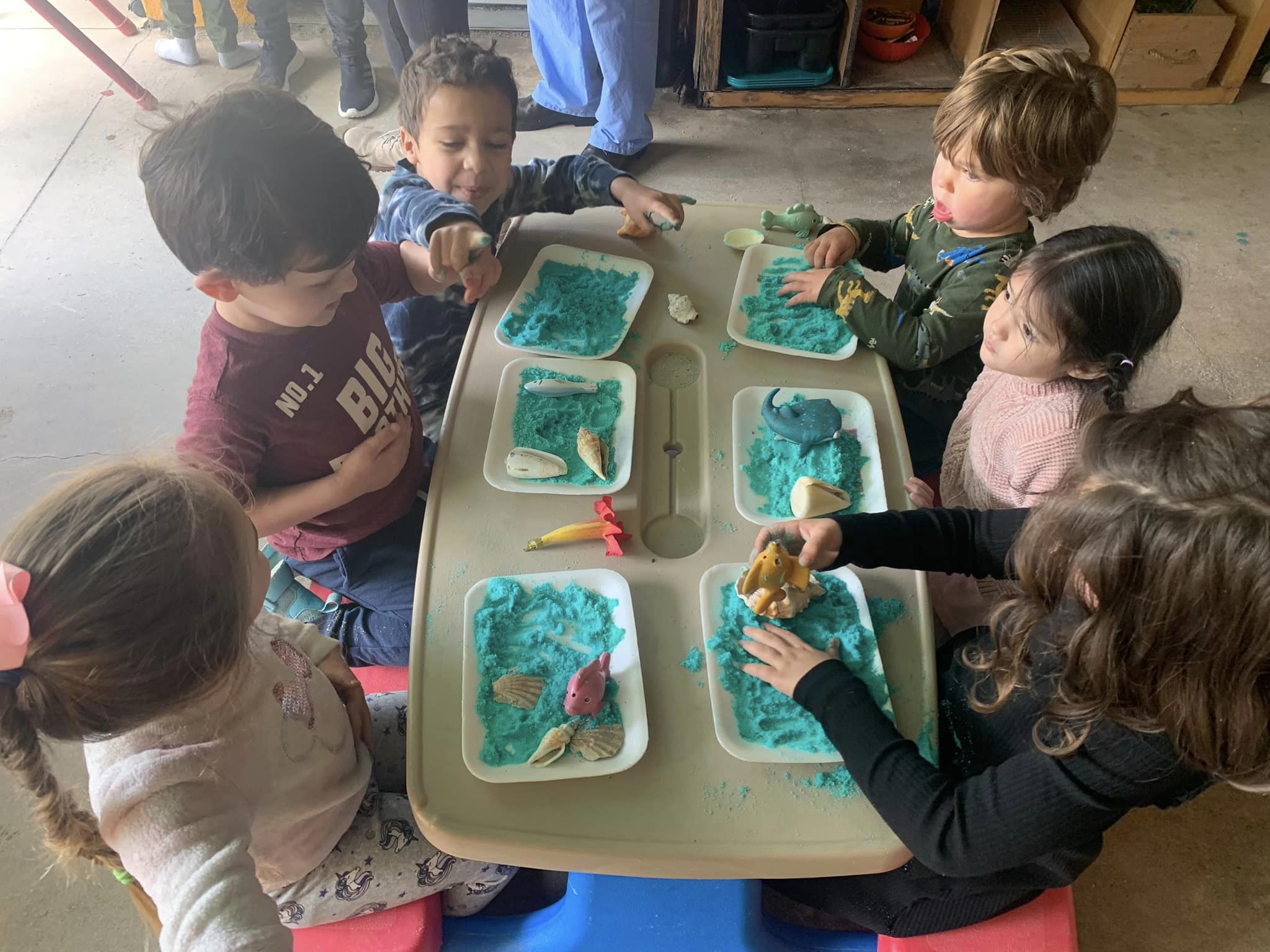
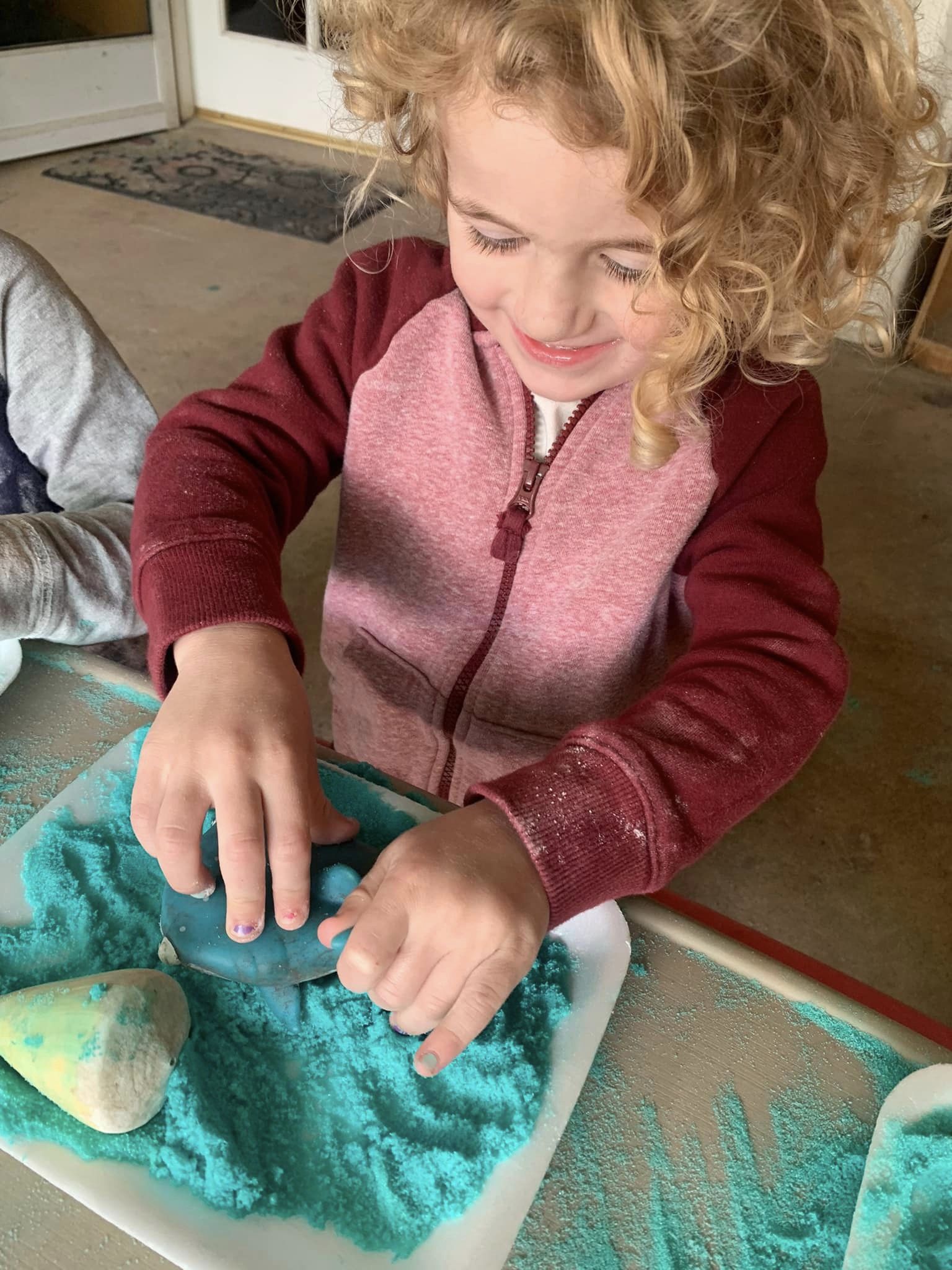
Using seashells, play dough, and toy sharks, we created an ocean habitat for one of our favorite sea creatures: the shark!

We began this activity with a discussion of the shark, where they live, what they eat, and how they survive within their slippery environments!

This kind of play involves all of the senses. It is called sensory play, and we use it in our classroom all of the time! Why do we love this kind of play? For many reasons! For one, sensory play allows children to form mental images about what they are seeing.

IMG_1612

Adults already do this naturally, but in young children, it is still developing.

Sensory play also involves the combining of different materials. These combinations are very important for the scientific exploration of cause and effect.

Sensory play can also foster language and cognitive reasoning, as students create various dialogues for the characters in their sensory environments. For example, your little ones discovered that predatory sharks could be hidden by creating “hiding spots” with rocks. They communicated this to one another, and had to manipulate the rocks to hold their sharks down, as many of them floated and were unable to sink.

IMG_1604

Lastly, are the prosocial interactions that are fostered as a result of sensory play. These interactions develop as students discuss and share their experiences with one another.

Jetties

A jetty is a long, narrow structure that protects our coastlines from fluctuations in weather and tides. They also delay erosion, and can indicate depth to nearby boaters.

IMG_2404

Jetties can be constructed from a variety of items such as rocks, concrete, wood, earth, and stone.

IMG_2406

Because young children learn best by participating in their learning experience, we decided to create our very own jetties!

IMG_2408

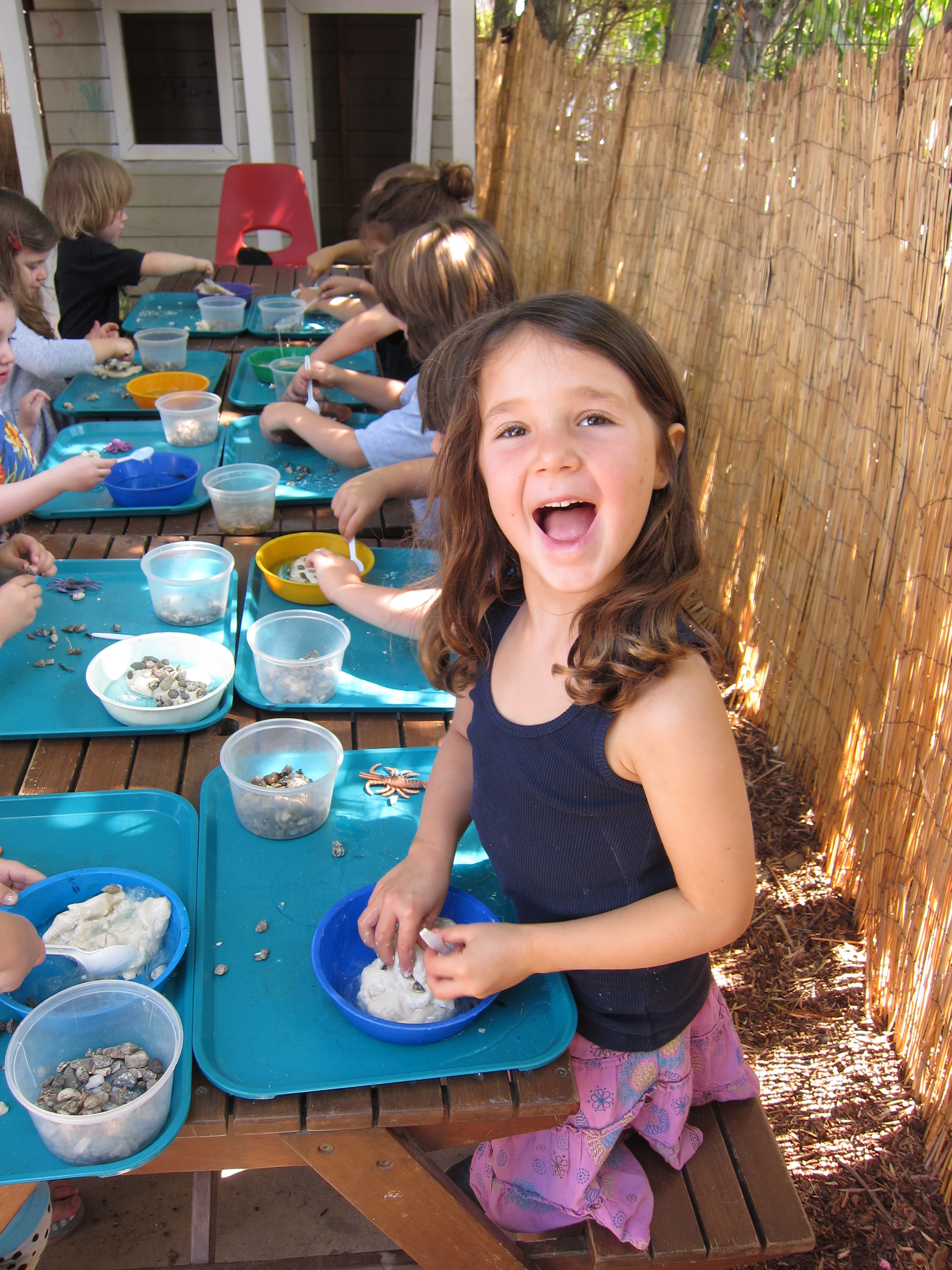
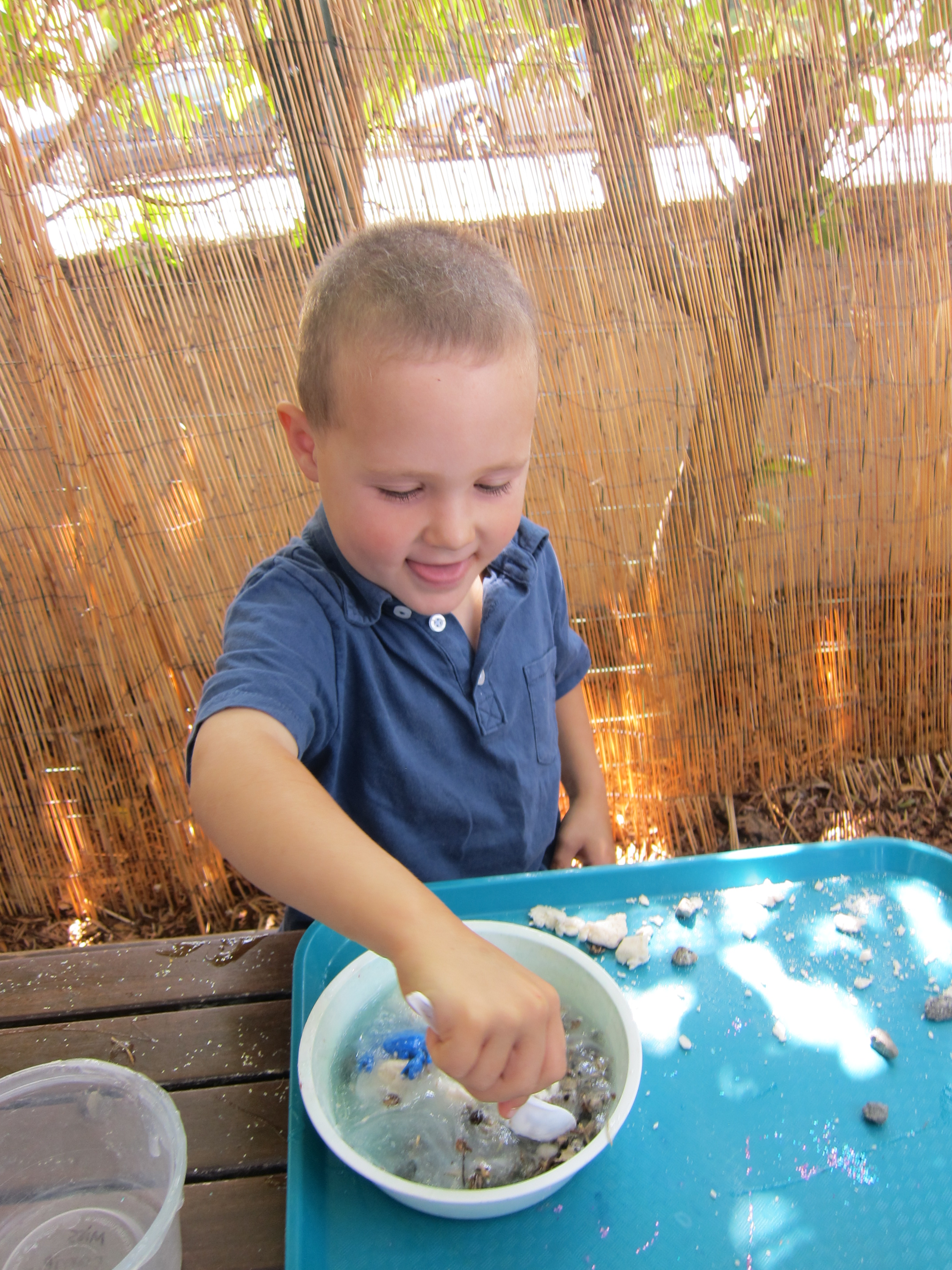
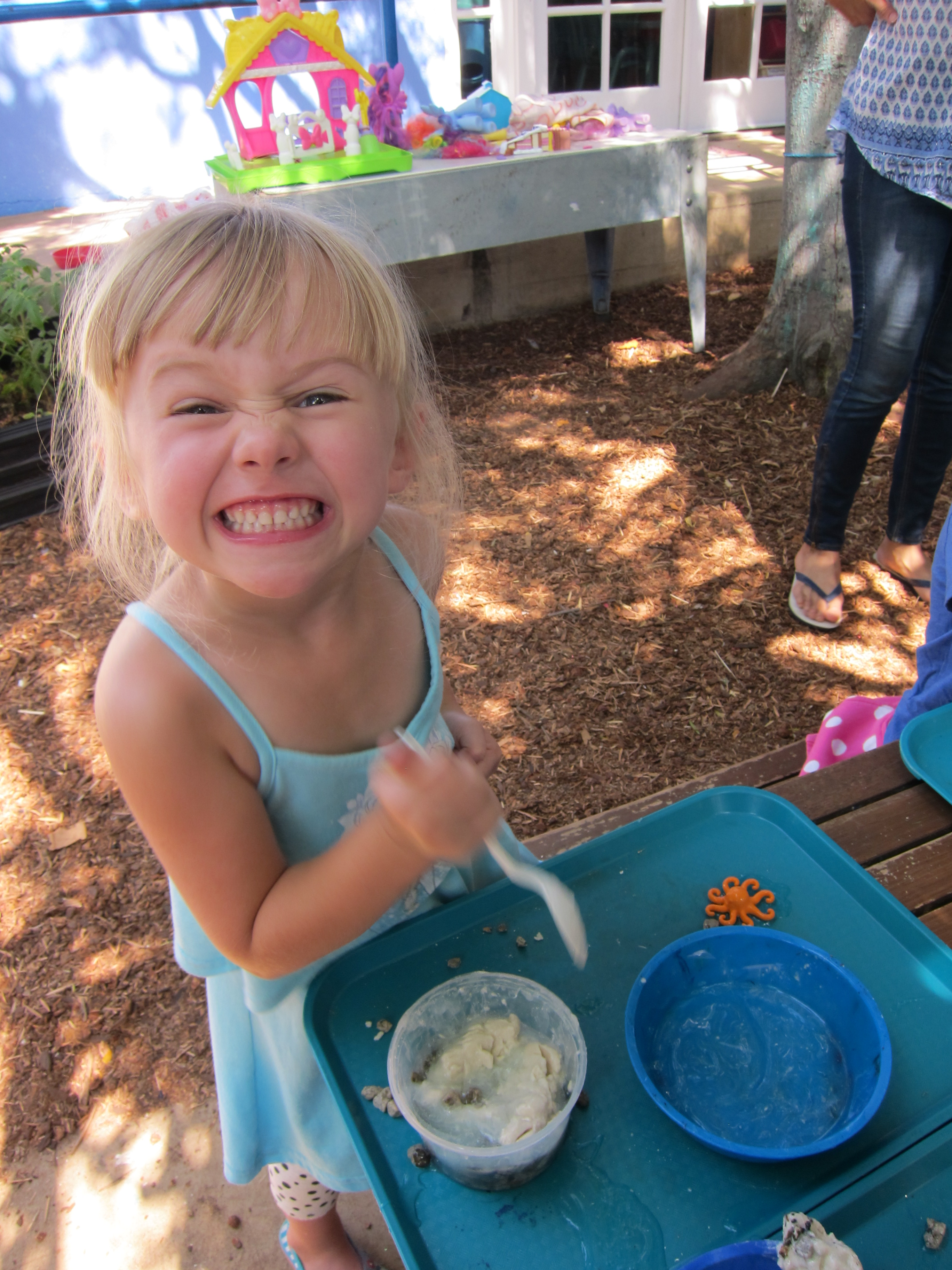
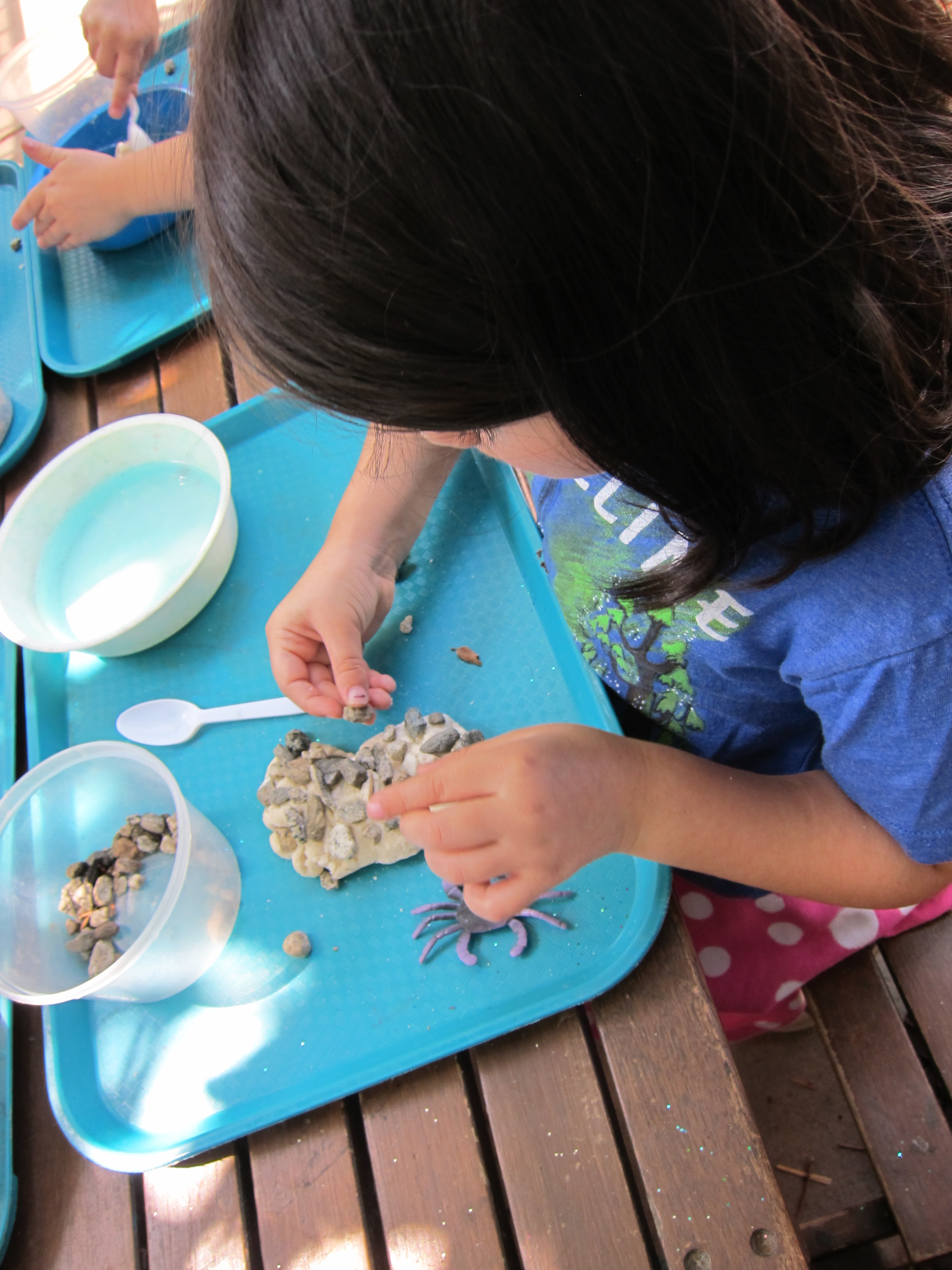
Using rocks,  white clay, and gel, we created structures designed to keep coastlines healthy and happy.

IMG_2413

Research in early childhood education demonstrates the significance in exploration and discovery within the learning environment.This facilitates reasoning skills (finding out what works and what doesn’t), creativity (developing alternative ways to manipulate materials), and problem solving.

IMG_2400

Constructing a jetty targeted these areas specifically because it encouraged your little one to plan out how their jetty would look, gather and arrange materials to initiate the process, and think critically as they engineered their structures.

IMG_2414

Ocean Scene – Painting on Fabric

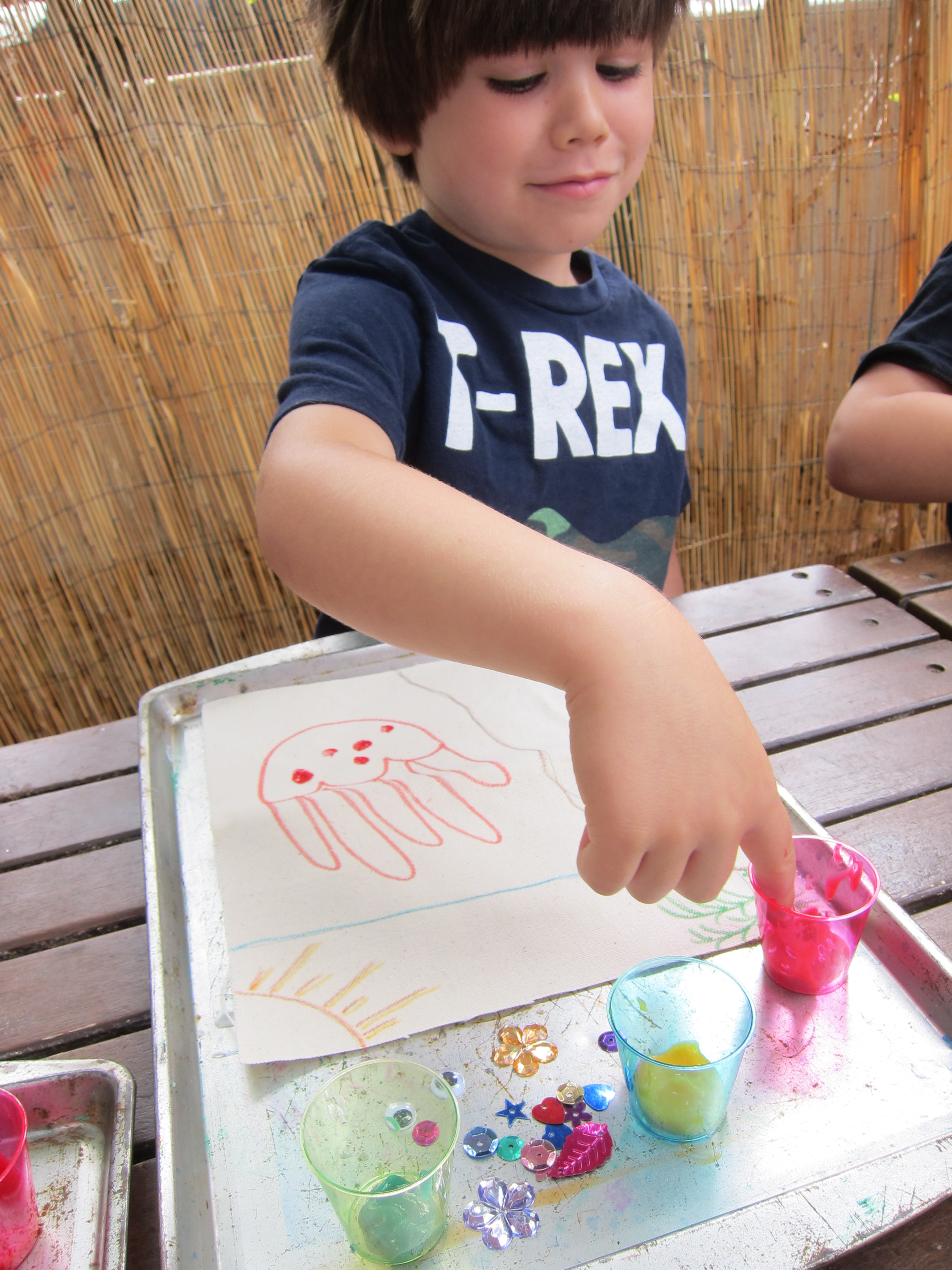
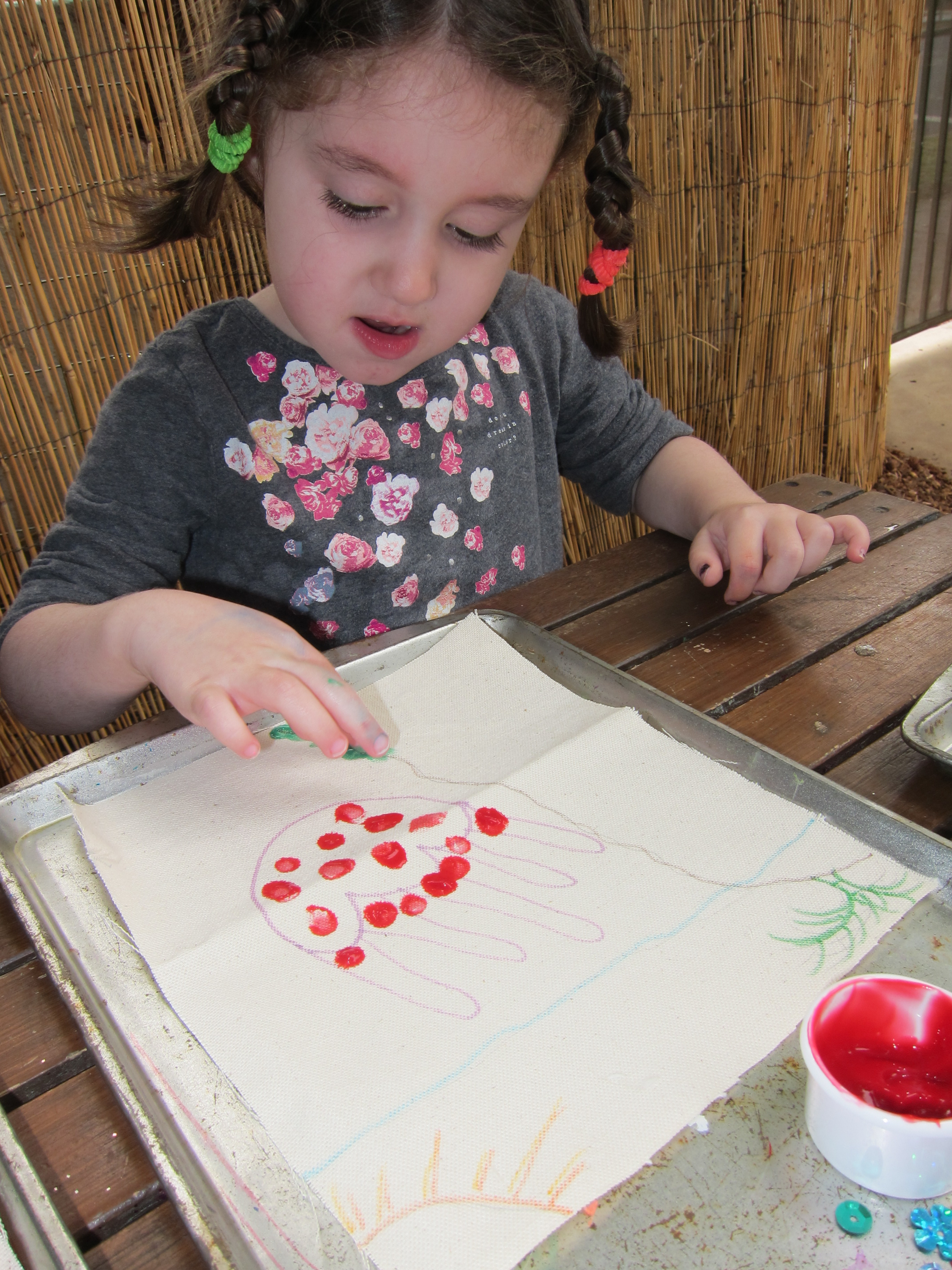
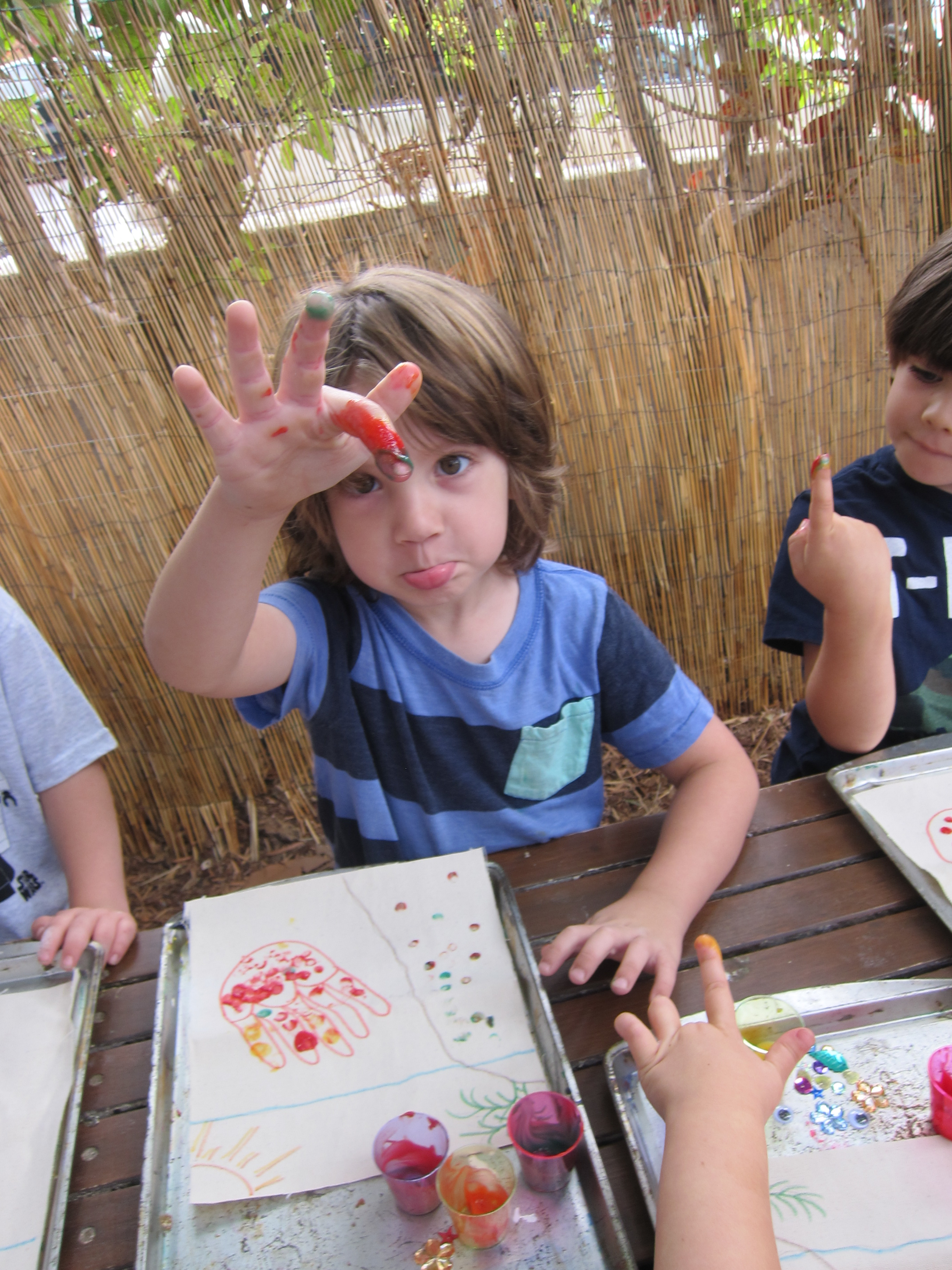
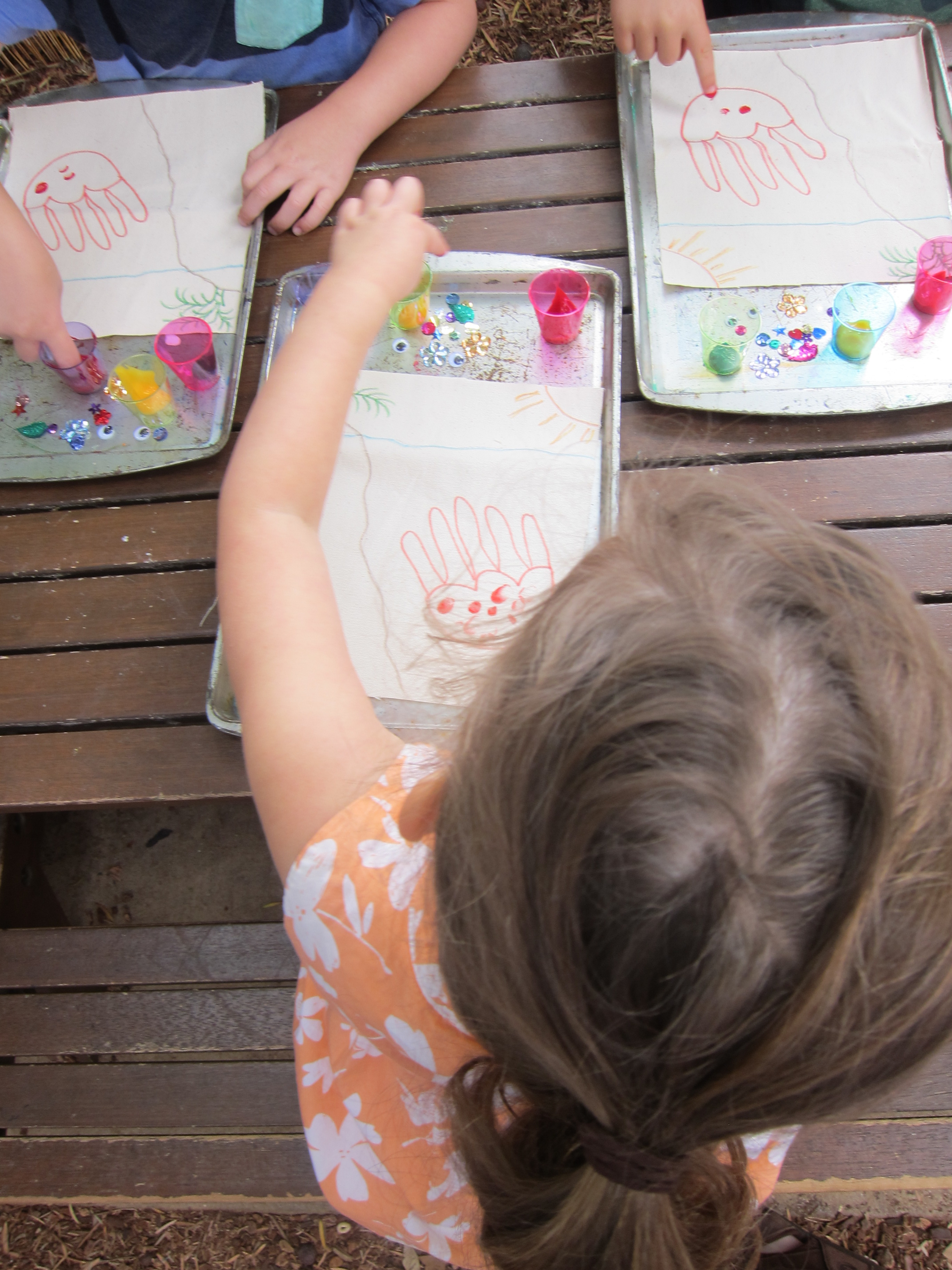
Creative art activities can help children in all areas of development. The first of these involve your little one’s large and small muscle development, as well as their eye-hand coordination. Using crayons, markers, and paint brushes helps children practice the fine motor control they will need for writing later on. The second, involves social development.

IMG_2255

When children work together in the art area, they learn to share, to interact with others, to be responsible for cleanup, and to put materials away. These are positive and important changes for social learning. The third domain includes cognitive development. Young children can learn the names of colors and shapes through creative art activities.

IMG_2257

They find out what happens when they mix two primary colors together and get a secondary color. Giving them materials, and then asking them to draw or paint an image in their minds, helps them develop observational skills needed for science. Lastly, is emotional development.

IMG_2258

Through creative art, children may be able to represent experiences that they cannot verbalize. They may draw pictures out of proportion, exaggerating things that are important to them. For this creative art activity, we used fabric, jewels, fabric paint, our fingers (along with paint brushes), and our imaginations to create our very own ocean scene!

IMG_2254