Airplane Dramatic Play

Pretending is important in child development.

IMG_0777

Through pretend play children learn how to think about themselves and the world, develop complex social and higher order skills, cultivate social and emotional intelligence, and synthesize knowledge and skills.

IMG_0838

It is for this reason that your little one participated in yet another dramatic play activity with boxes!

IMG_0831

This activity required it to be broken up into two parts.

IMG_0828

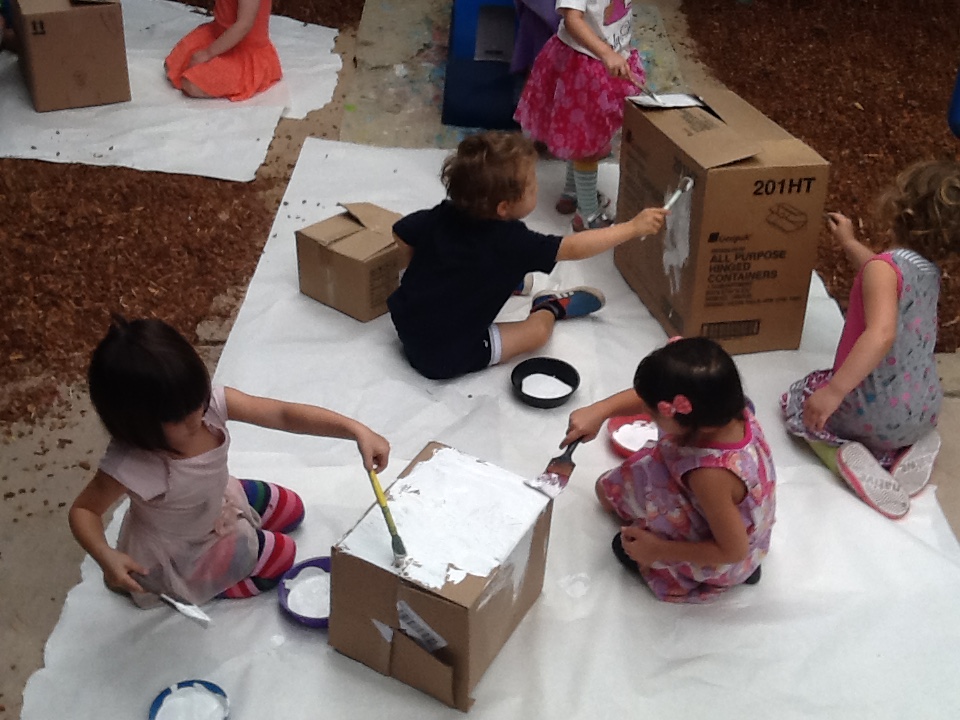
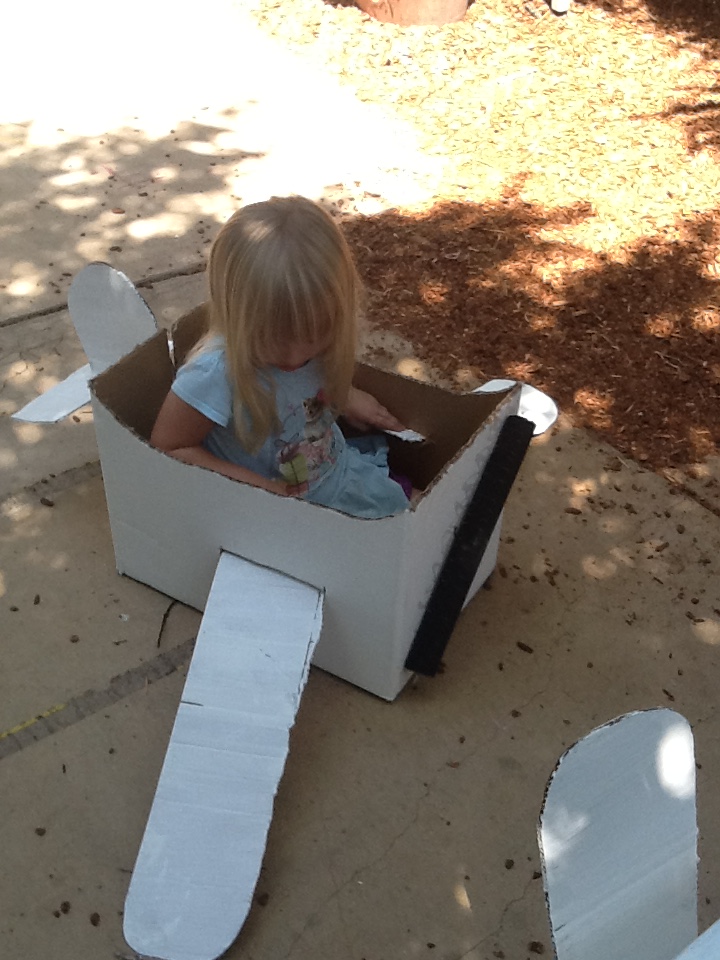
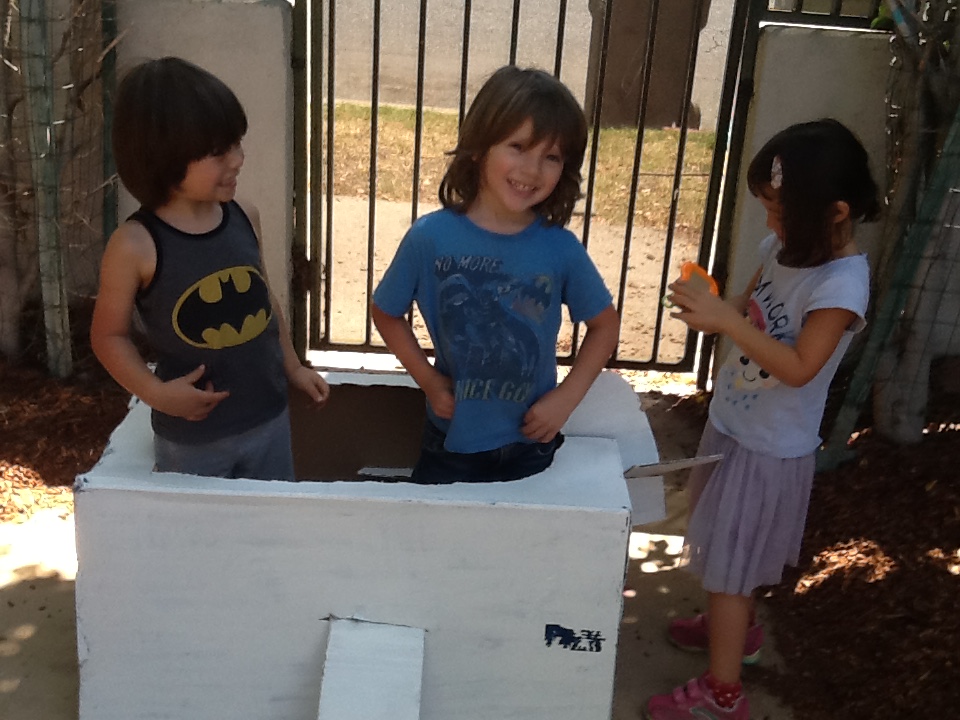
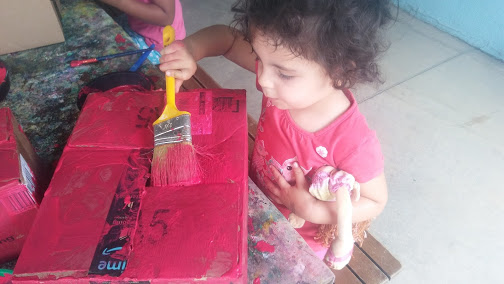
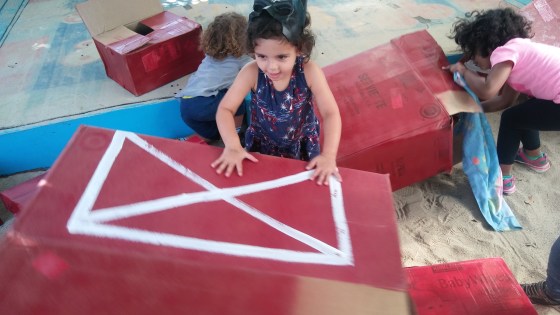
The first part involved painting some boxes white. The second component involved pretending that the boxes were airplanes! Using their imaginations, your little ones soared the friendly skies with their friends!

Salt Trucks

Salt trucks are responsible for de-icing, defined as the removal of existing snow ice and frost from a surface. De-icing of roads has traditionally been done with salt, spread by snowplows or dump trucks designed to spread it, often mixed with sand or gravel, on slick roads.

image

Using a cookie sheet with frozen water as our road, toy trucks, and salt, we created our very own roads to de-ice! Your little one poured salt onto the ice, and then watched with wonder as it turned to slush, making it easier for their toy trucks to drive! Preschool aged children learn science best through hands-on experiences that allow them to discover science concepts on their own.
image

Using ice in the classroom encourages young students to learn about the physical properties of ice and how it interacts with salt. We can help our young learners investigate and learn science by asking questions that encourage your budding scientist to find the answers.

image

Car Wash

Preschool children enjoy using both large and fine motor skills in their play, so we are constantly looking for new ways to integrate them into our curriculum!

image

This activity involved two components. First, during project time, we set up an area where the children could pretend to be a car wash.

image

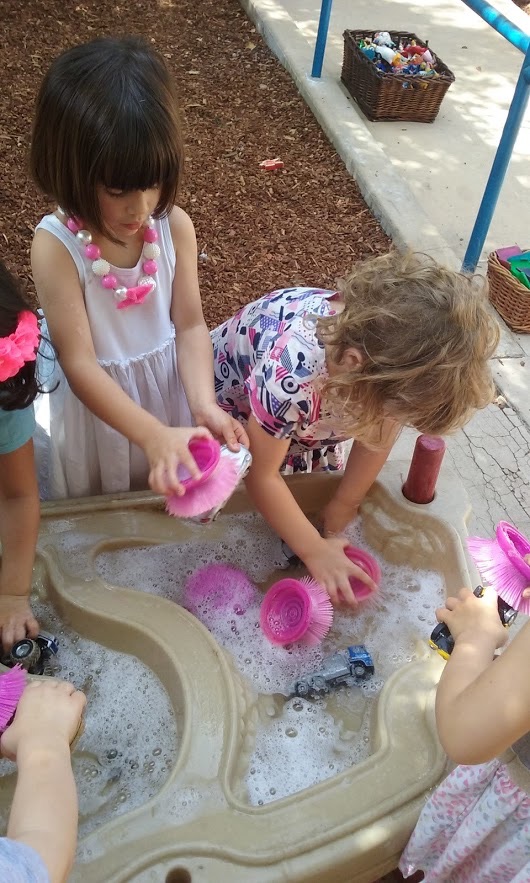
Our water table contained soap and water and each child was given a brush. This activity targeted the social-emotional developmental domain. It did this by promoting sharing and cooperation as as the children worked together washing the cars.

image

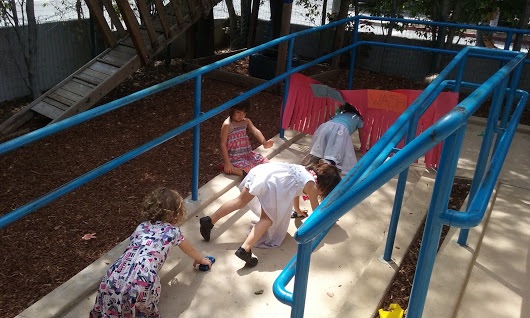
The second portion of this activity involved a dramatic play/gross motor component. Using fabric hanging from poles as our runway, we took turns cleaning ourselves off! One child played the gas attendant (who took the money), one played the drier (situated at the end of the course), and several played customers. Everyone crawled through the car wash, cheering on their friends!image

Barn Building

A barn is usually found on a farm.

20150729_110038

These special buildings are mostly used for housing animals, storing grain or hay, or keeping equipment.

20150729_110045

This open-ended activity enabled our students to construct their own barns.

20150729_110047

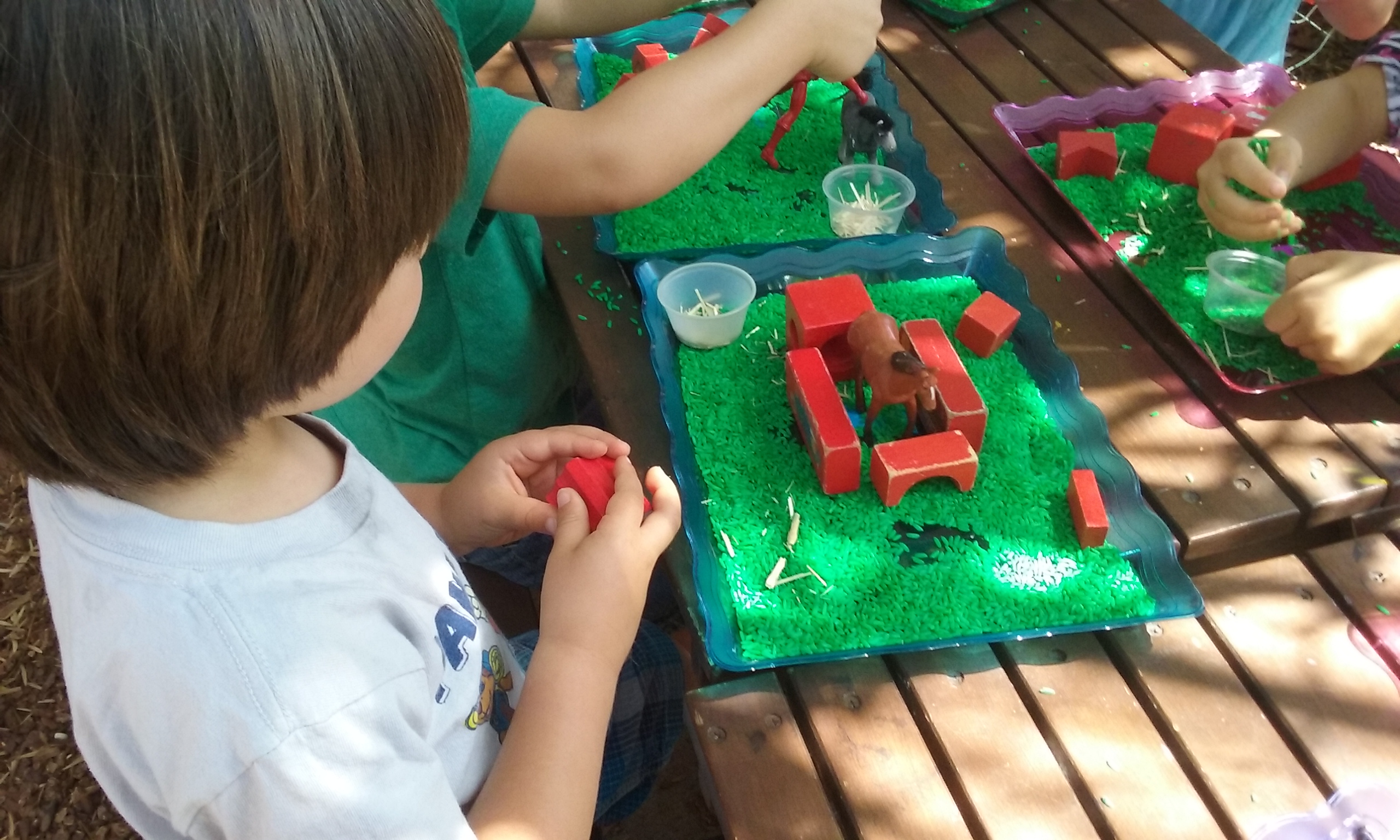
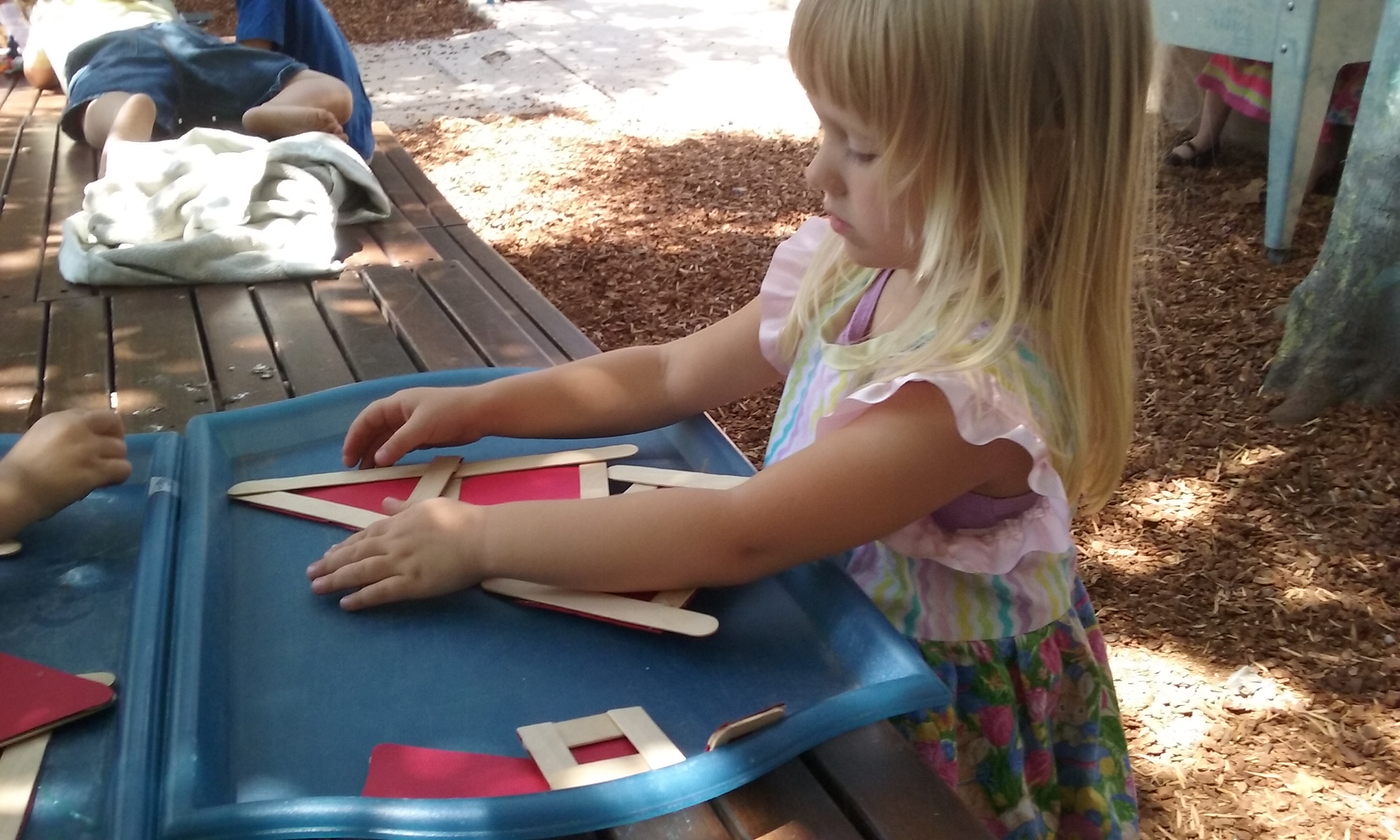
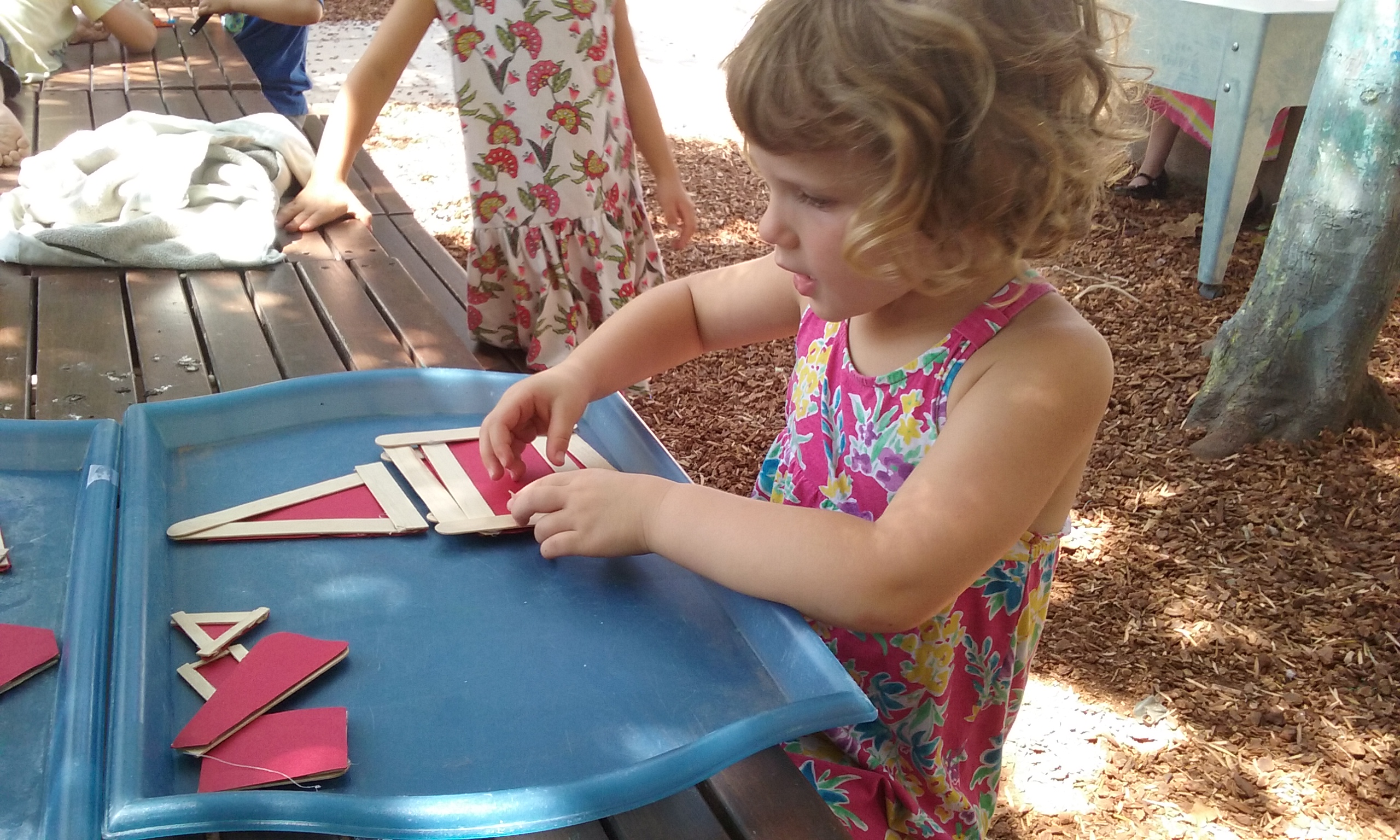
We first used red blocks (placed on green rice which simulated grass), and then red panels.

20150728_110532

Before beginning, students learned that if it’s cold or raining, the barn is a safe and dry place for the farmer’s animals to sleep.

20150728_110624

The concept of a barn is central to our farm theme, so it was important that your little one use a variety of materials to create their own version of it!

20150728_110649

To further incorporate the many uses of a barn, we also read a story about how a barn is used to store supplies such as grain and hay. Lastly, we sang a song about the color red during circle time because barns are red!

Fruit and Vegetable Sorting

Farming is a very efficient way of growing the sort of food that people want to eat. Your little ones spent one week learning all about the different crops that farmers yield every year during the fall season. One day of this week was dedicated to the sorting of fruits and vegetables.
20180907_102840_hdr
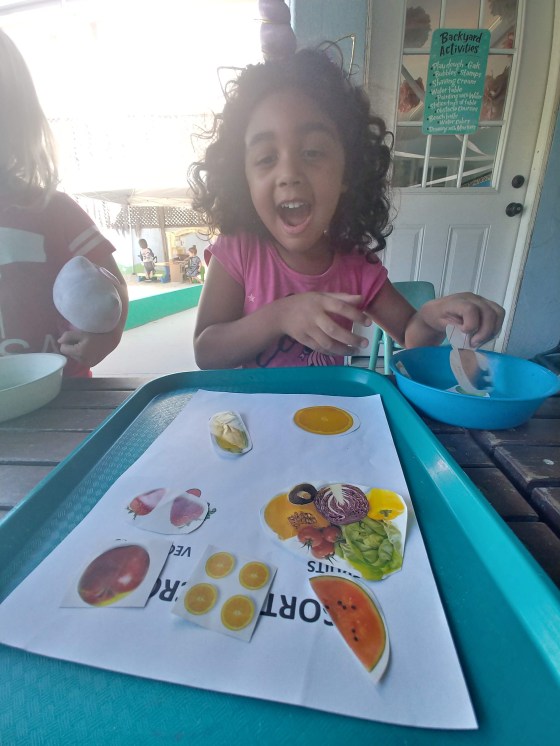
To distinguish the difference between these two groups of foods, your little one participated in a pre-math activity. Using pictures, stickers, and play food, we sorted fruits and vegetables into two piles.
20180907_102523_hdr
Sorting and classifying objects help children begin to notice how items are alike and different, and creates an awareness that is vital for math learning.
20180907_102338
Learning to distinguish between things feels like a major accomplishment for preschool children, and using a variety of concrete materials made the activity that much more fun!
20180907_102216

Milking Cows

From the cow to the carton, creating milk is a high-tech process.

image

In factories, milk goes through a series of stainless steel pipes to large refrigerated vats and is stored at 4°C. Within 48 hours, sterile refrigerated tankers take it to the milk factory, where it’s pasteurized and homogenized at the same time.

image

image

image

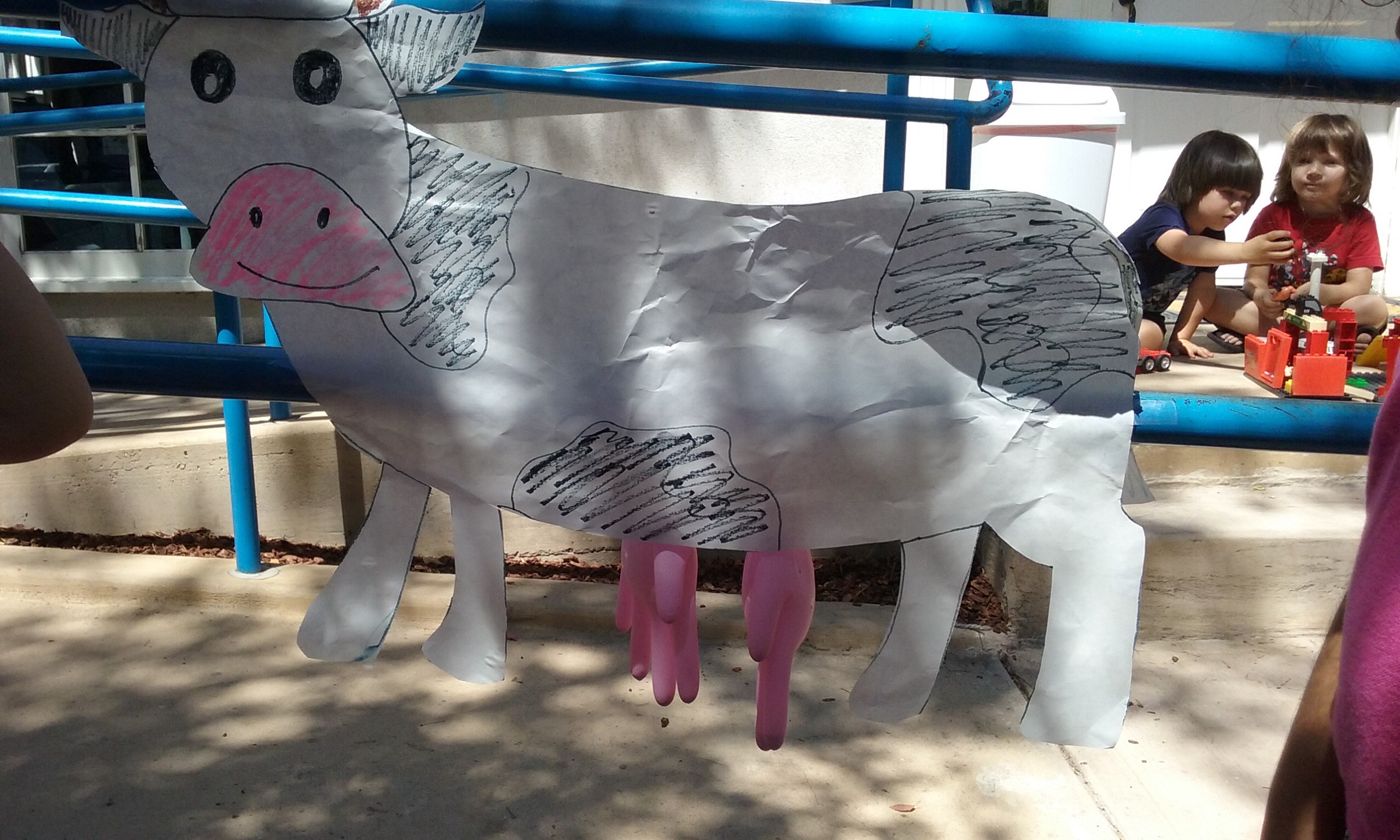
But, how did we get the milk from the cow to the machine? This activity aimed to teach your little one just that. After watching a short video on cow milking, we created our very own dairy farm here at school!

image

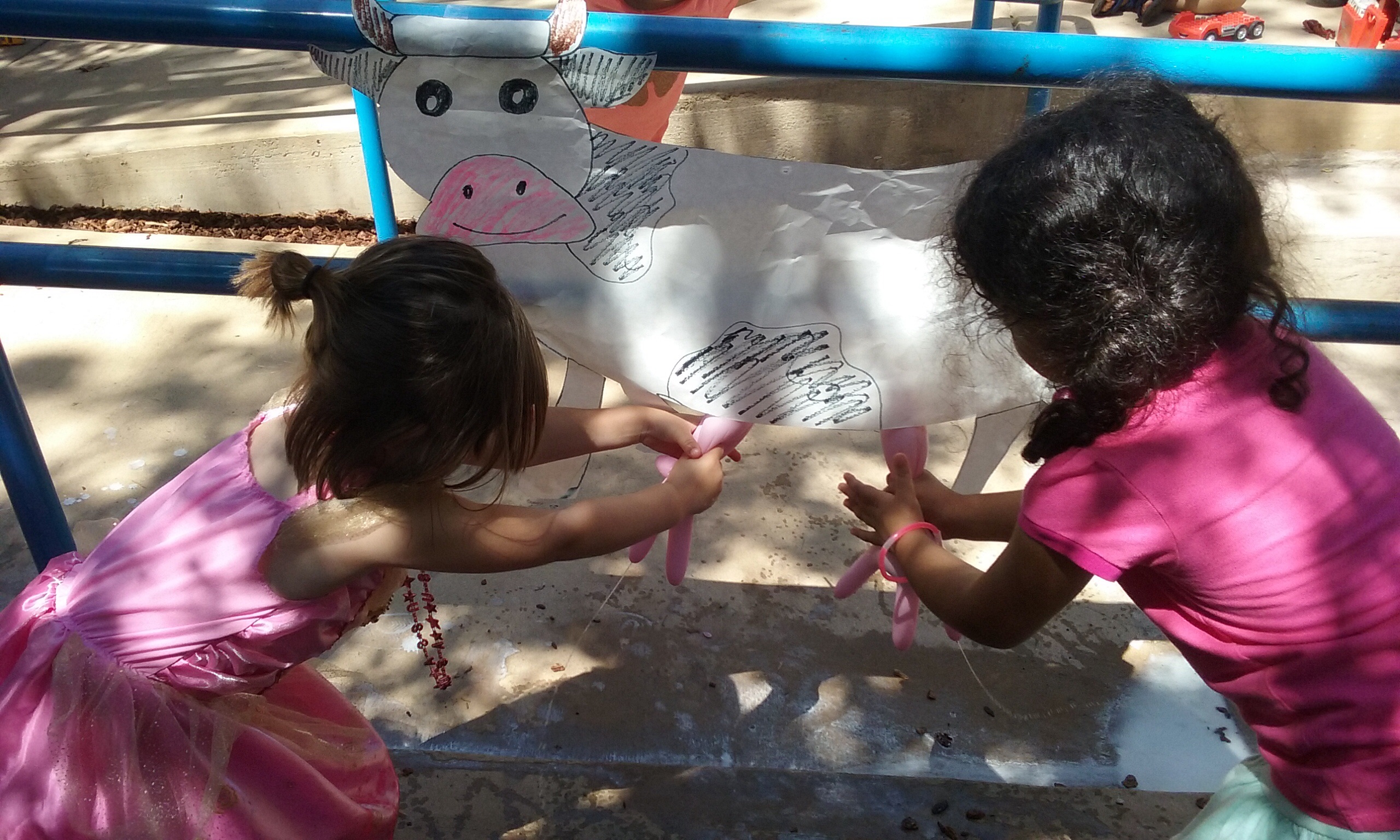
This was a great way to teach your little farmers about cows and where milk comes from. Preschoolers learn best by doing, and they milked a cow, just like a farmer would.

image

Using a large picture of a cow, rubber gloves and white paint, we milked our cows, letting the paint fall onto the ground.

Barnyard Dramatic Play Activity

Having young children work together as a large group can prove to be a very positive experience.

barnbox

Together they communicate and create.

Barn

As a result, they cooperate and collaborate!

Barn2

It is this reason that we combined a group project with a dramatic play activity.

Barn3

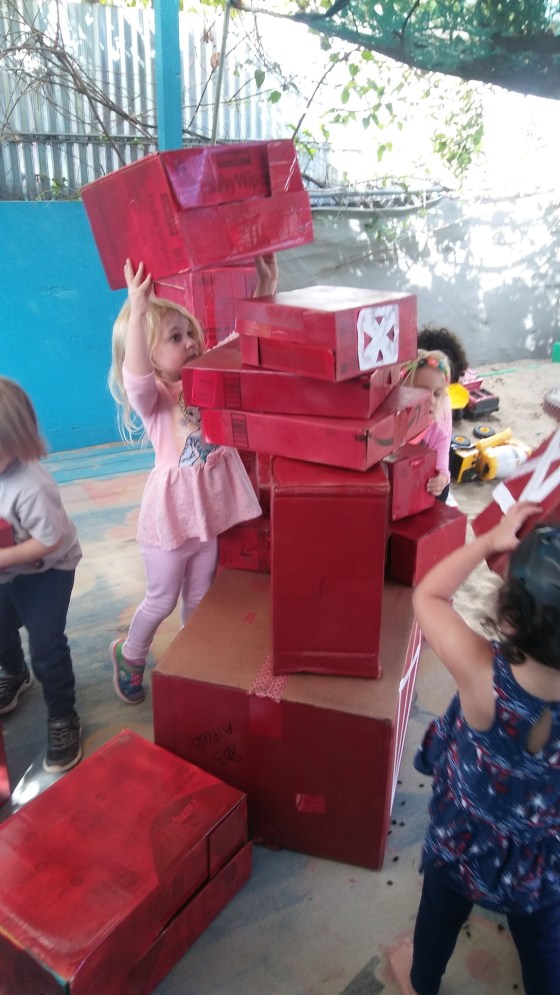
For this, we painted some large boxes red, and then turned them into barns!

Barn4

This dramatic play experience helped your little one integrate all they have been learning about barns and farm animals.

barnbox1

This type of play is an integral part of the developmental learning process by allowing children to develop skills in such areas as abstract thinking, literacy, and social studies, in a timely, natural manner.


Piggy Pipettes

Farms play host to an array of adorable animals.  These creatures provide a rich texture of color that adds to the intrigue of the daily workings of a farm. During circle time we discussed the roles of these animals, and concluded the morning with a fine motor experiment!

20180925_101057

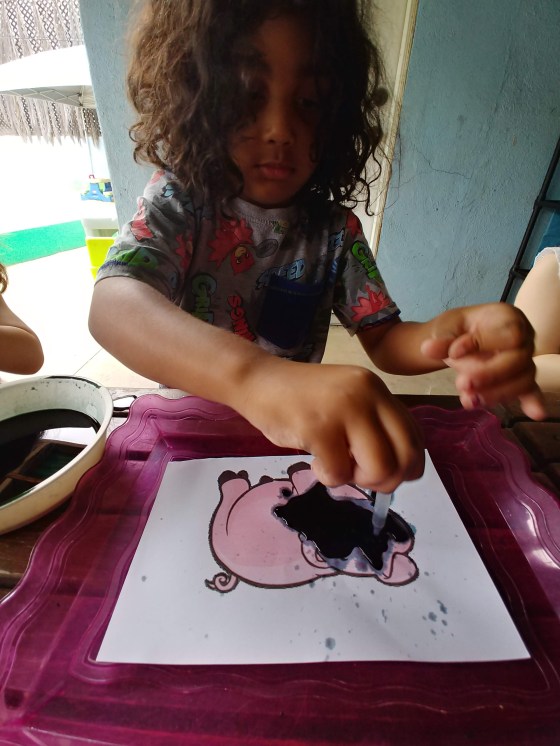
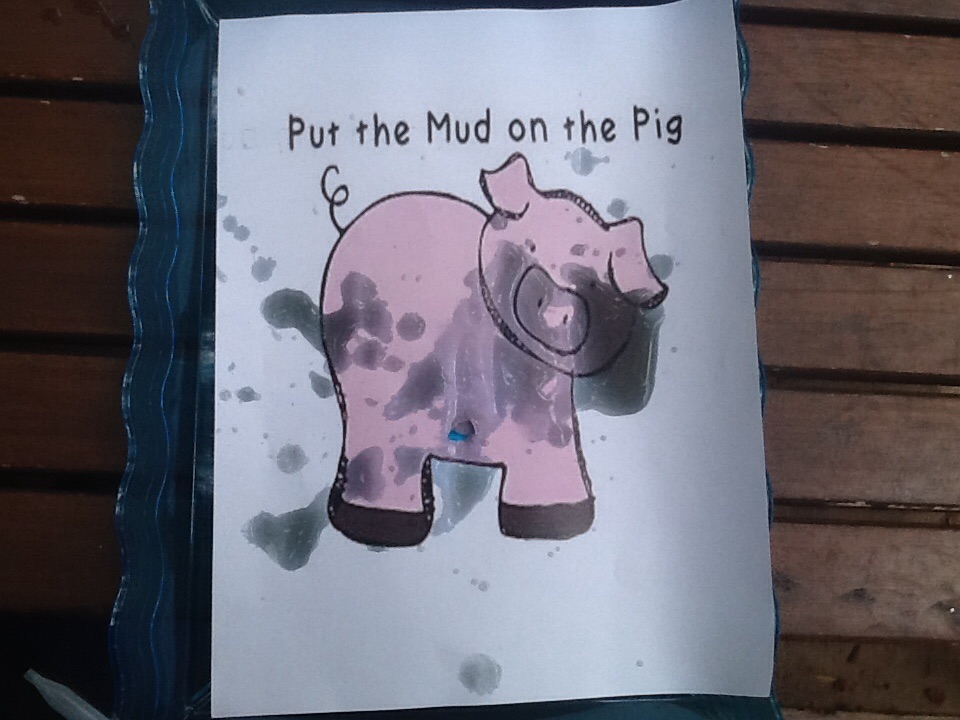
Using brown watercolor, pipettes, and pictures of pigs, we observed how color can be manipulated with different instruments.

pig3

As it is sucked into the pipettes and dropped onto the paper, it quickly spreads onto the surface of the paper fabric.

20180925_101143_hdr

Your little scientist not only practiced their fine motor skills, but experienced the benefits of cause and effect image

Sheep Shearing

Farm themes are always popular with preschoolers, because they easily incorporate so many of their favorite activities: pretend play, sensory, small worlds and more!

shear5

We love it too because we can really think outside of the box with the activities and provocations we present to your budding farmers.

shear4

One of our farm days focused on sheep, sheep farms, and the wool they provide for us.

shear3

Your students were taught that the sheep’s wooly coat gets a haircut with clippers; the same way their daddy or maybe they might get a haircut!

shear2

They learned that the special clippers used on sheep are called shears, and it is called shearing a sheep when a farmer gives a sheep a haircut.

shear1

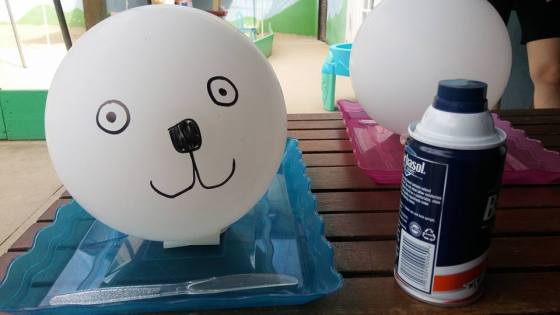
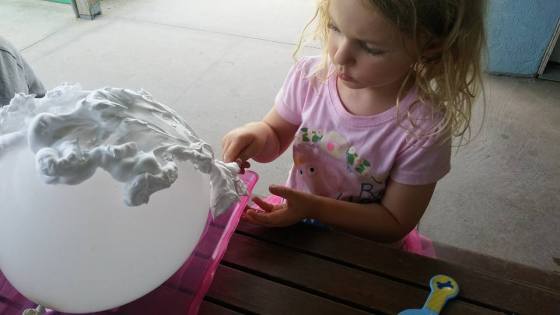
After learning all about sheep we put together an activity where the children could pretend to be farmers and shear some sheep themselves. We used shaving cream, balloons, and a large craft stick to “shear” our wooly friends.

Counting Cows

Using black stones, we learned about dairy cows, counting, and numbers!

image

Each child was given a group of white dairy cows with various numbers written below them. They then placed the correct number of “spots” onto each cow, counting as they did so.

image

After this, we talked about what the various numbers look like.

image

By counting, young children gain an understanding of concrete relationships.

image

By counting, our students also learn that each object gets one number. In gaining insight of concrete relationships, they further their comprehension that things continue to exist.

image image