Ant Ecosystem

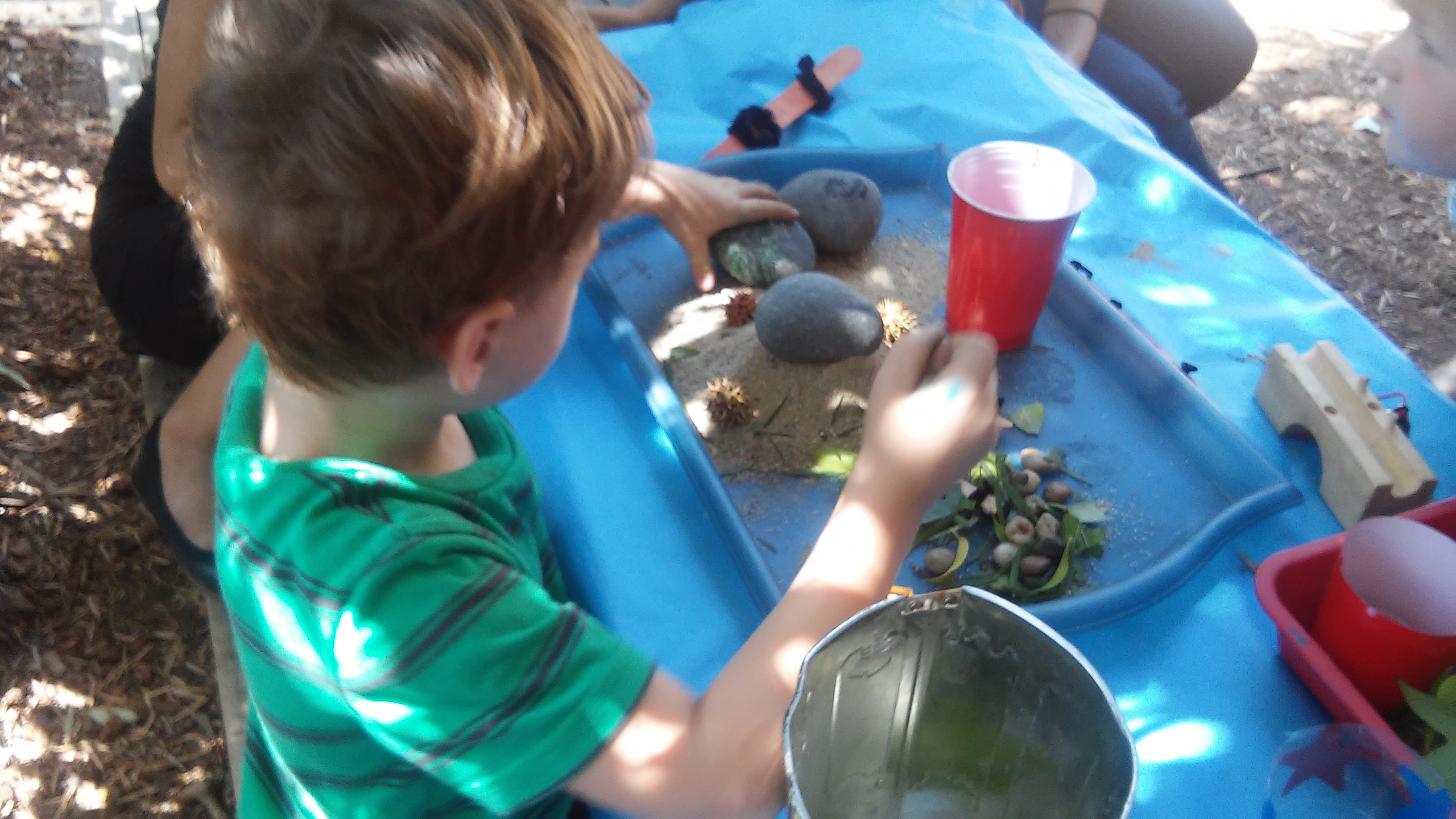
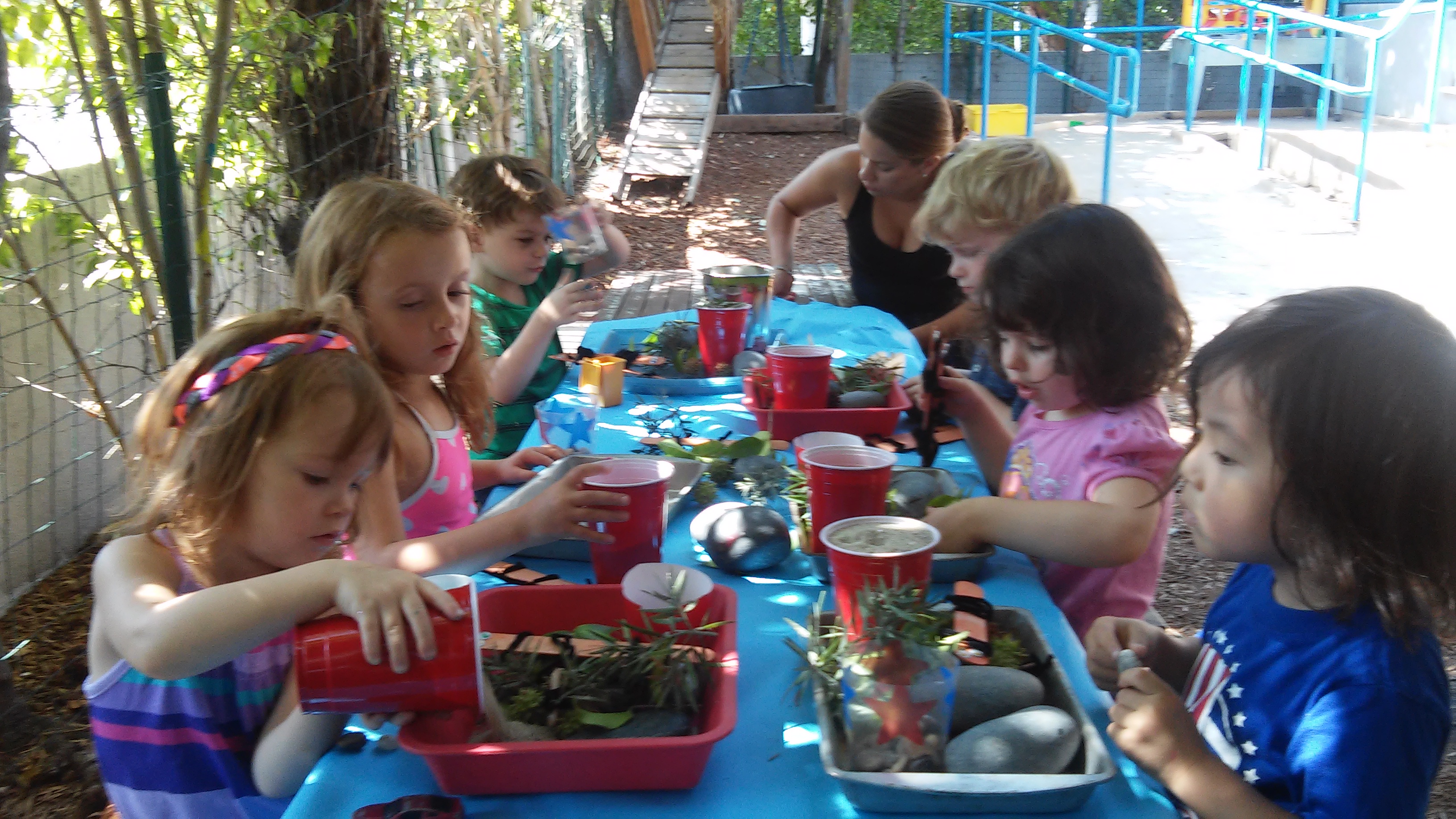
If you’ve ever examined an anthill and wondered what’s beneath the surface, creating your own ant habitat would be a fascinating learning experience. Introducing the ins and outs of these complicated castles offers your entomologist a first-rate view of ants building intricate tunnels and paths, then scurrying through like they’re on a mission. To begin this activity, your little one was encouraged to close his eyes and visualise what his home looked like. How many windows does it have? What color is it? What features does it have? etc. On a small piece of paper each student drew the home that they just visualised. It was emphasised that people in cities need habitats and each other to survive. This is similar to what happens between animals, plants and their habitats in natural areas. We then talked about what ecosystems are, and why they are important. Preschoolers love to be outdoors. These outdoor connections can actually advance a child’s skill sets. Research has shown that nature based activities instantaneously enhance skills in a range of widespread areas.

20140731_10420820140731_10343020140731_104738


Plastic Cup Towers

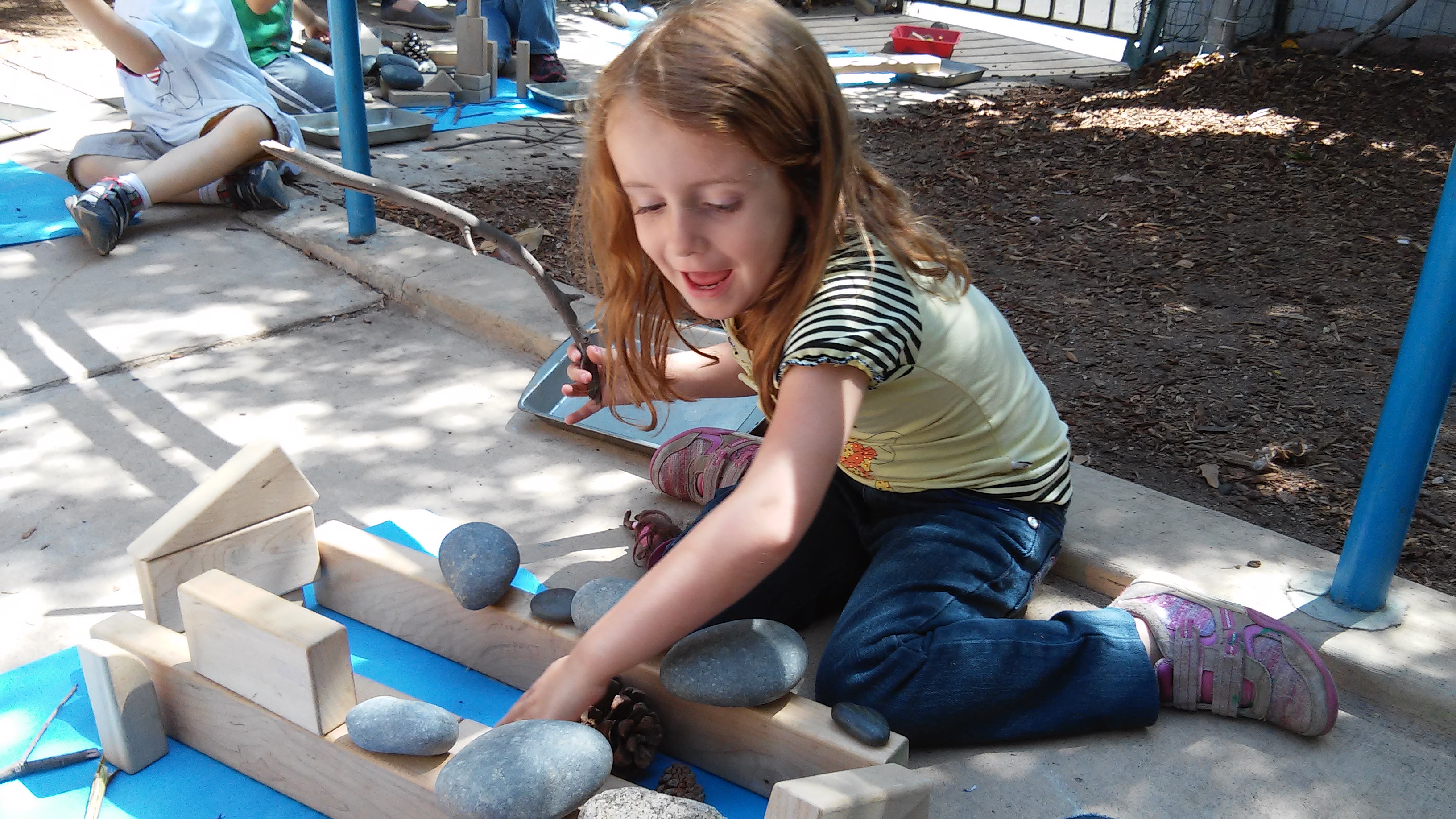
Children love to build. It’s something to do with the challenge, the skill and probably the knocking down, that makes it such an appealing activity for kids. As stated earlier, when your child plays with blocks, building replicas of the world around her, she is like a little scientist, experimenting with balance, structure, space, and even gravity! Have you ever watched your child attempt to build a simple tower, only to have it fall down at a particular height? Perhaps you have noticed that she tried different ways of placing the blocks until finally she created a tower that stayed up! Amazingly, what she is doing is using the scientific method of experimentation, observation, and cause-and-effect to solve the problem of the tumbling tower.

20140618_10445520140618_105303


Fallingwater House

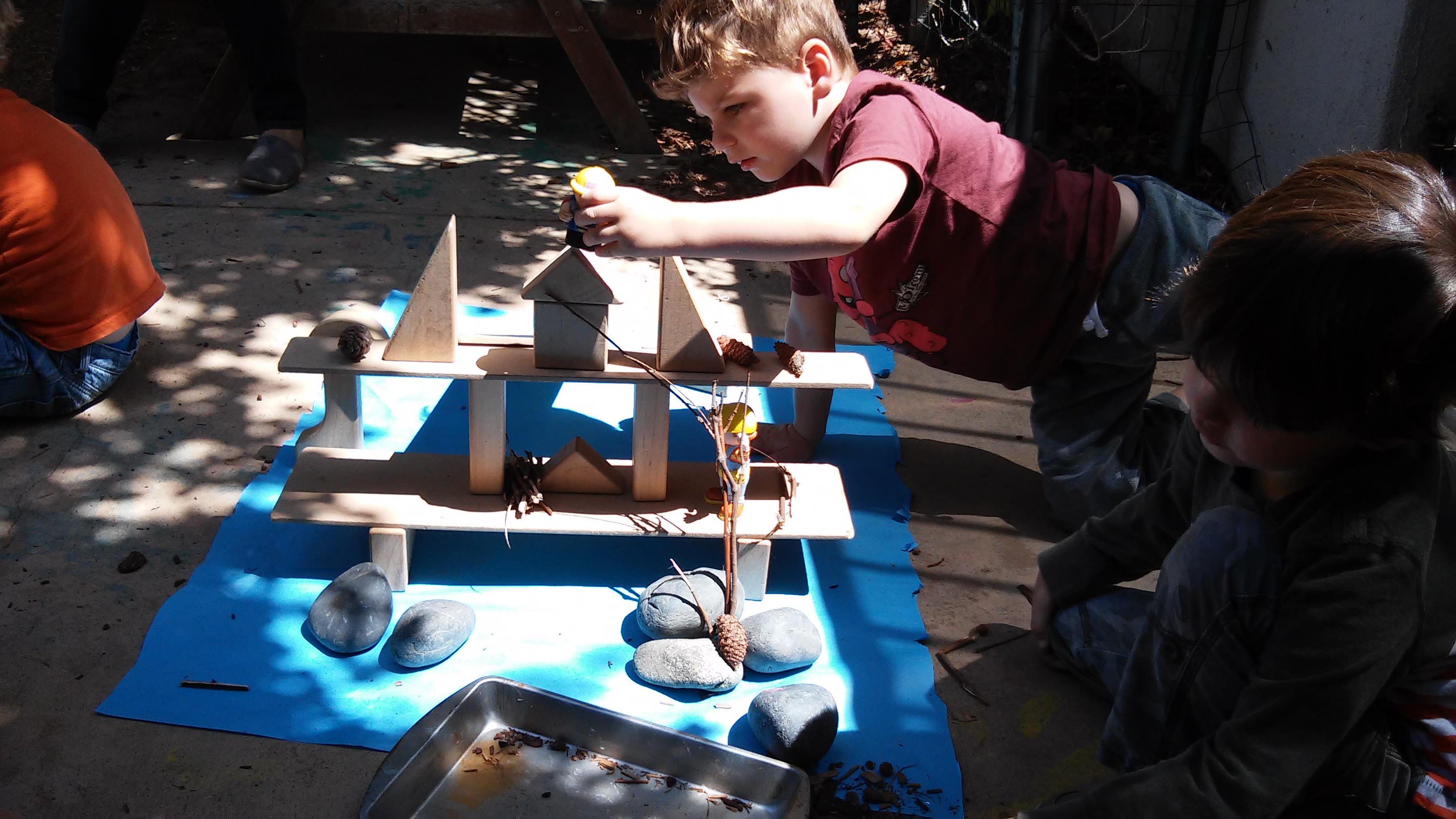
Fallingwater House is located in southwestern Pennsylvania. It hangs over a waterfall using the architectural device known as the cantilever. Wright described his architectural style as organic – in harmony with nature. Though Fallingwater reveals vocabulary drawn from the International style in certain aspects, this country house exhibits so many features typical of Wright’s natural style – the house very much engaged with its surroundings. When Wright created this masterpiece, he envisioned the powerful sound of the falls, the vitality of the young forest, the dramatic rock ledges and boulders; these were elements to be interwoven with the serenely soaring spaces of his structure. He understood that people were creatures of nature, hence an architecture which conformed to nature would conform to what was basic in people. For this activity, we combined a variety of natural materials to create our own version of the Fallingwater House. When your child plays with these elements, building replicas of the world around them, they are like little scientists – experimenting with balance, structure, space, and even gravity!

20140617_103737 20140617_104840

L is for Longhouse

The Wampanoag tribe shared the first Thanksgiving feast with the Pilgrims. After arriving in Massachusetts, the Pilgrims were exhausted, following a two month voyage from England.

longhouse8

Being severely weakened, many pilgrims did not survive.  They were unfamiliar with the harsh weather of the New World and relied on the Wampanoag Indians to teach them the land.

longhouse7

This tribe combined bark and other plant materials to make their homes, called longhouses.  The inside of these longhouses had a dirt floor. The dirt permitted the use of a small fire to keep warm.

longhouse1

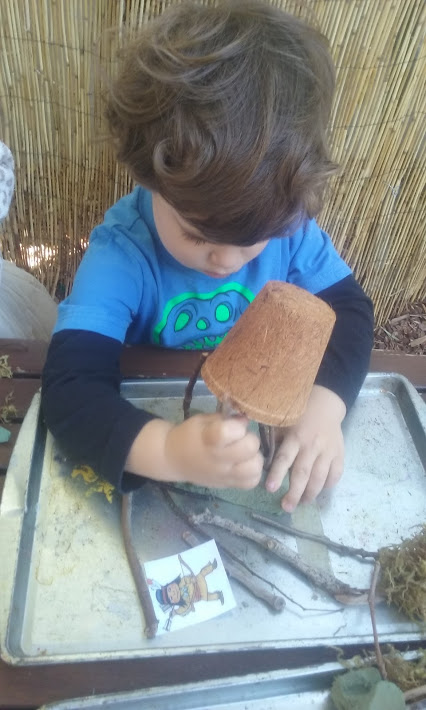
To convey the complex history of the Wampanoag Indians, we created our very own longhouses.

longhouse3

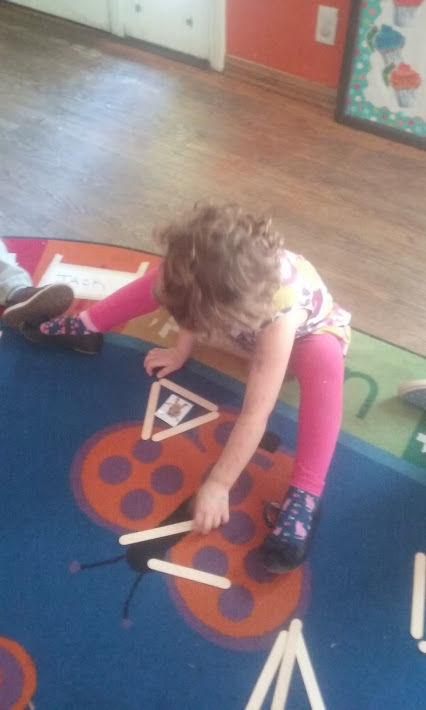
We first discussed the construction of the longhouse during circle time. Students then built two-dimensional longhouses out of craft sticks. Following, your little ones used flower foam, sticks, and wicker planters to create three-dimensional longhouse structures.

longhouse4