Native American Birds of Myth and Legend

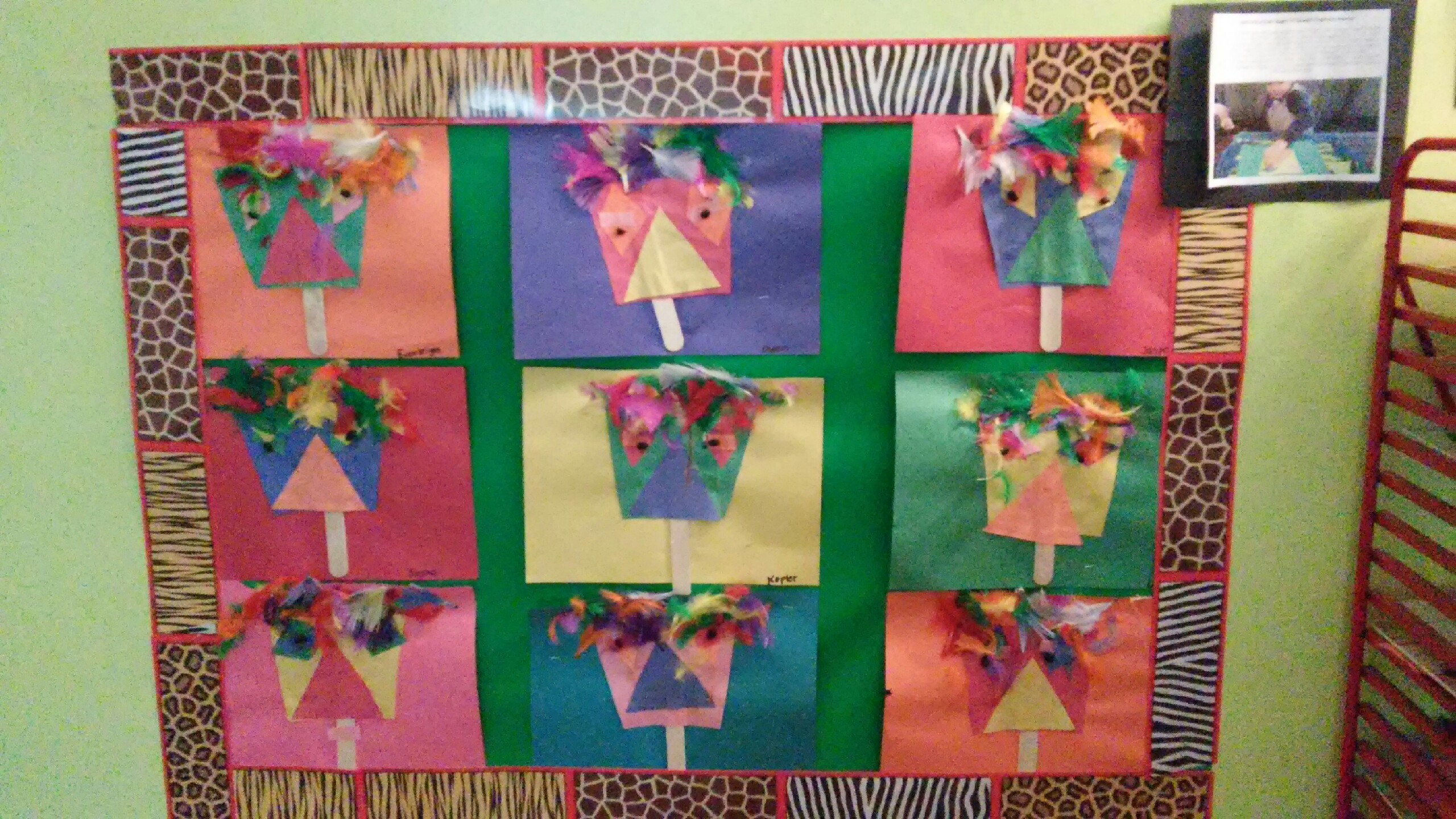
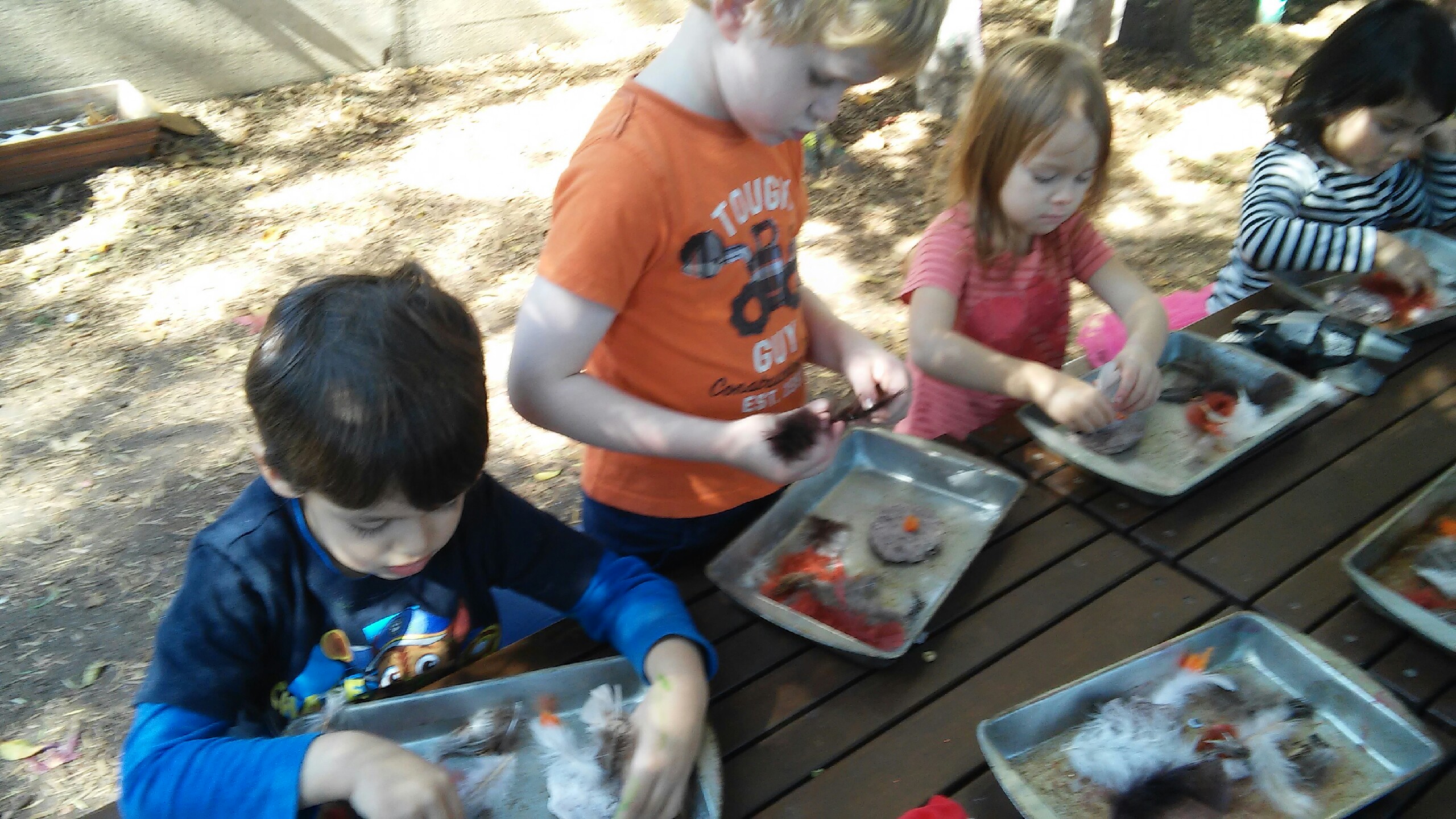
Birds play a wide variety of roles in Native American mythology. Frequently they serve as messengers from the Creator, or between humans and the spirit world. Eagle plays a leadership role in the mythology of many tribes, while Raven is frequently portrayed as culture hero, trickster, or both.
20141117_1105441

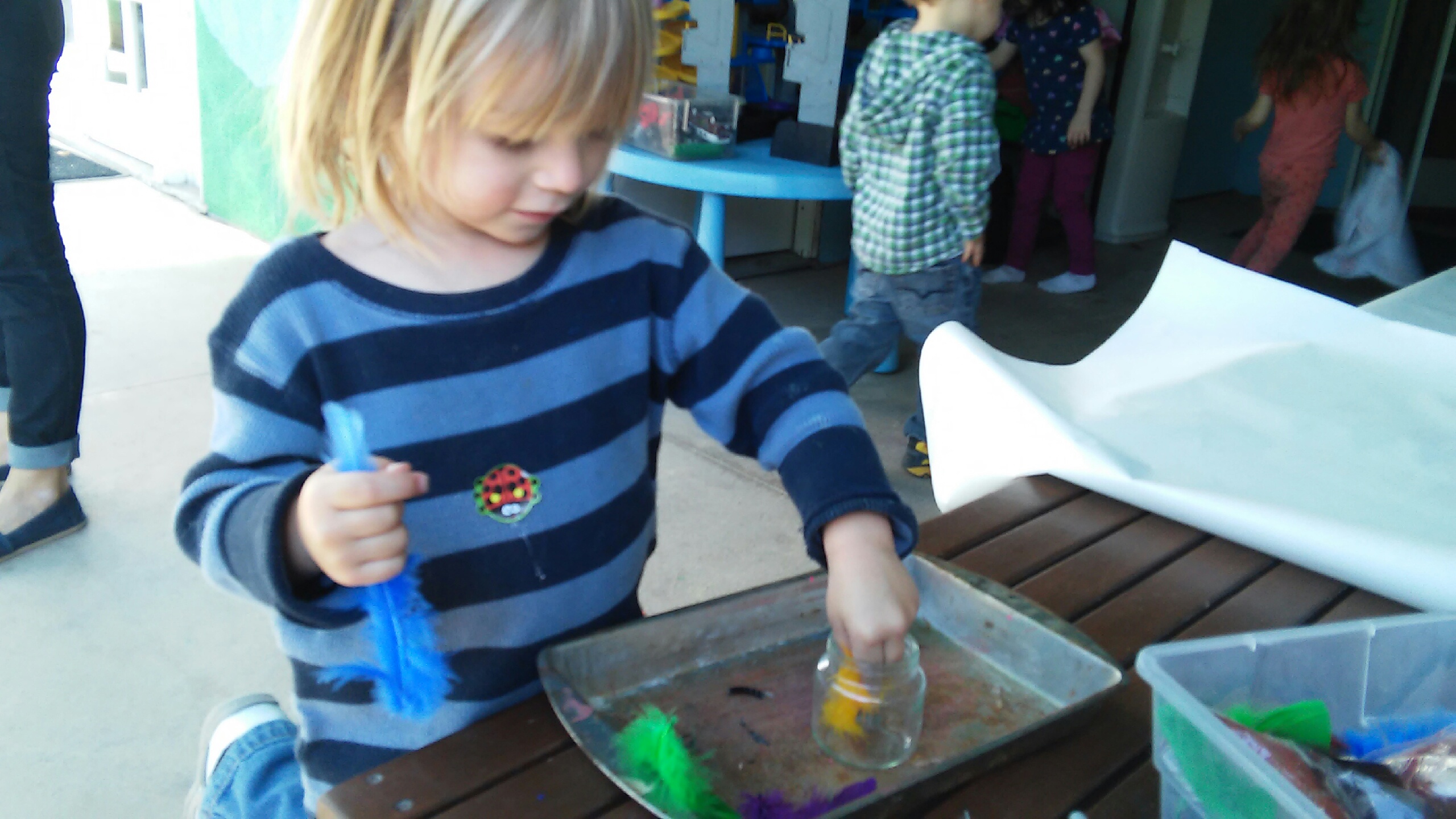
Other Native American birds play the parts of heroes, villains, wise advisors, flighty suitors, jealous competitors, and everything in between.

20141117_1105521

Birds are common clan animals in many different Native American tribes. Besides the major clans related to specific types of birds (such as the Eagle Clan and the Raven Clan), there are also generalized Bird Clans in some tribes, such as the Bird Clan of the Creek tribe (called Fusualgi or Fuswvlke), the Bird Clan of the Cherokees (called Anijisqua or Anitsiskwa), or the Feather Clan of the Mi’kmaq tribe. Birds are the most important clan crests of most Northwest Coast tribes and are commonly carved on totem poles (especially Eagle, Raven, and Thunderbird).

20141121_1603571

Longhouses

Longhouses are Native American homes used by the Iroquois tribes and some of their Algonquian neighbors. They are built similarly to wigwams, with pole frames and elm bark covering. The main difference is that longhouses are much, much larger than wigwams. Longhouses could be 200 feet long, 20 feet wide, and 20 feet high.

20141117_1244461

Inside the longhouse, raised platforms created a second story, which was used for sleeping space. Mats and wood screens divided the longhouse into separate rooms. Each longhouse housed an entire clan– as many as 60 people! Longhouses were good homes for people who intended to stay in the same place for a long time.

20141117_1233371

A longhouse is large and takes a lot of time to build and decorate. The Iroquois were farming people who lived in permanent villages. Iroquois men sometimes built wigwams for themselves when they were going on hunting trips, but women might live in the same longhouse their whole life.

20141117_1230441

Native American Pottery

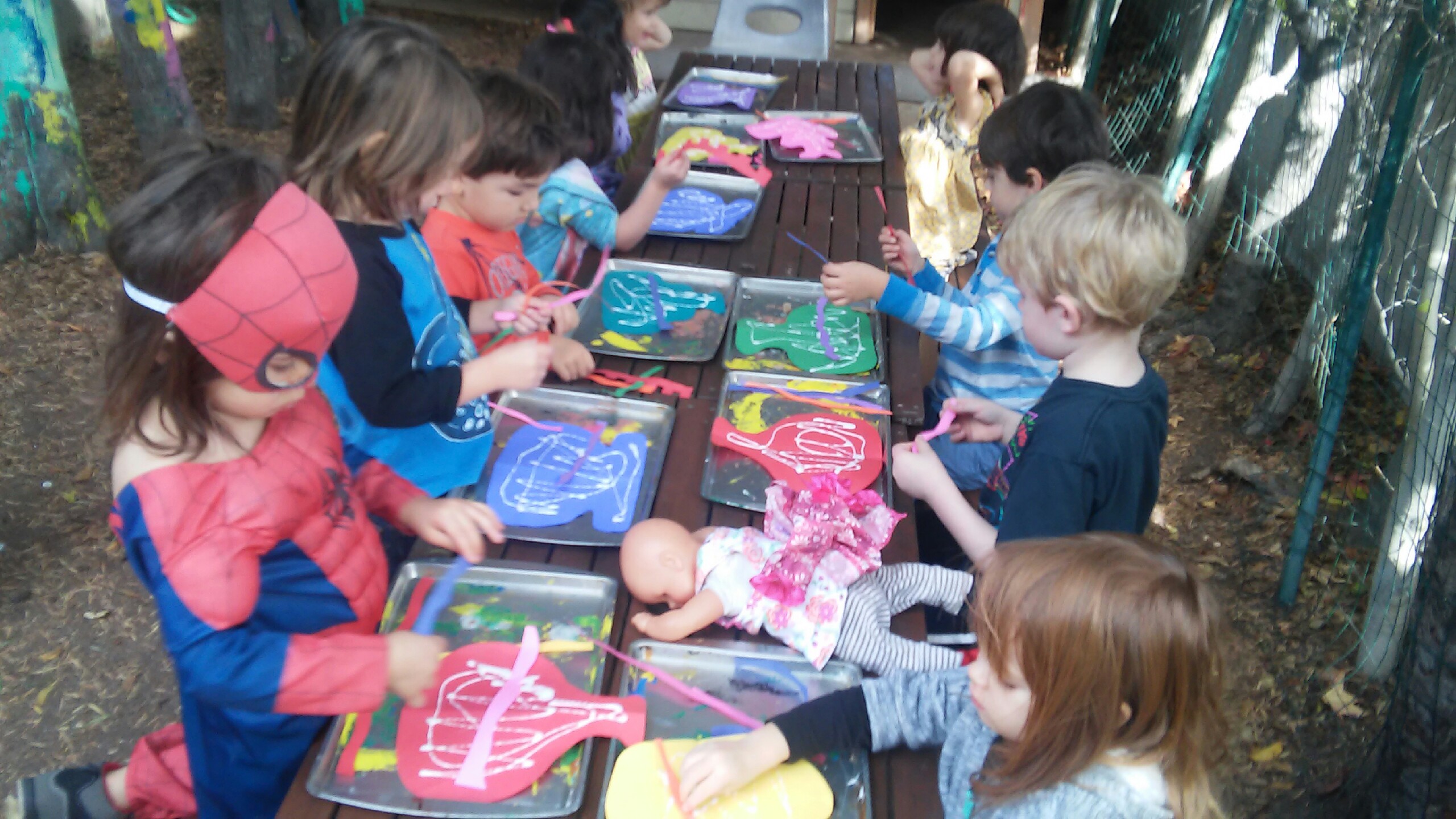
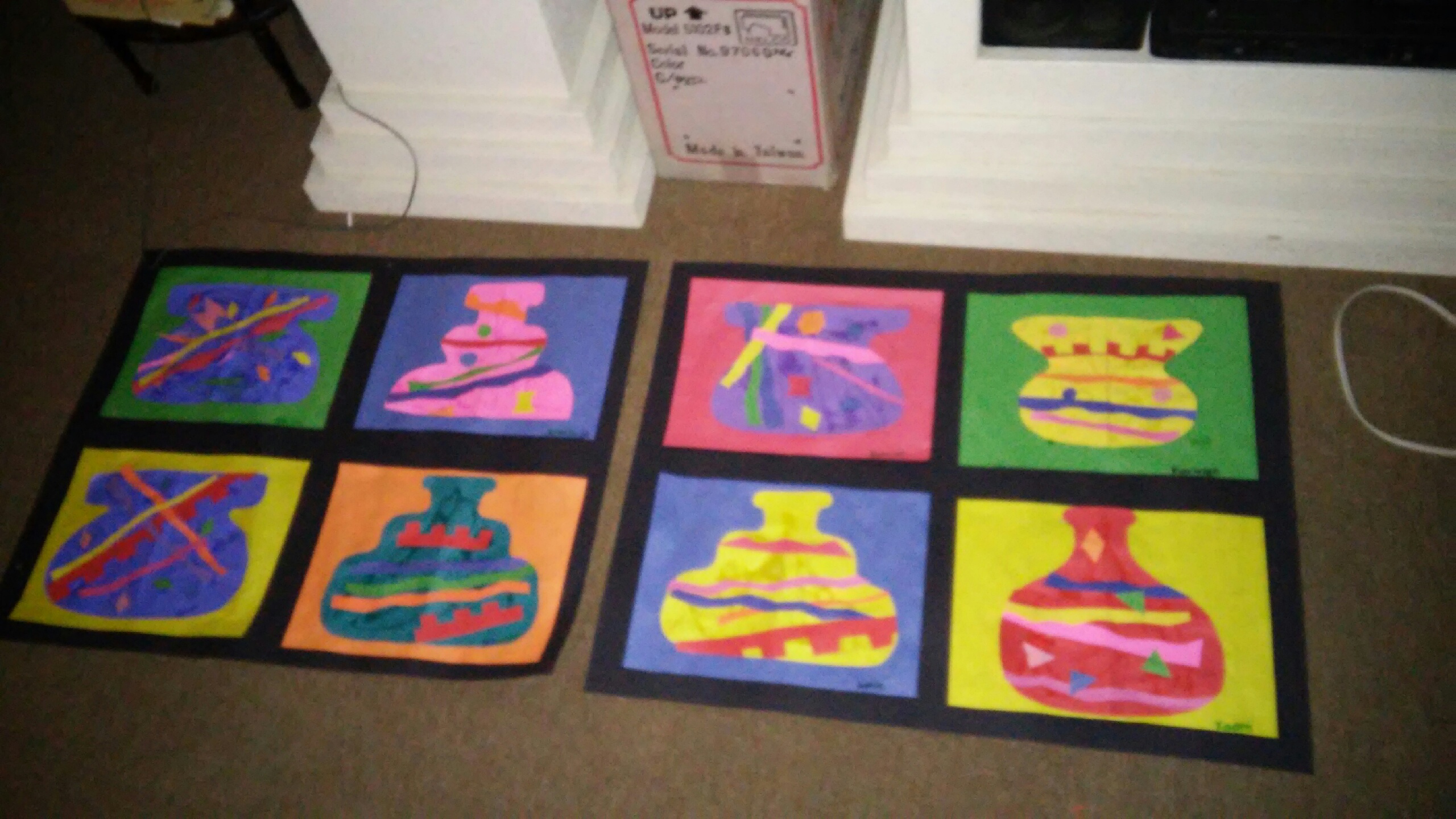
Native American pottery dates as far back as 2,000 years ago. It was then that nomadic peoples began to settle down. They learned to make pottery that varied in shape. The shape was dependent on what purpose the pottery was to serve. Native Americans used pottery to hold water, store grains, and preserve seeds for the next planting season.

20141118_0958431 (1)

Also among other examples of Native American pottery were the pots that would sit on open fires for cooking. In the beginning, Native American pottery was created for practical uses rather than the artistry of the piece. The pieces were plain and usually unsymmetrical. At some point though, it became important to the Native American Indians to decorate their pots.

20141119_0121331

Petroglyph Mosaics

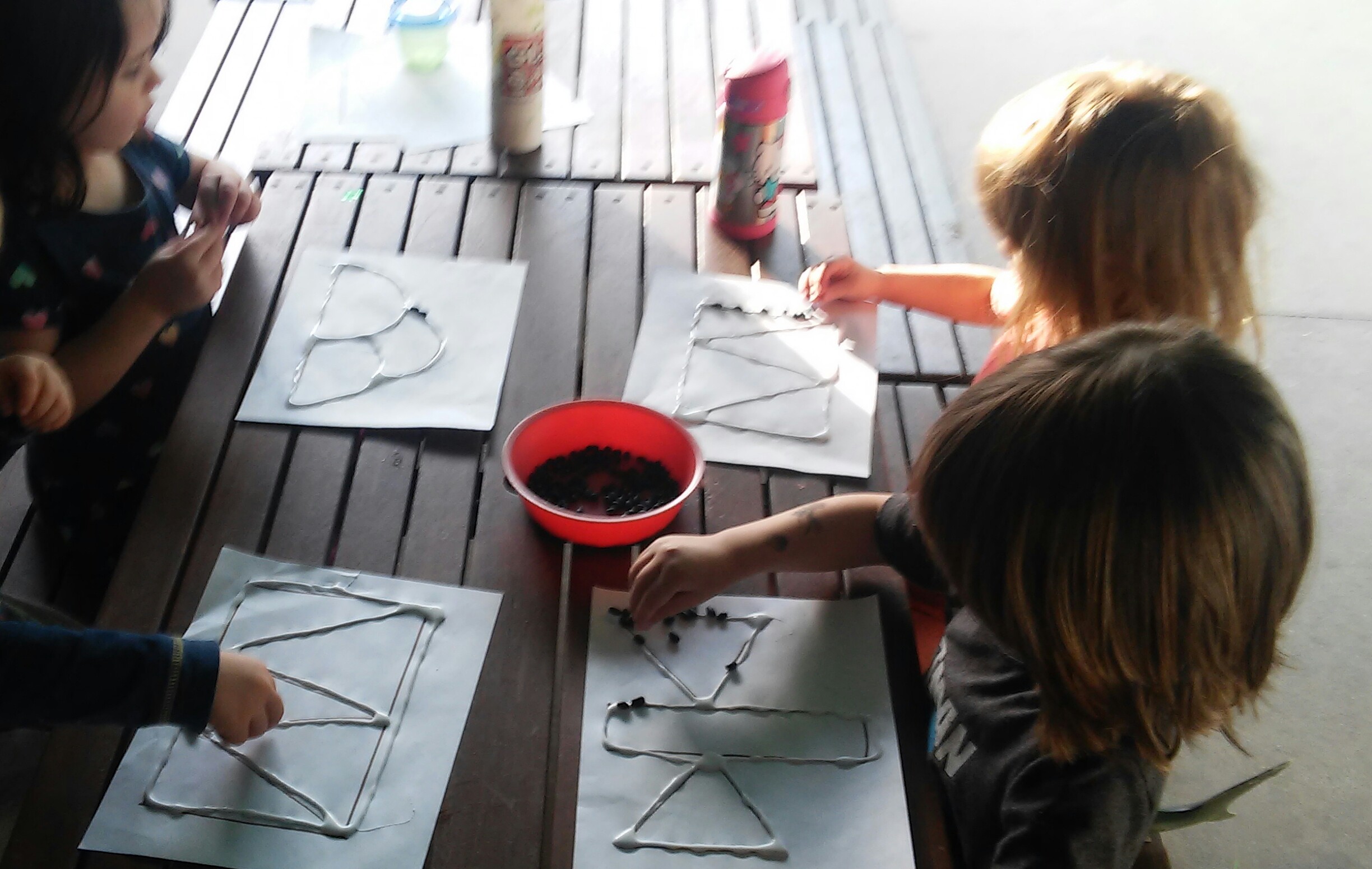
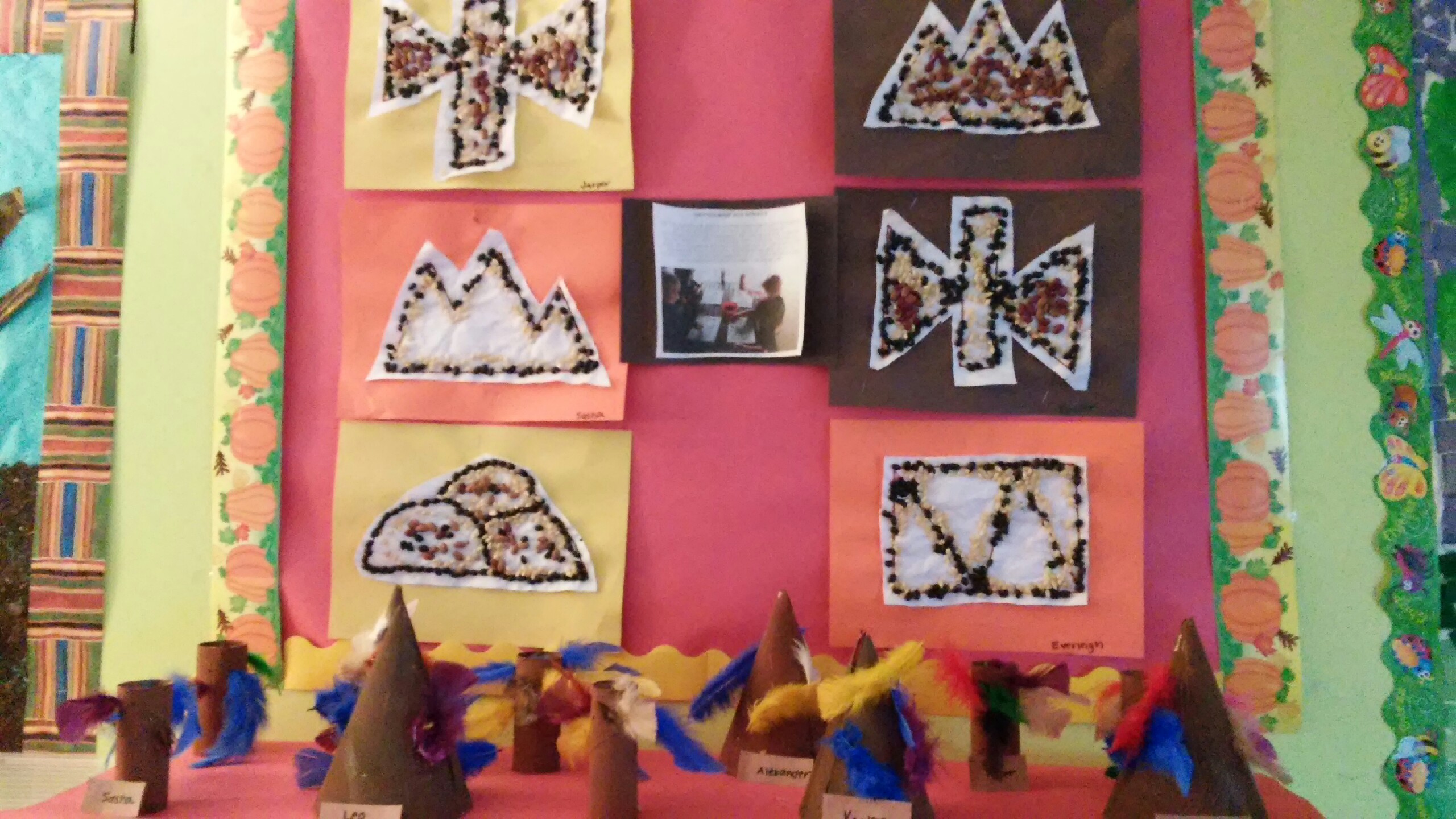
Petroglyphs are rock carvings (rock paintings are called pictographs) made by pecking directly on a rock surface using a stone chisel and a hammerstone. When the “desert varnish” on the surface of the rock was pecked off, the lighter rock underneath was exposed, creating the petroglyph.

20141117_153121-11 (1)

It is estimated 90% of  petroglyphs were created by the ancestors of today’s Pueblo Indians. Puebloans have lived in the Rio Grande Valley since before 500 A.D., but a population increase around 1300 A.D. resulted in numerous new settlements. It is believed that the majority of the petroglyphs were carved from about 1300 through the late 1680s.

20141121_1601321

The arrival of Spanish people in 1540 had a dramatic impact on the lifestyle of the Pueblo people. In 1680 the Pueblo tribes rose up in revolt of Spanish rule, and drove the settlers out of the area and back to El Paso, Texas. In 1692 the Spanish resettled the area. As a result of their return, there was a renewed influence of the Catholic religion, which discouraged participation by the Puebloans in many of their ceremonial practices.

20141118_1011281

As a consequence, many of these practices went underground, and much of the image making by the Puebloans decreased. A small percentage of the petroglyphs found pre-date the Puebloan time period, perhaps reaching as far back as B.C. 2000. Other images date from historic periods starting in the 1700s, with petroglyphs carved by early Spanish settlers.

Hopi Sun Symbols

Hopitu-shinumu (Hopi) means Peaceful People; this serves as a background to understanding their use of symbols. The Hopi were expert craftspeople, and exhibited competent agricultural skills.

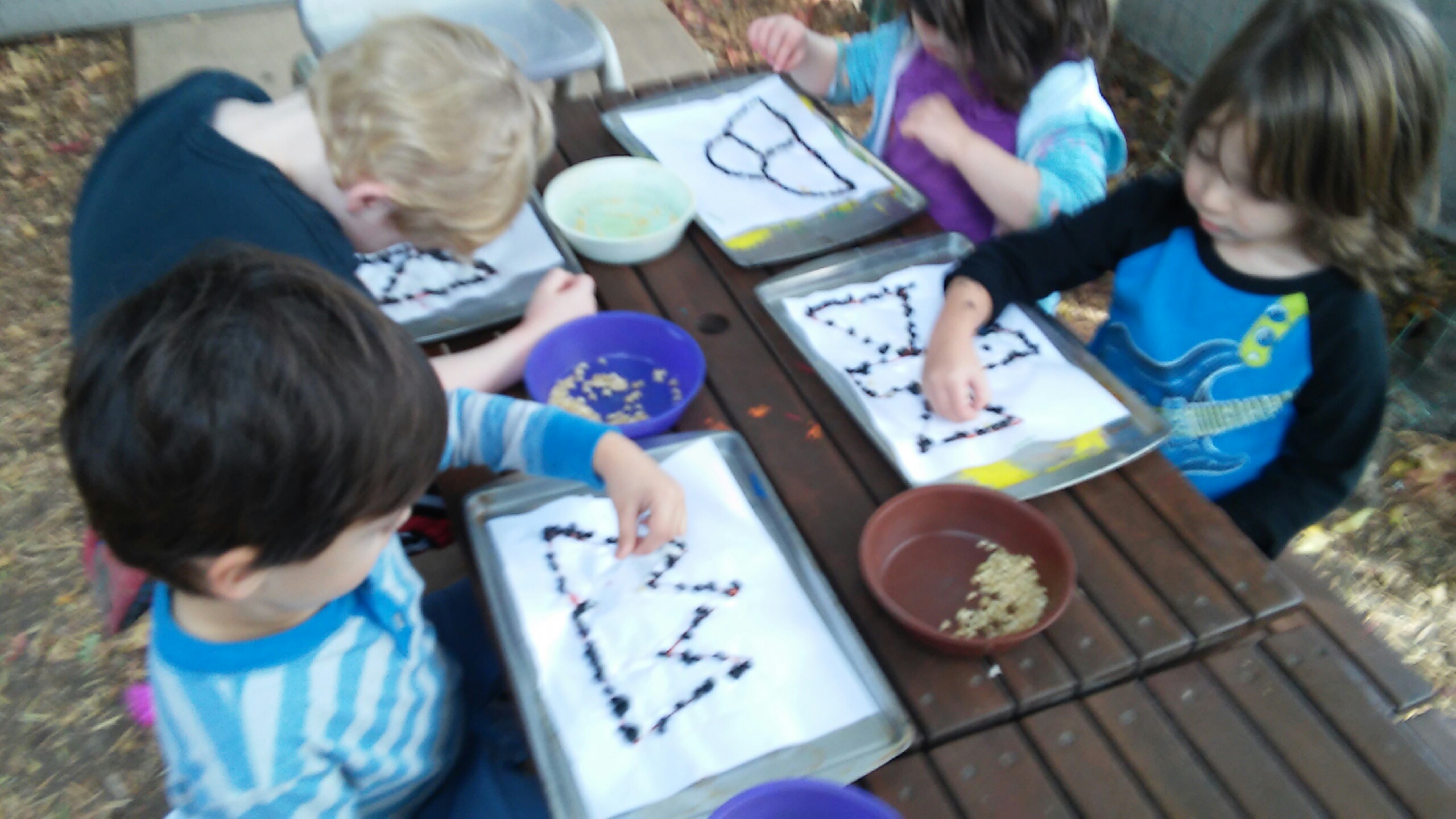
20141117_0956191

Their connection with the land, cultivating, and harvesting was regarded as superior to other tribes. Specifically, their ability to skillfully coax yielding corn from the desert sands was commended by all. This connection to earth, and nature was constantly exhibited in Hopi symbols.

20141118_1646021

Art was a way of life for the Hopi; it expressed their visions, beliefs and dreams to themselves and others. As artisans, they incorporated their Hopi symbols into an array of dazzlingly beautiful baskets, weavings, and pottery.

20141118_1649001

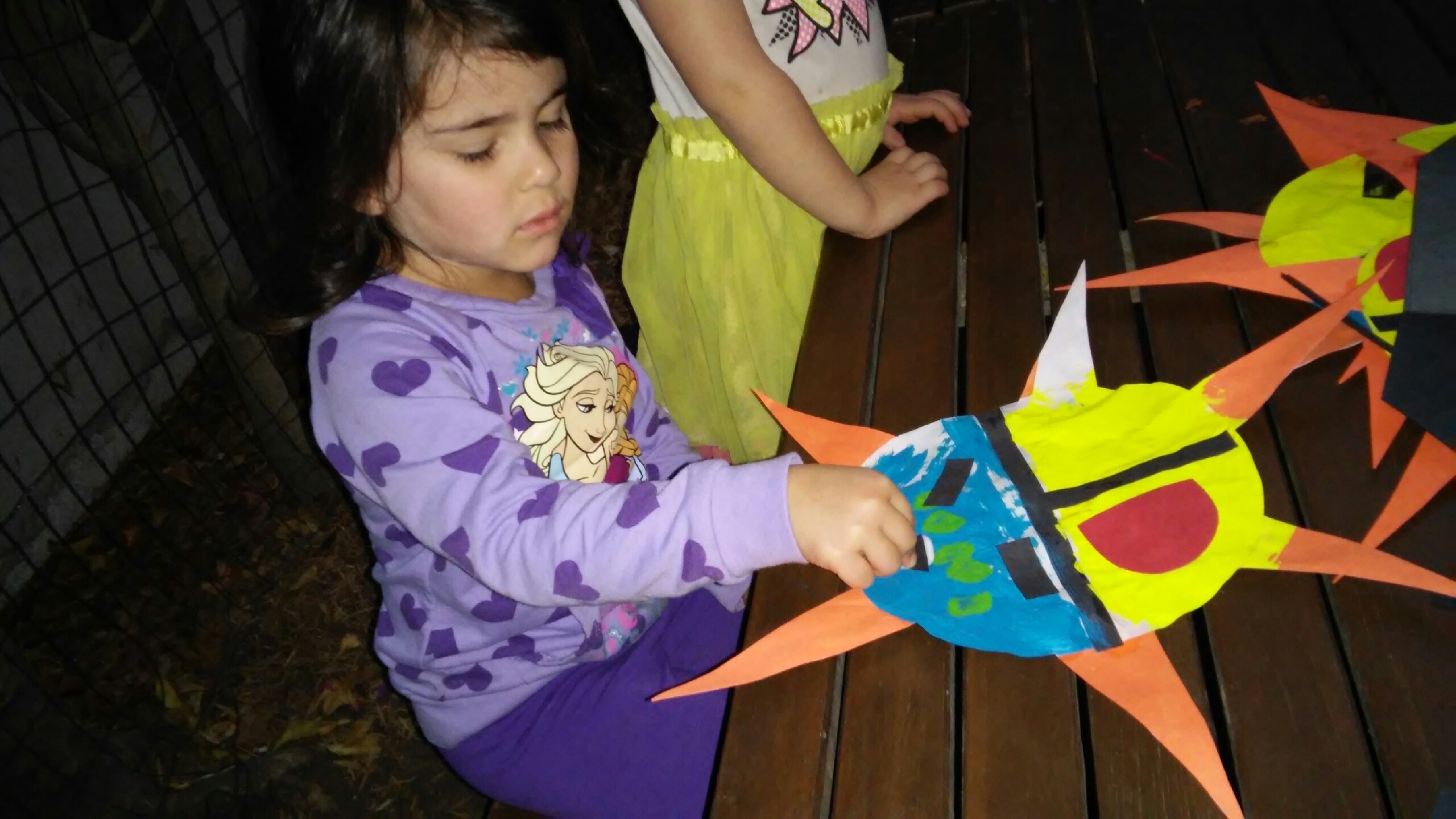
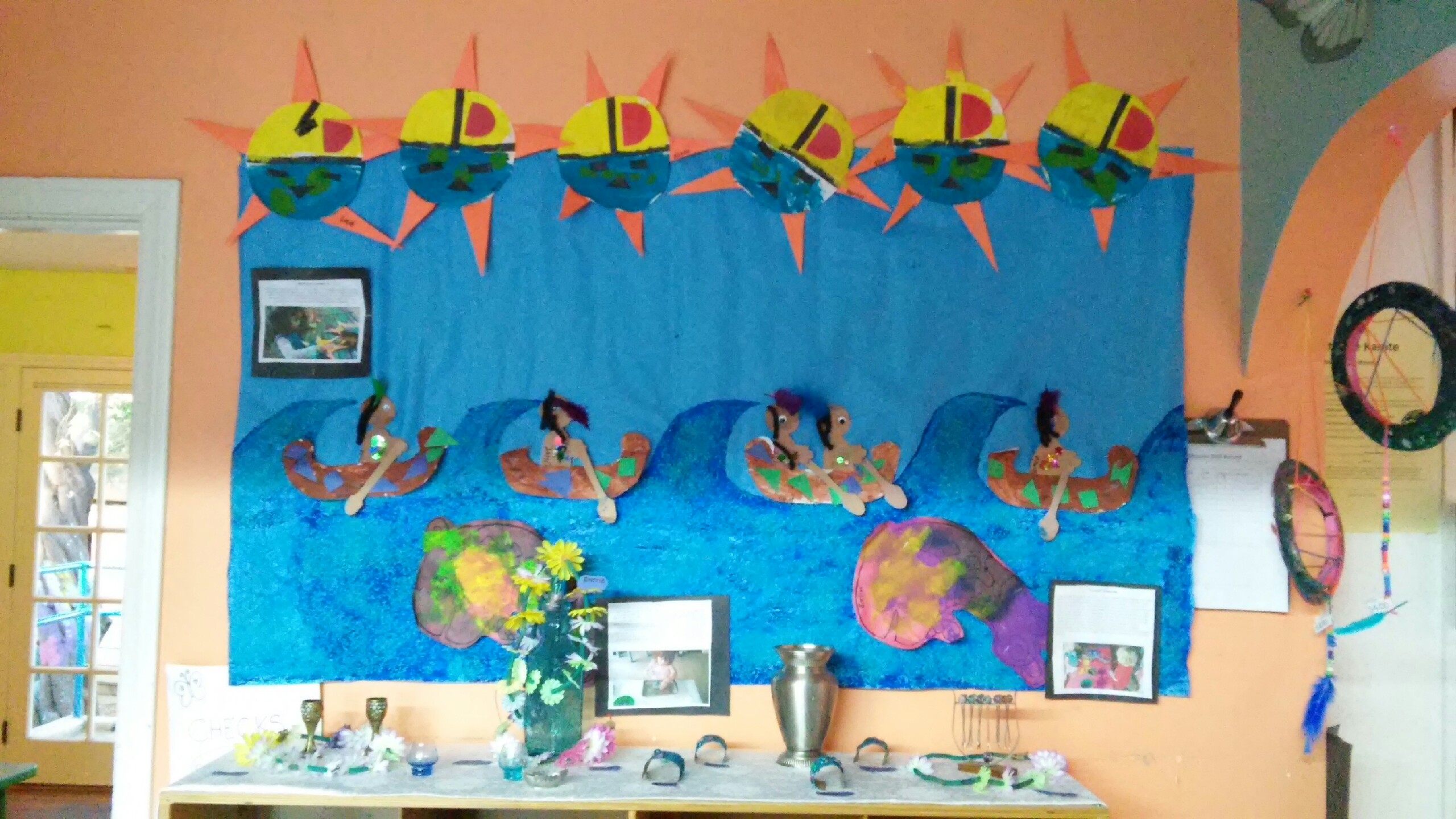
The Hopi sun symbol was a symbol of creative and natural energy. It was important because of Hopi’s dependence upon it for the growth of corn, and other sustaining crops. The sun symbol represented the heart of the cosmos and dealt with vitality and growth.

20141112_1705191

20141121_1603051

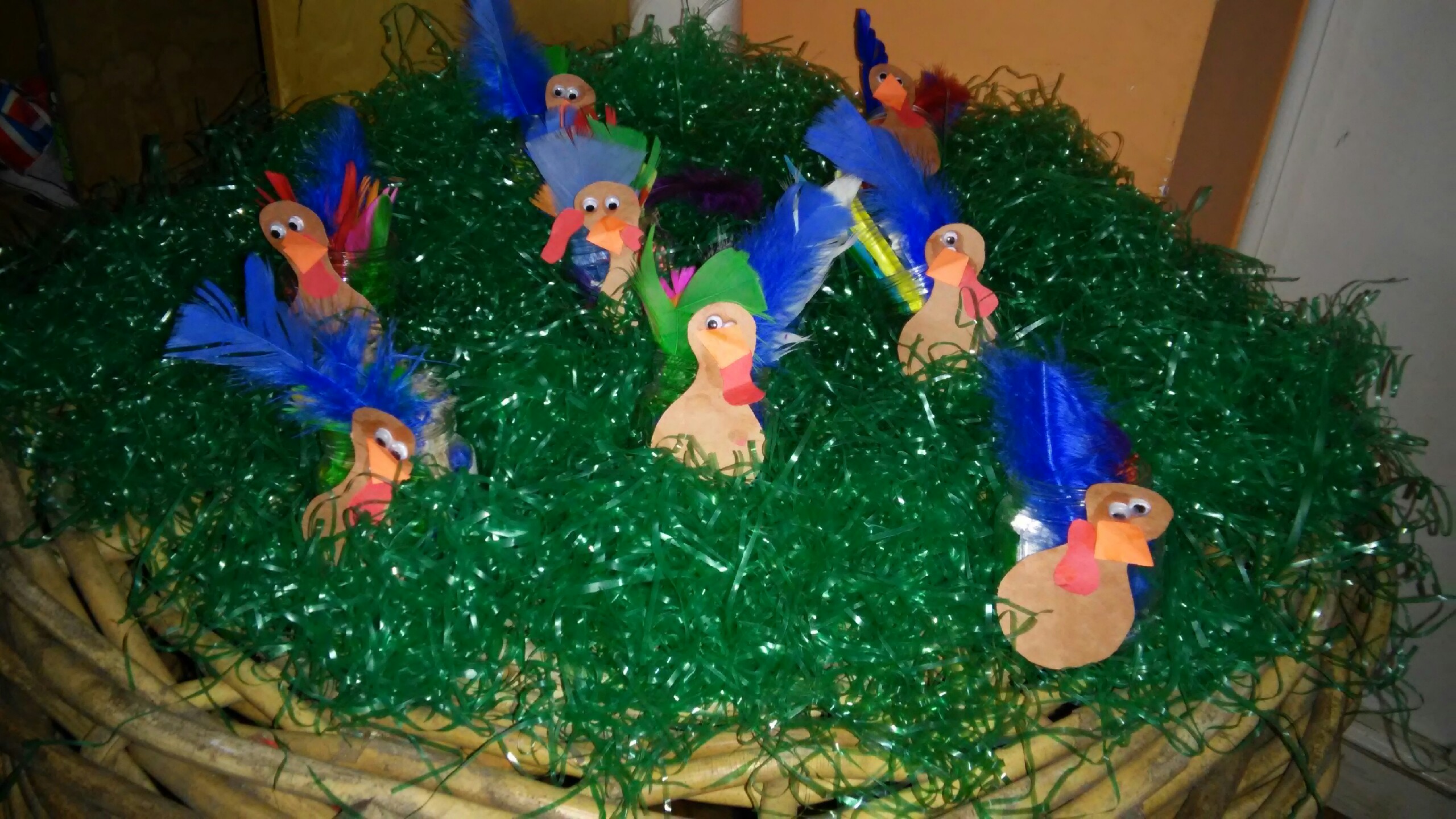
Turkey Jars

While turkeys today conjure up thoughts of bountiful roast meat meals and deli sandwiches, Native Americans were not driven by their dinner needs. The domestic turkeys were initially raised for their feathers, which were used in rituals and ceremonies, as well as to make feather robes or blankets.

20141117_1202251

Only later, around the 11th century, did the domestic turkeys become an important food source for the Ancestral Puebloans. The connection to today’s domestic turkeys is a complicated one, because when the Spanish arrived in the New World, they transported the Aztec turkey breeds from Mexico to Europe, where they were a huge hit. Over the following two centuries, several varieties of turkey were developed in Europe. And then in the 18th century, these European turkey breeds were imported back to the United States, where they eventually became the forerunners to the turkeys we eat today.

20141121_1603401

Drum Circle and Pow Wow

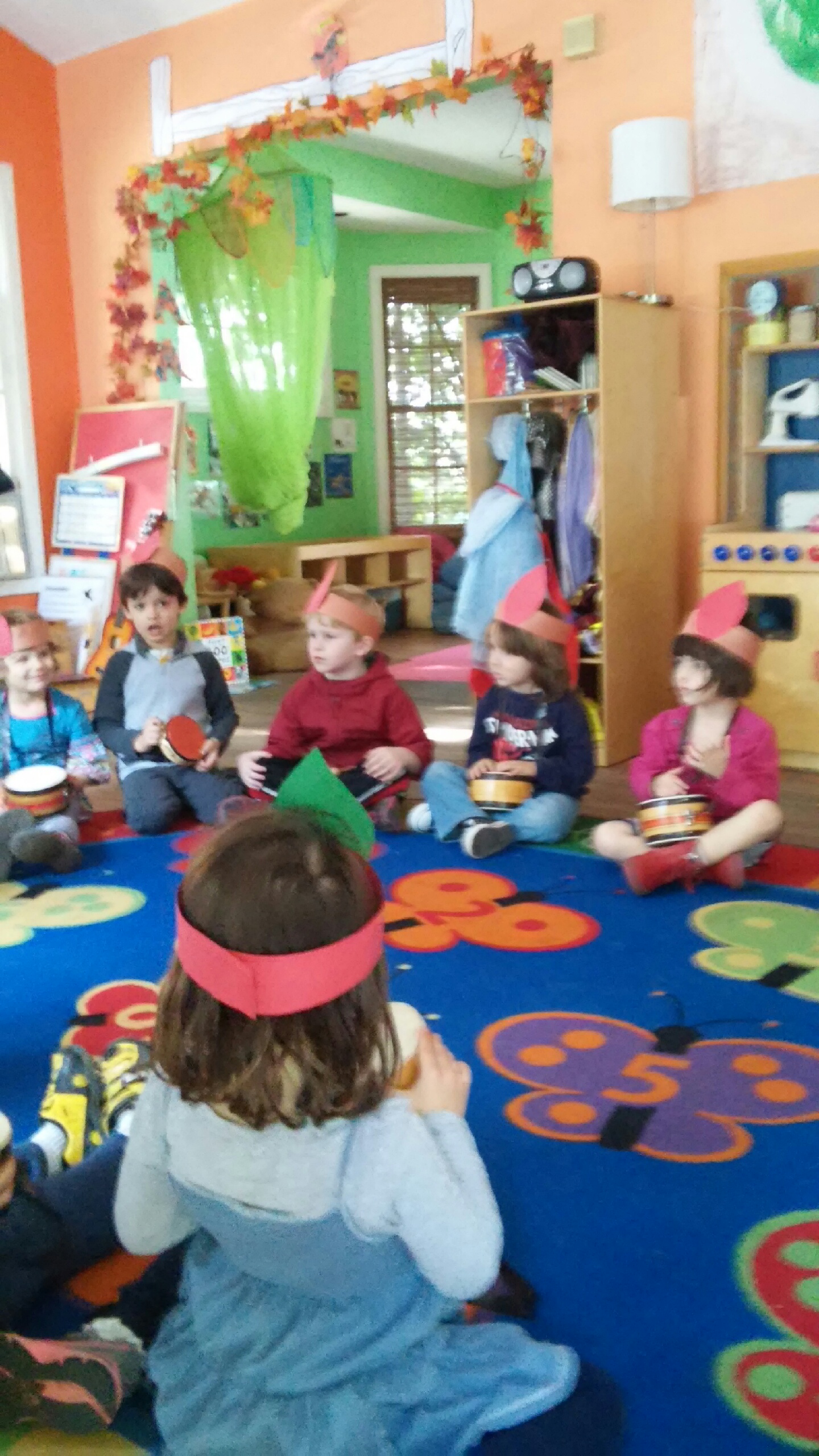
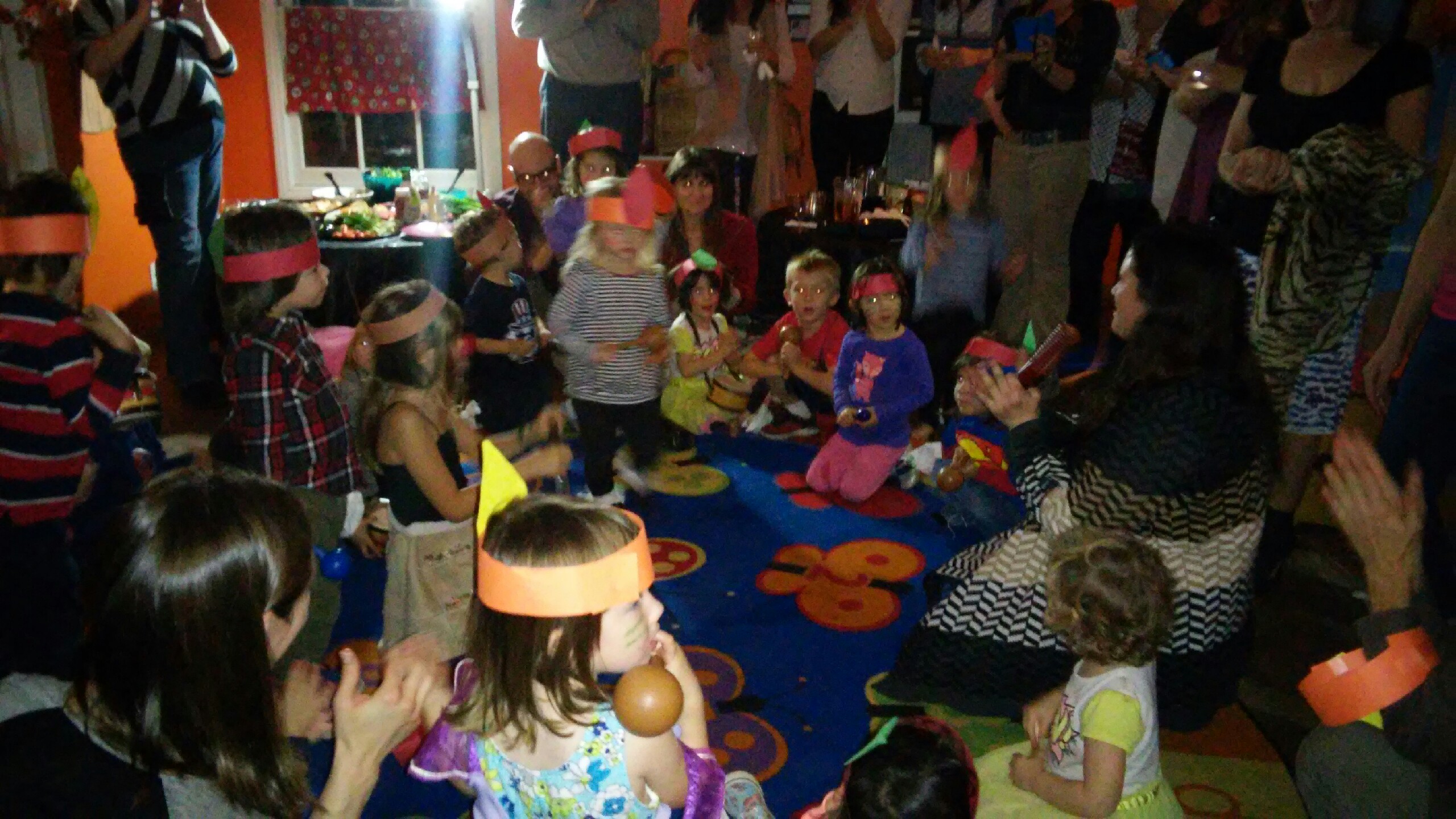
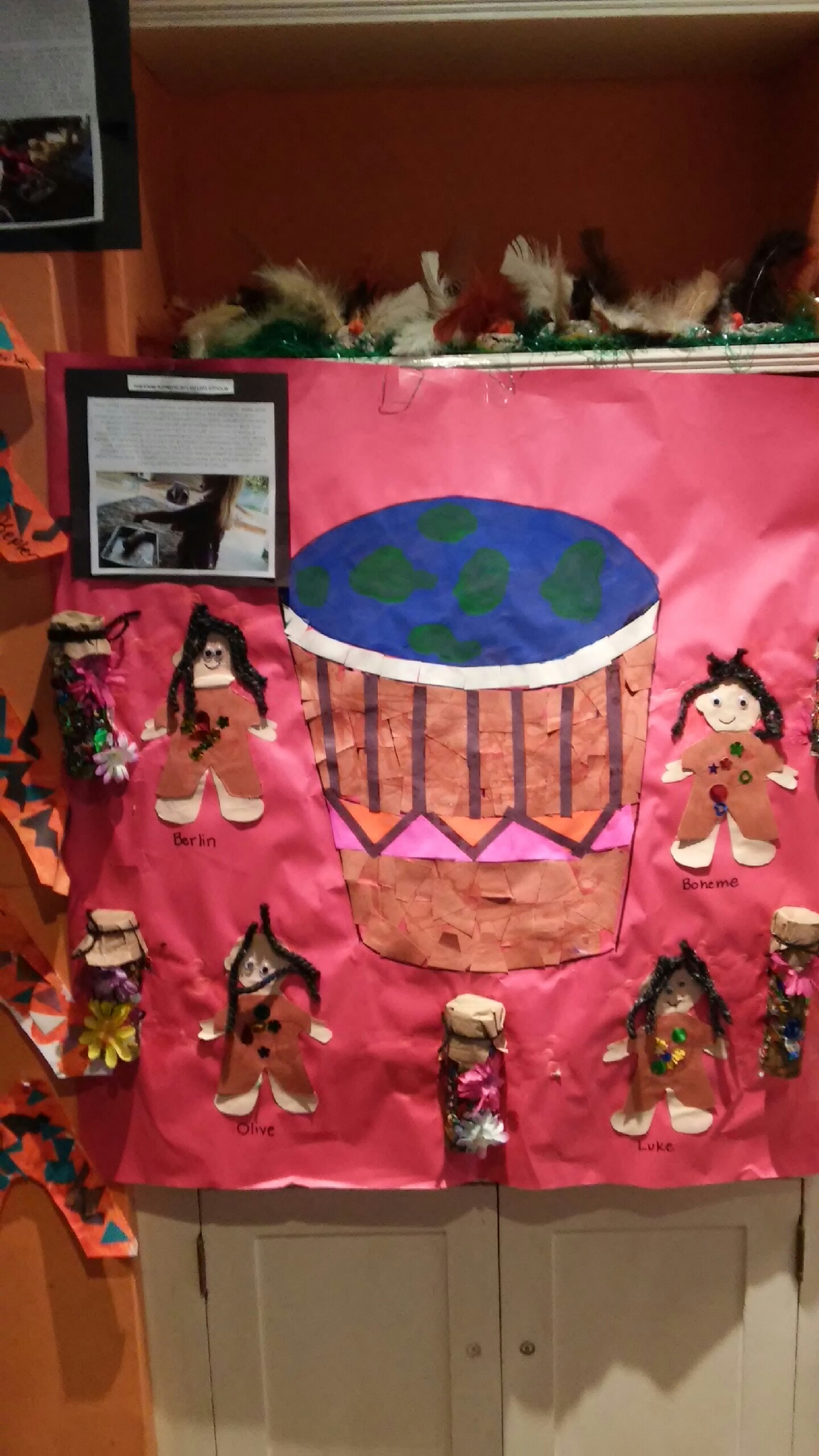
The most important Native American instrument was and still is the drum, as you can tell by going to any pow wow or Indian event.

20141106_1136391 (1)

Different tribes have different traditions about the drum and how to play it, but the basic construction is very similar in most tribes: a wooden frame or a carved and hollowed-out log, with finely tanned buckskin or elkskin stretched taut across the opening by sinew thongs.

20141119_1028361

20141106_1622291

Traditionally American Indian drums are large, two to three feet in diameter, and they are played communally by groups of men who stand around them in a circle.20141121_1727161

Pow wows are the Native American peoples’ way of meeting together – to join in dancing, singing, visiting, renewing old friendships, and starting new ones.

20141113_1053411

Pow wows were needed to help drive away sickness, ensure success in battle, interpret dreams, or to help individuals or tribes in other ways.

20141121_1604141

Prayers, singing, dancing and drumming were all used by pow wows in those ceremonies; and wherever Native American people gathered there was feasting, socializing and trading.

20141118_1108531

So, the gatherings themselves came to be called pow wows.

20141117_114739-11

Tipis

The Plains Indians were nomadic hunters of buffalo. This meant that they had to follow the buffalo herds when the animals moved from place to place, looking for fresh grass to eat. This required that they be able to unpack and move to another location quickly. They needed a shelter that was portable, durable and water resistant. The tipi was perfect for that. Made of brain tanned buffalo skin, the tipi was water resistant and easily disassembled.

20141107_1020531

The tipi’s structure consisted of lodge pole pines placed and secured in a cone. Then 14 to 20 buffalo hides were sewn together in a circle with sinew, and stretched across the poles with a smoke hole at the top. A flap was designed to enter and exit the dwelling. The firepit inside the center of the tipi served to provide warmth. Beds were placed against the tipi walls and buffalo furs served as rugs. The tipi was lined in the winter for warmth and privacy.

20141107_1021091

The structure lasted an average of 10 years. When the tipi was replaced, the old one was made into clothing or patching material for other tipis.The outstanding characteristic of the tipi was its portability. It took women only minutes to disassemble the tipi and transport it by horse. Tipi hides, poles, and household articles were placed on a device known as a travois and dragged behind a horse. Before they had horses, they used to make smaller tipis, because the tipis had to be carried by or dragged behind a dog.

20141107_1021131

A skin tipi might last two to three years, depending upon the amount of traveling done, and the weather during its use. New covers were very light in color. As time went on, the top portions became darkened with smoke from the fires inside, even though the fires were kept small. After replacing the cover, the old one was cut up for moccasin soles and other useful items. Leather of this kind was nearly indestructible and permanently waterproofed because it had been so thoroughly smoked.

20141107_102304

Totem Poles

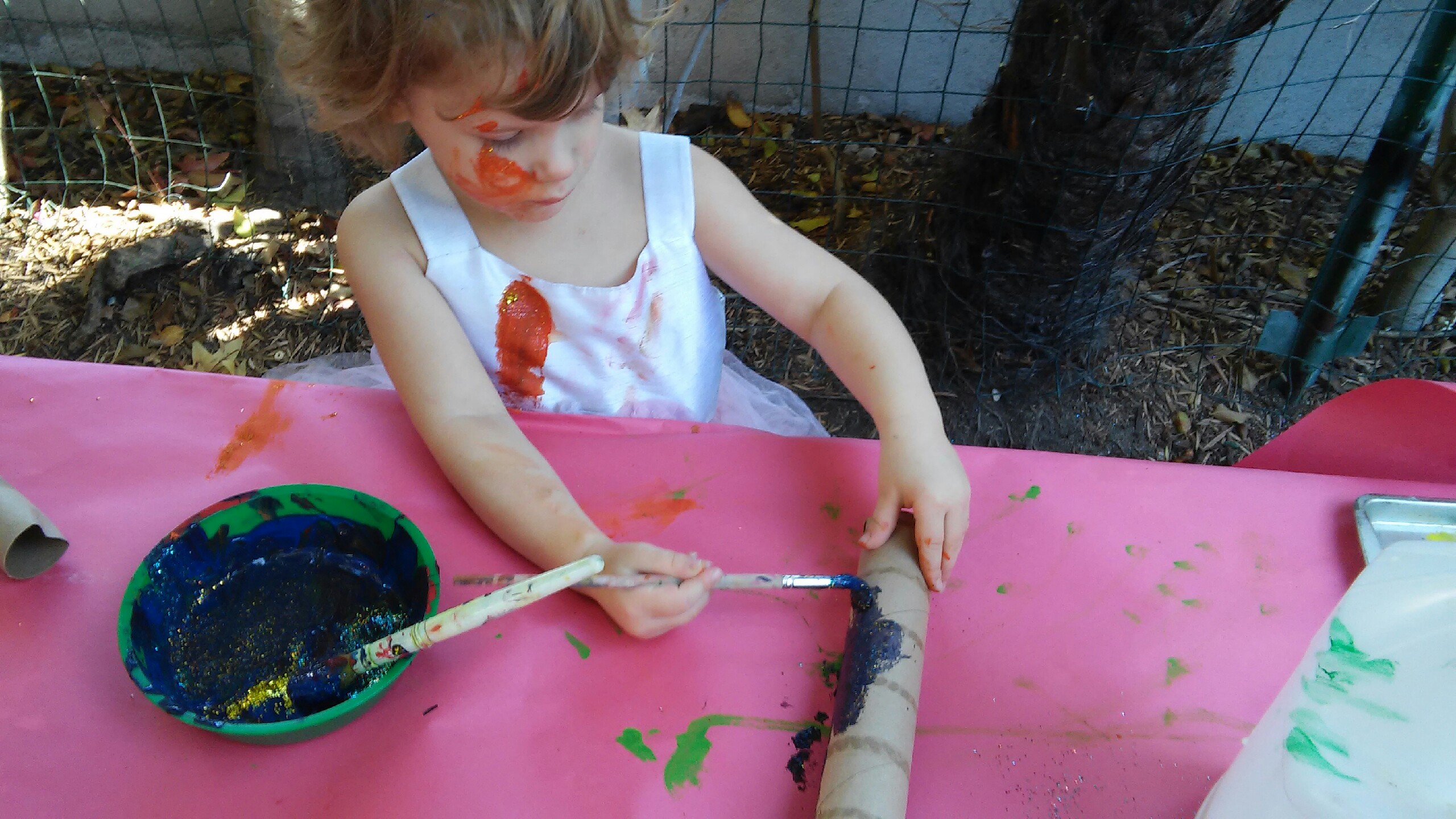
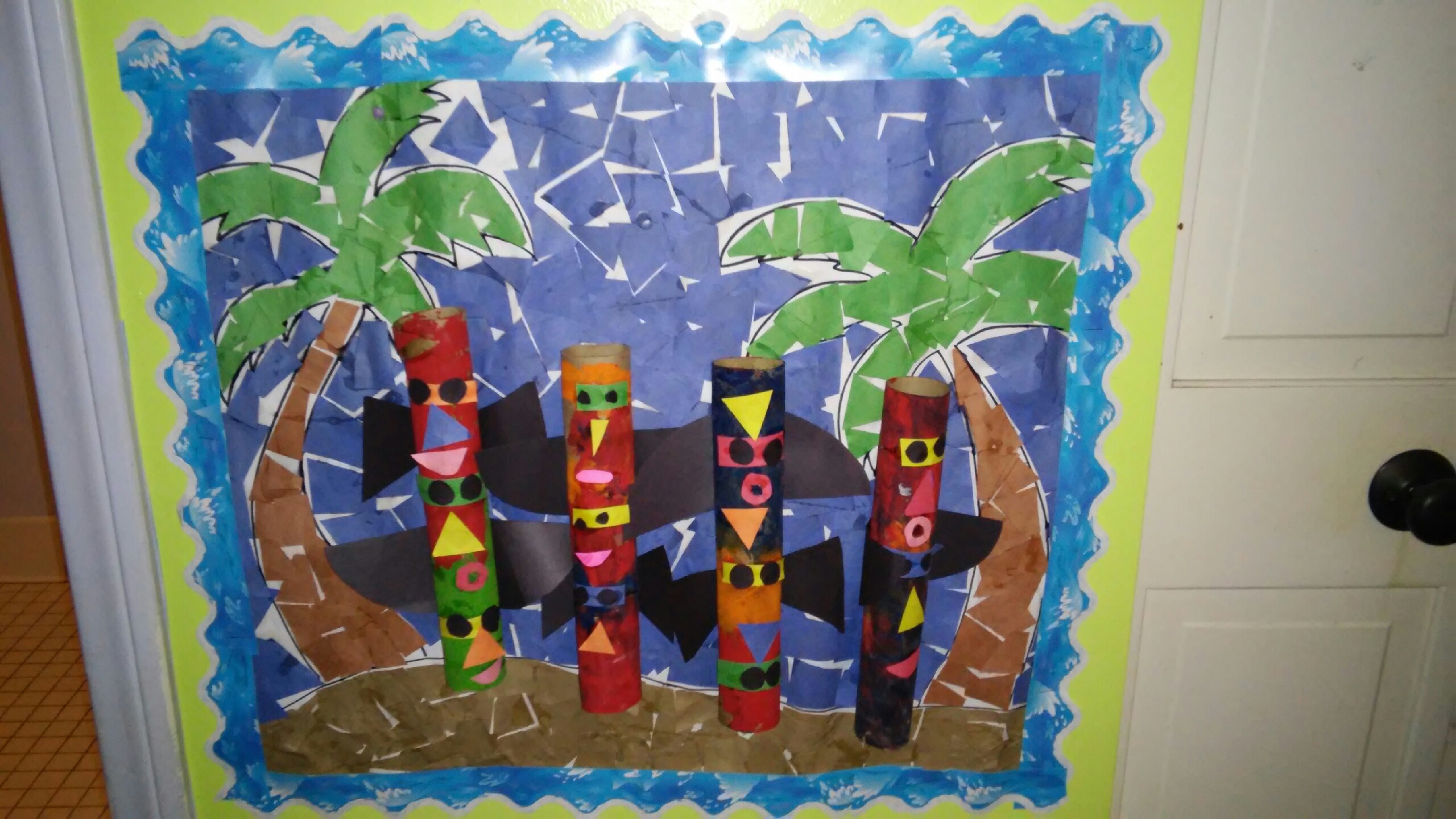
Many Native American Indians expressed themselves with their artwork carved into totem poles. Many believe that all Indian tribes carved totem poles but this is far from the truth. Those Indians living in the southwest, the plains and Inuit Indians did not have trees to carve. Long ago totem poles were found to stand 40 feet tall. Today Indian artists continue to carve trees but some are short and used in homes as decoration. True Indian carved totem poles take quite a bit of work, craftsmanship and time to produce. This means that an authentic Indian carved pole will cost more than $500 per foot.

20141117_1032151

The raising of a totem pole is a big celebration among the Indian tribe. A hole is dug to stand the pole in. The pole is carried to the site in a ceremony which often hundreds attend. Ropes will be used to raise the pole into place. Singing and dancing to drums accompanies the pole raising. Often poles are raised this way before the carving begins.

Many have believed that totem poles are religious symbols but this is false. Carvings will represent the tribal nation and will convey the tribes’ history. Many times the story of a totem pole will be passed down from generation to generation. Having the story documented will help keep this tradition recognized in our history.

20141120_1724541

Totem poles held messages by those that carved them. Carvings were symbols that may tell a story of the carver, such as his part not just in his own family but his standing within a tribe. Carvings such as an eagle could mean pride in his tribe. Often traditions and tribal life were carved into the pole. Carving totem poles is a tradition among many Indian tribes, especially those tribes that lived along the Pacific coast where forests grew. Many totem poles no longer exist because of decay and rot. Today these poles are still being carved and enjoyed by collectors.

20141117_103222