Sea Creature Hopscotch

Gross motor control refers to the large muscles of the body. The development of these skills are important for school readiness.
IMG_2272

Children acquire gross motor skills by practicing a new movement until they have it mastered, and then moving on to a new one.
IMG_2275

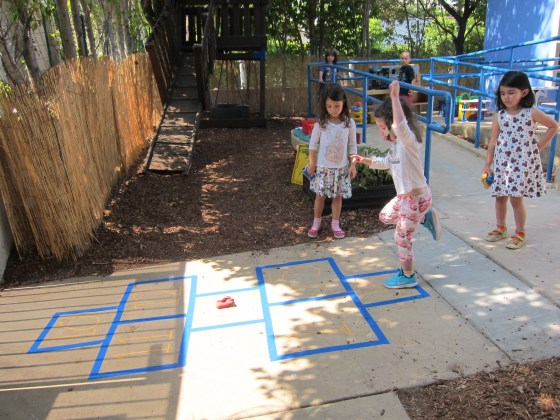
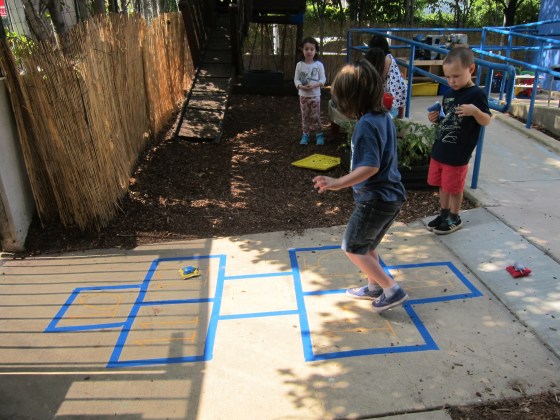
For this activity, we practiced the gross motor skill of throwing and spatial orientation.

IMG_2284

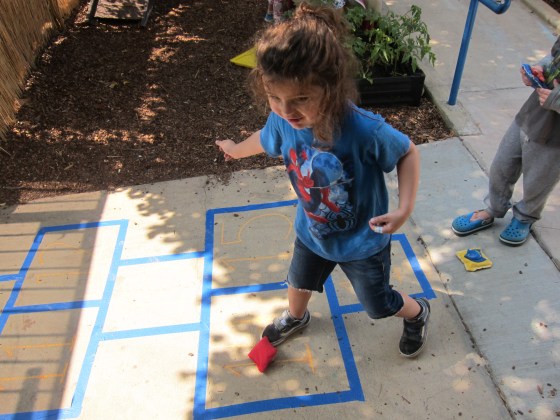
Using colored beanbags with pictures of sea creatures on them, we tossed them onto a hopscotch grid, and then hopped to the number it landed on.
IMG_2283

Because we are always integrating our domains into one another, we also included a math component to this activity.

IMG_2279

Your little ones were learning about numbers 10-16 throughout the month of our Under the Sea theme, so we used some of those numbers on our grid!

IMG_2277

As their beanbag landed on the correct number, students were encouraged to shout out the number before they hopped to it.

IMG_2264

Sea Creature Garland

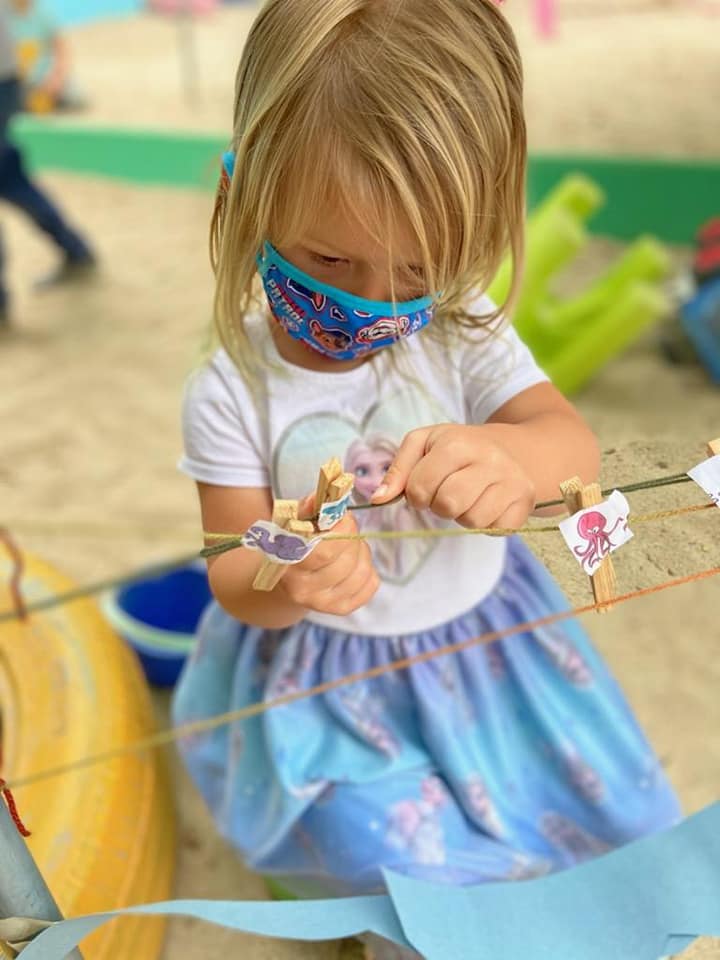
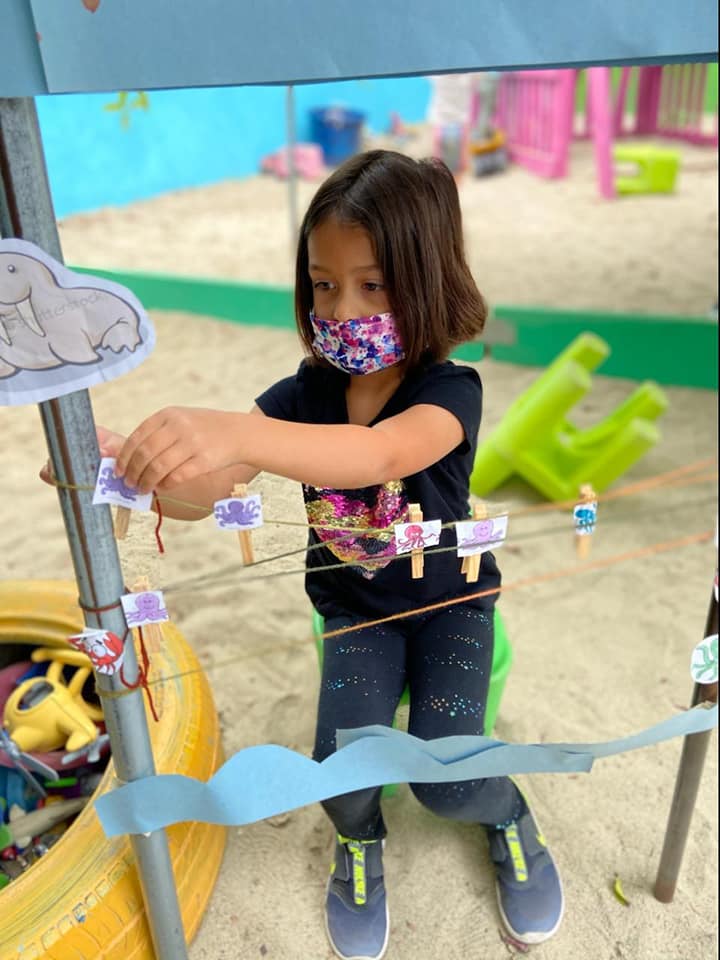
Using yarn and clothespins (with pictures of sea creatures on them), we created our very own ocean garland!

This was a collaborative group project, and your little one enjoyed making our front yard a little more festive by attaching clothespins onto blue yarn that represented the ocean! This activity incorporated several developmental domains.

When attaching the clothespins to the yarn, your little one was practicing fine motor control and hand eye coordination.

IMG_2238Simple hand-eye coordination techniques, such as weaving, beading, and manipulating small objects, are a great way to help your little one learn how to control their mind and their hands.

These skills are transferable to literacy, and when your little student is then exposed to holding a pencil, crayon or pair of scissors, the coordination will be in place.

F is for Fish

Literacy can be fostered in many different ways within the preschool curriculum. In our classroom, we read, write, draw, and sing about letters. Each week, your little one is introduced to one letter relating to the monthly theme.

IMG_2191

During the course of the week, students participate in a variety of activities surrounding that particular letter. For the week of the fish, we talked about the letter F.

IMG_2197

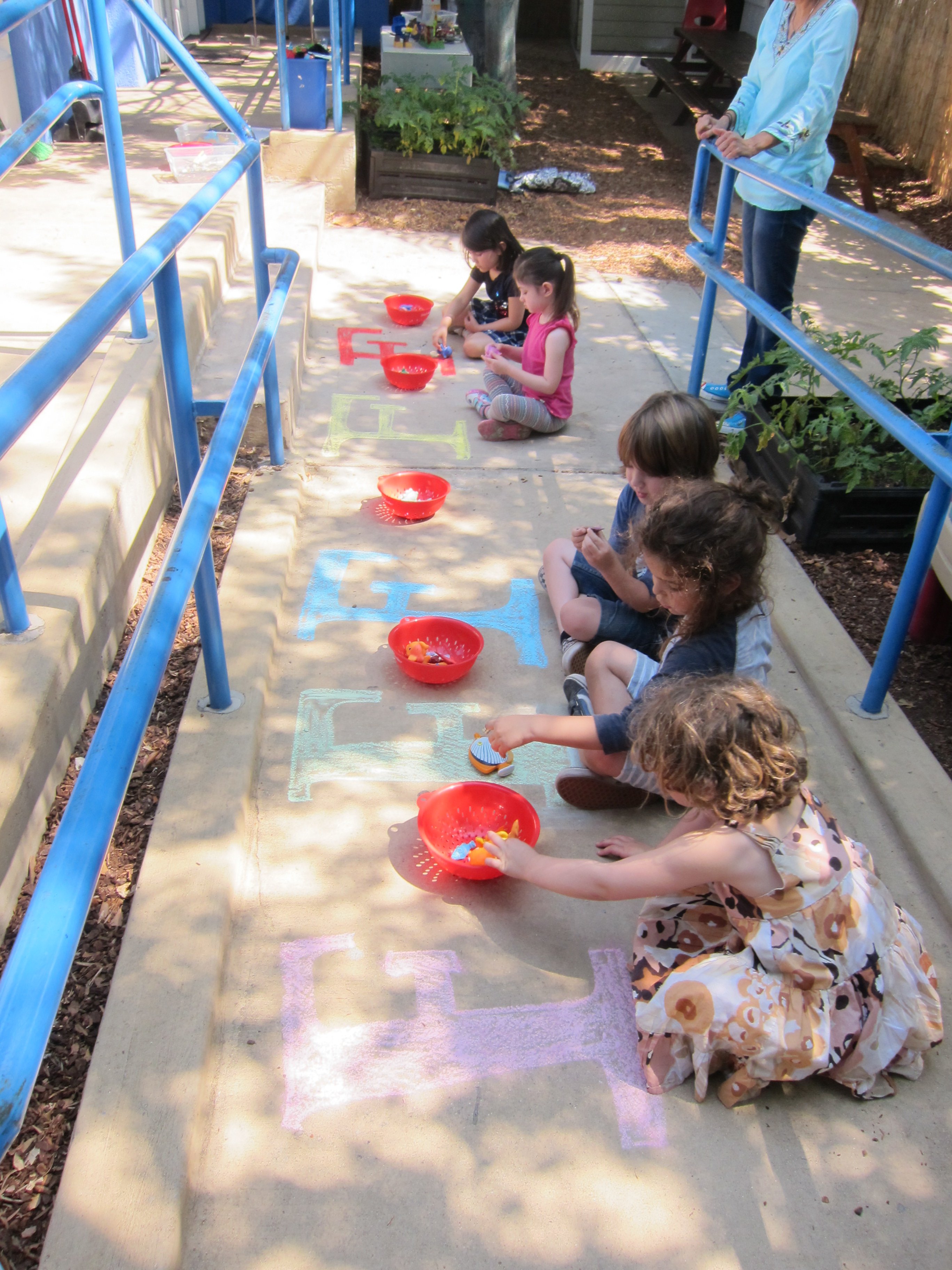
To encourage their understanding of this exciting letter, we wrote large Fs (with Miss Carrie’s help) on the sidewalk with chalk. Students then “filled” these letter Fs in with toy fish.

IMG_2200

Shark Habitats

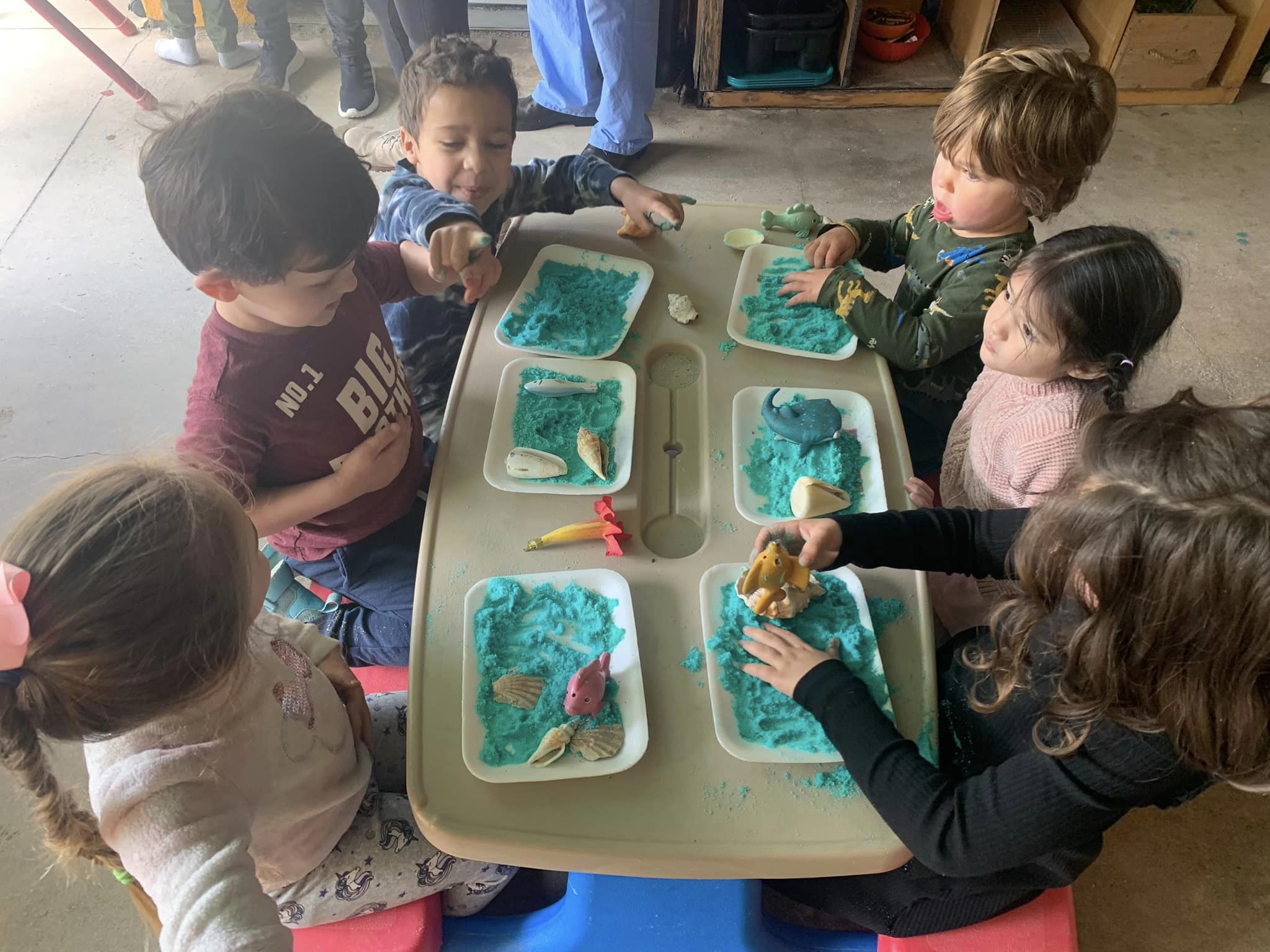
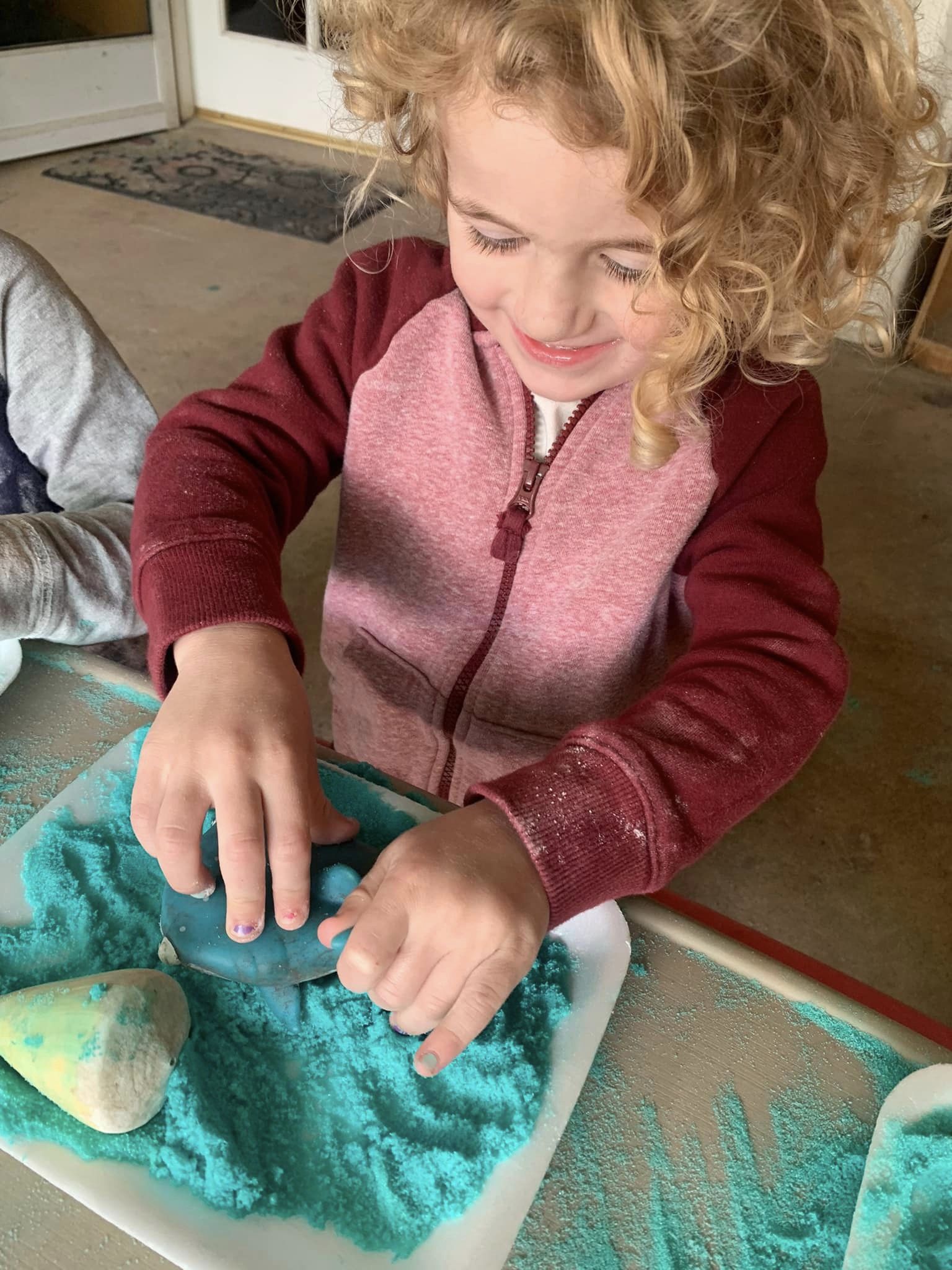
Using seashells, play dough, and toy sharks, we created an ocean habitat for one of our favorite sea creatures: the shark!

We began this activity with a discussion of the shark, where they live, what they eat, and how they survive within their slippery environments!

This kind of play involves all of the senses. It is called sensory play, and we use it in our classroom all of the time! Why do we love this kind of play? For many reasons! For one, sensory play allows children to form mental images about what they are seeing.

IMG_1612

Adults already do this naturally, but in young children, it is still developing.

Sensory play also involves the combining of different materials. These combinations are very important for the scientific exploration of cause and effect.

Sensory play can also foster language and cognitive reasoning, as students create various dialogues for the characters in their sensory environments. For example, your little ones discovered that predatory sharks could be hidden by creating “hiding spots” with rocks. They communicated this to one another, and had to manipulate the rocks to hold their sharks down, as many of them floated and were unable to sink.

IMG_1604

Lastly, are the prosocial interactions that are fostered as a result of sensory play. These interactions develop as students discuss and share their experiences with one another.

Mariachi Vihuelas

Mariachi music is one of the few styles of indigenous music that serves both a utilitarian and an entertainment function.

IMG_1326 (1)

The mariachi band is used for many different occasions, such as dances, weddings, and funerals.

IMG_1330 (1)

It is not unusual to find the group serenading a young woman on the occasion of her birthday, celebrating a saint’s day, or singing to the mother of one of the band members on her birthday.

IMG_1335

People who enjoy mariachi music like it because it rekindles old memories, takes them to places that are far away, or brings back scenes of childhood.

IMG_1392

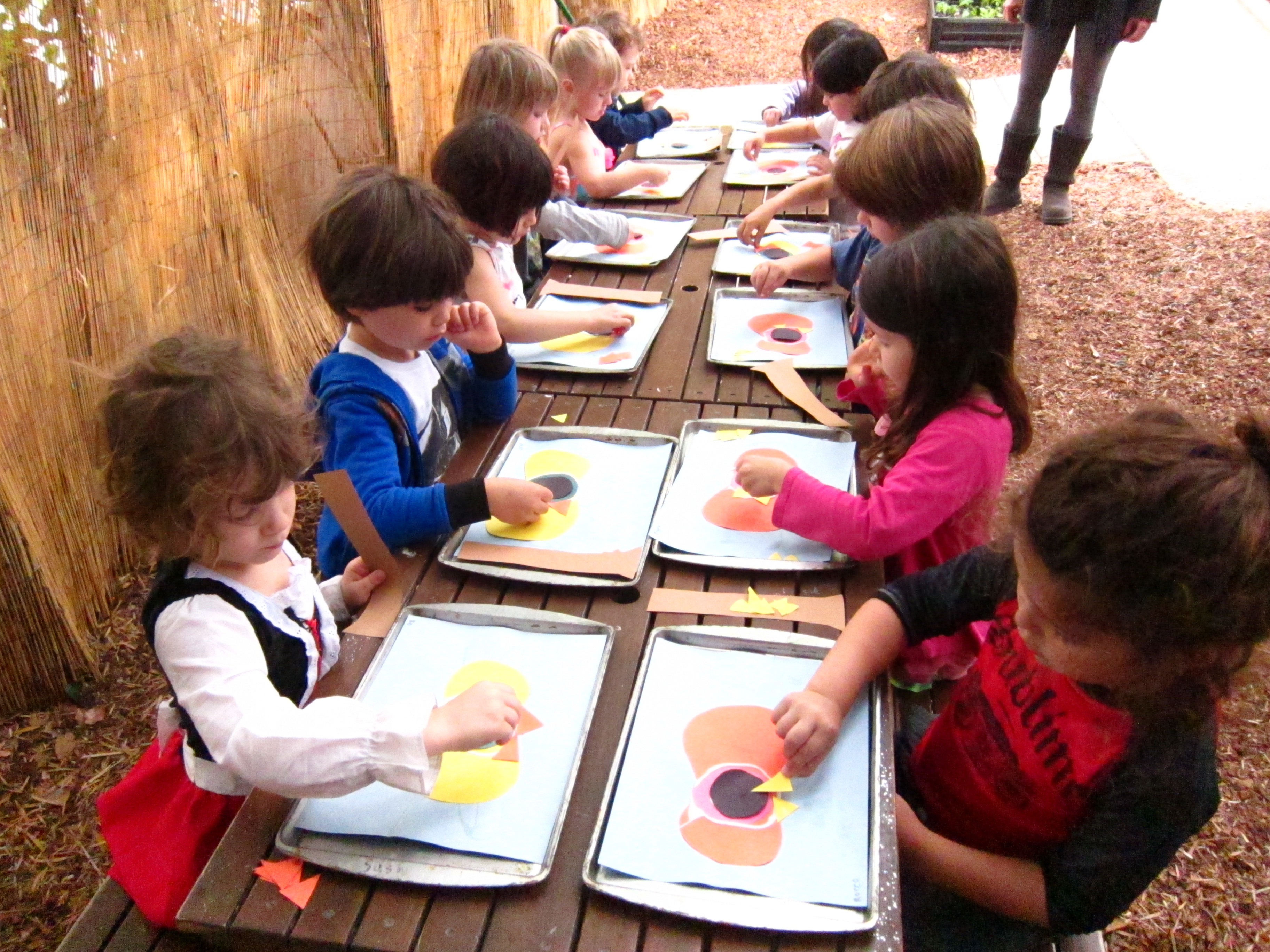
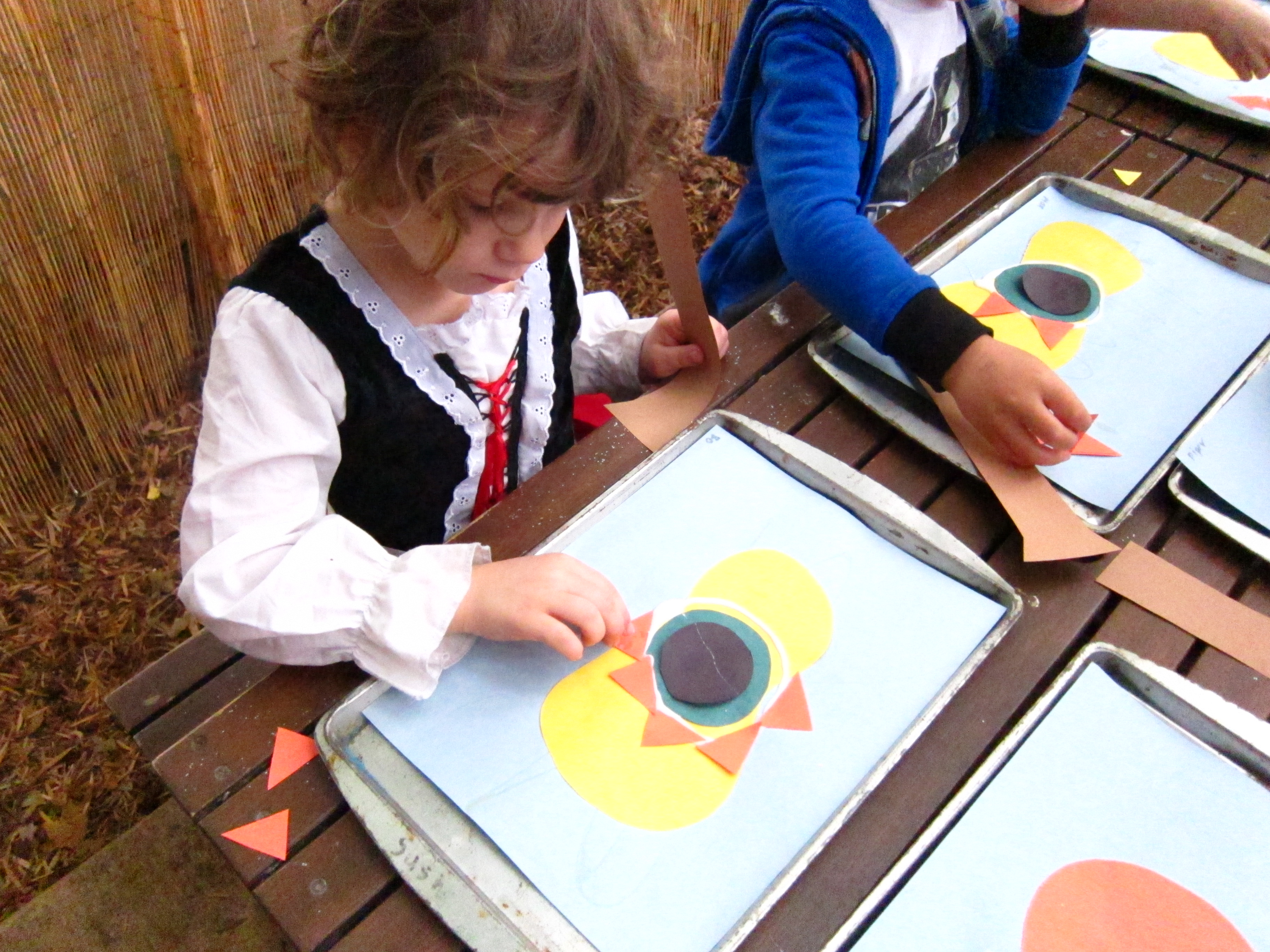
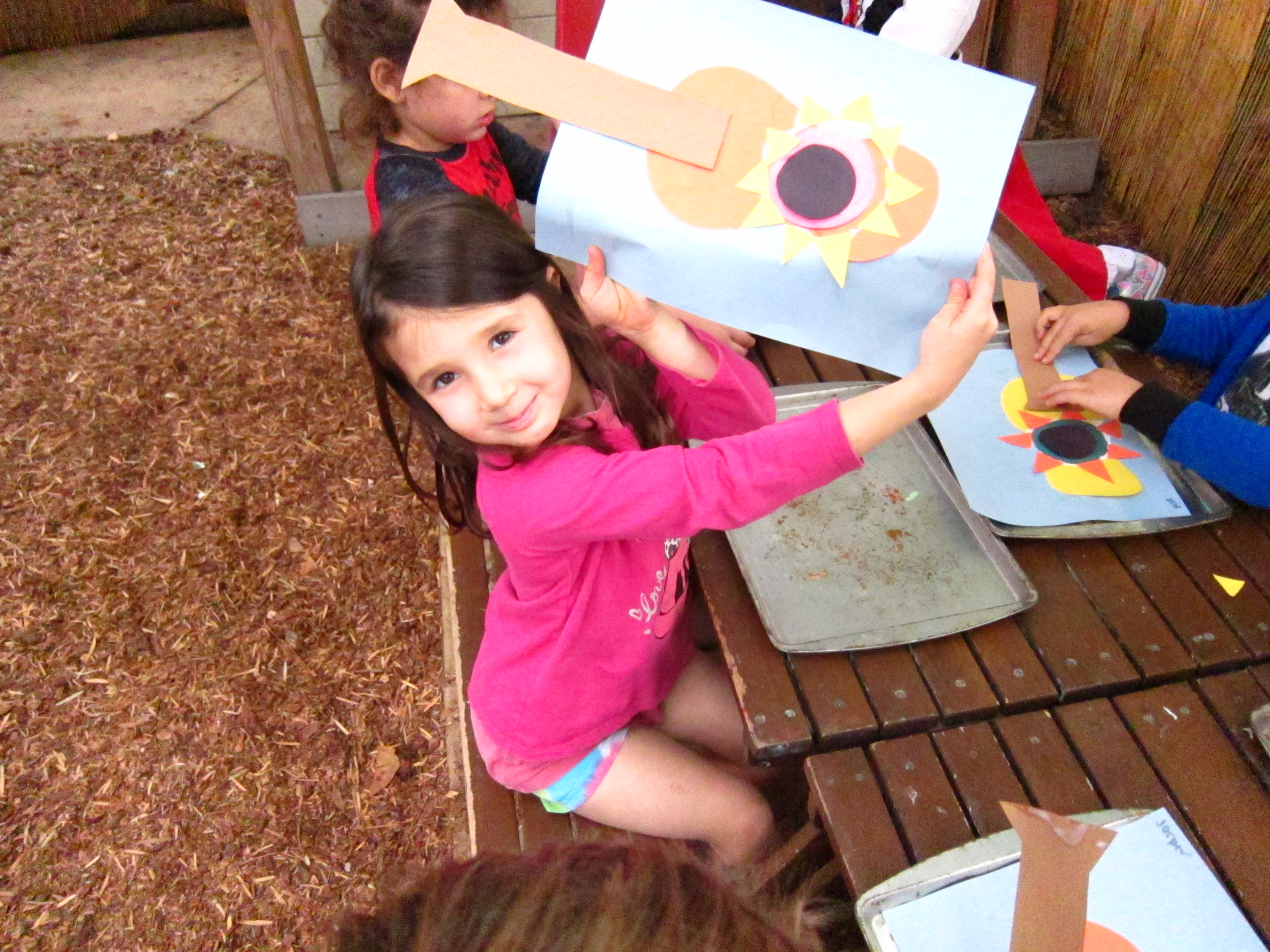
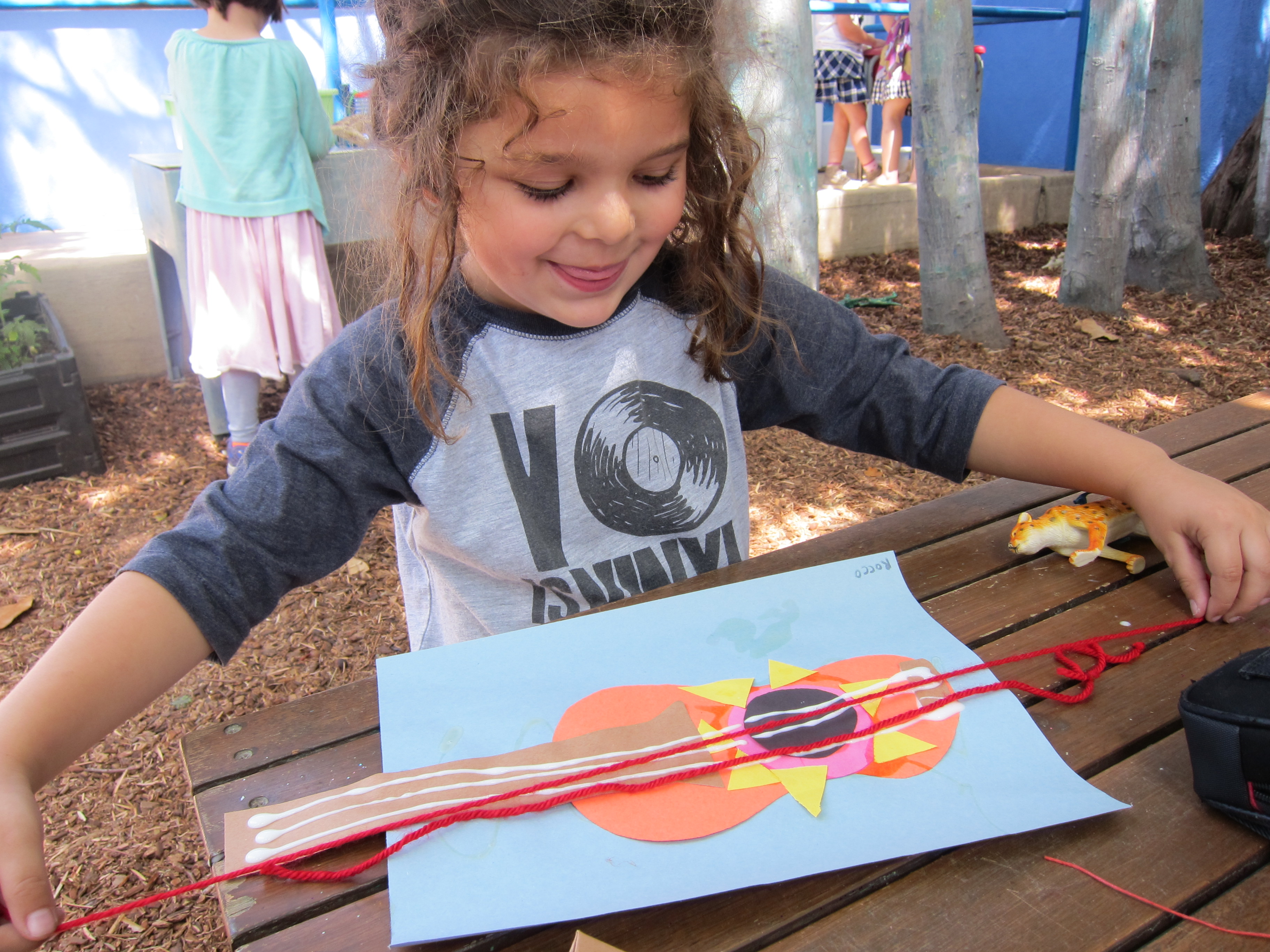
To help your little one understand the connection between Mexico and mariachi music, we both listened to and created our very own mariachi vihuelas!

IMG_1337

Two Cup Maracas

Maracas, also known as rhumba shakers, are a type of handheld instrument that are usually found in pairs.

IMG_1338

In shape they resemble a pair of rattles, with an oval-shaped head and a slender handle. They belong to the percussion family, a category of instruments that means “the hitting of one body against another.”

IMG_1342 (1)

Similar instruments found in this family include the conga, bongo, and timbale. Because maracas are musical instruments that are sealed and create a full, distinctive tone, they are also classified as idiophones.

IMG_1343 (1)

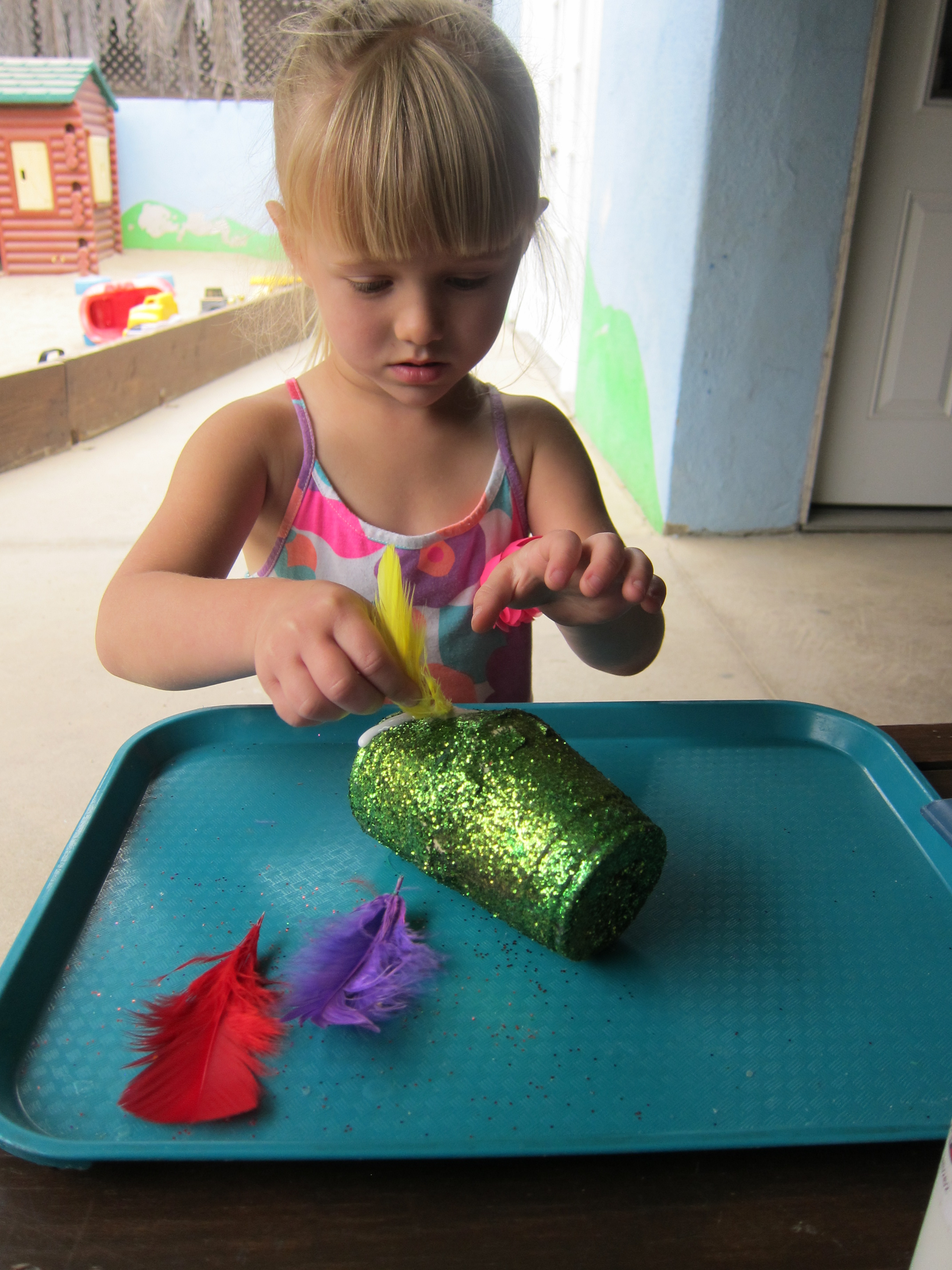
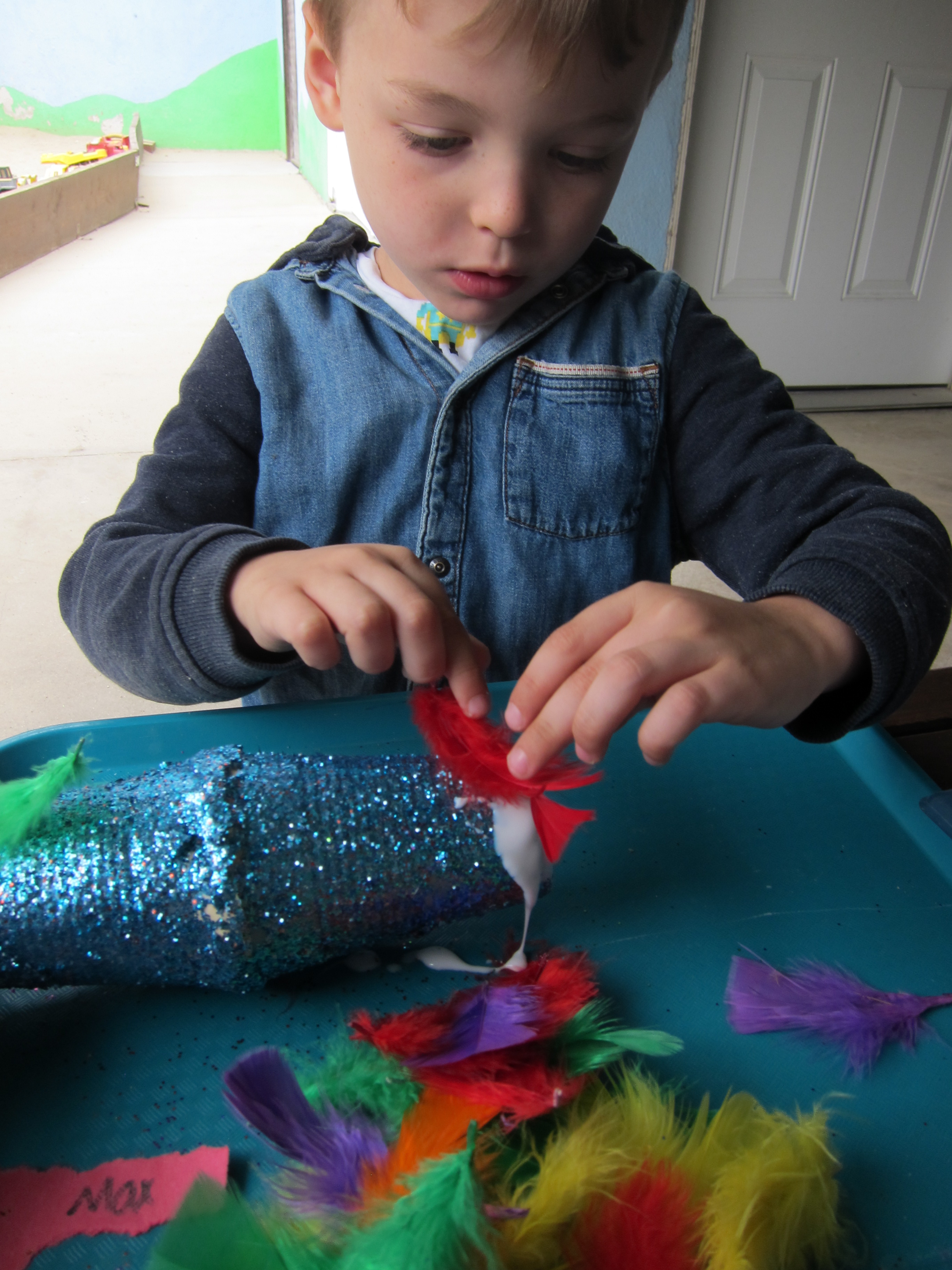
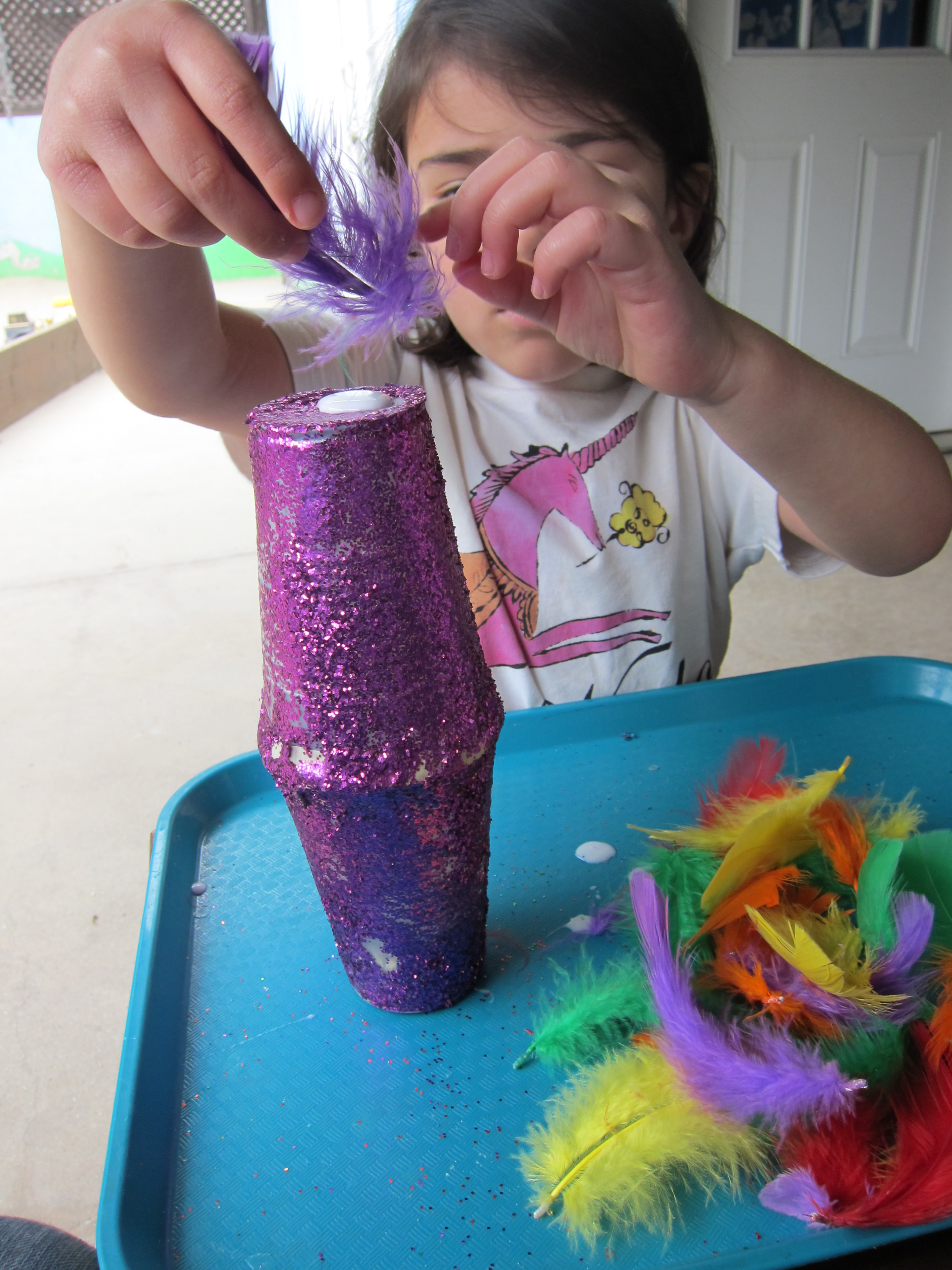
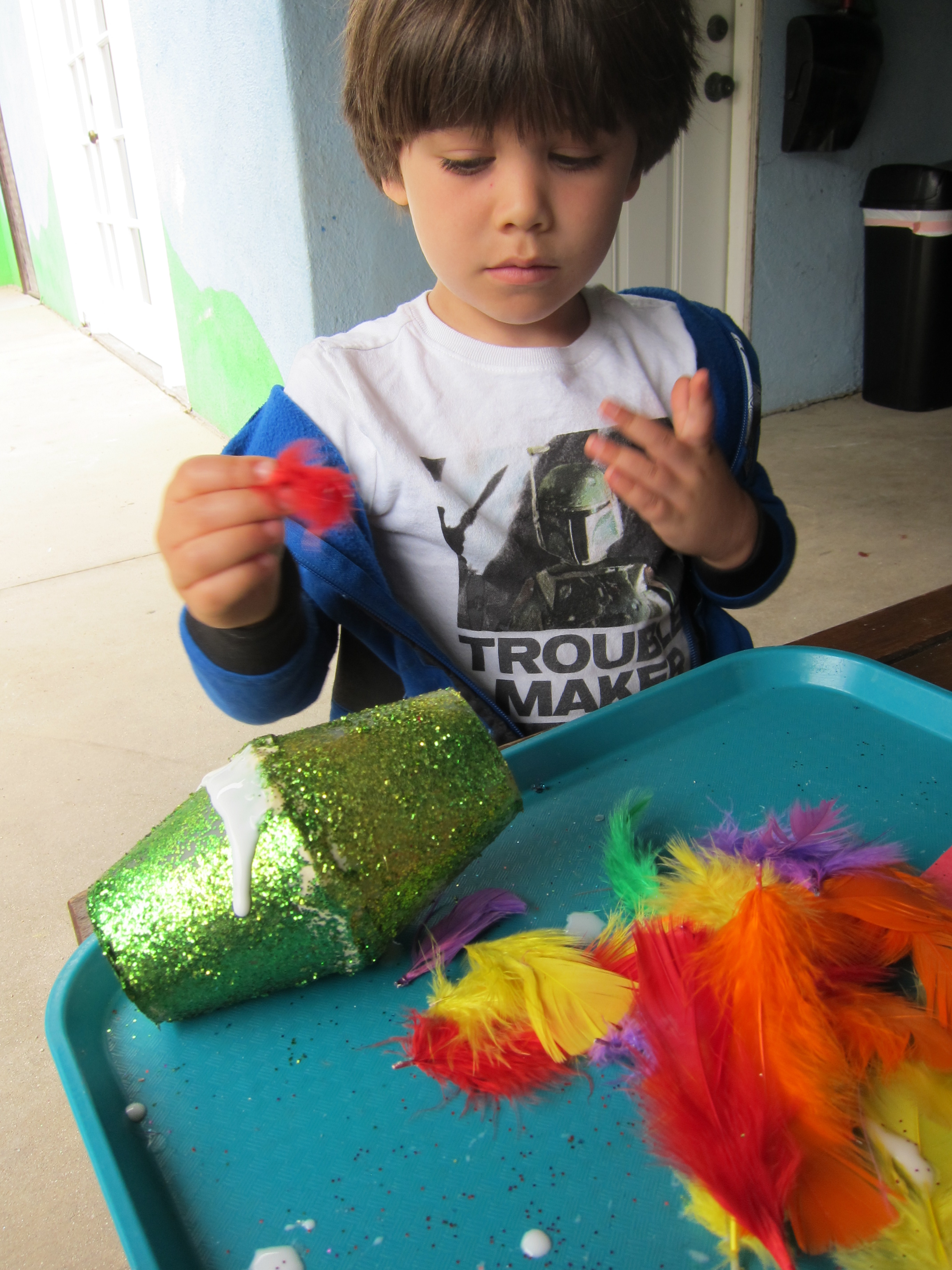
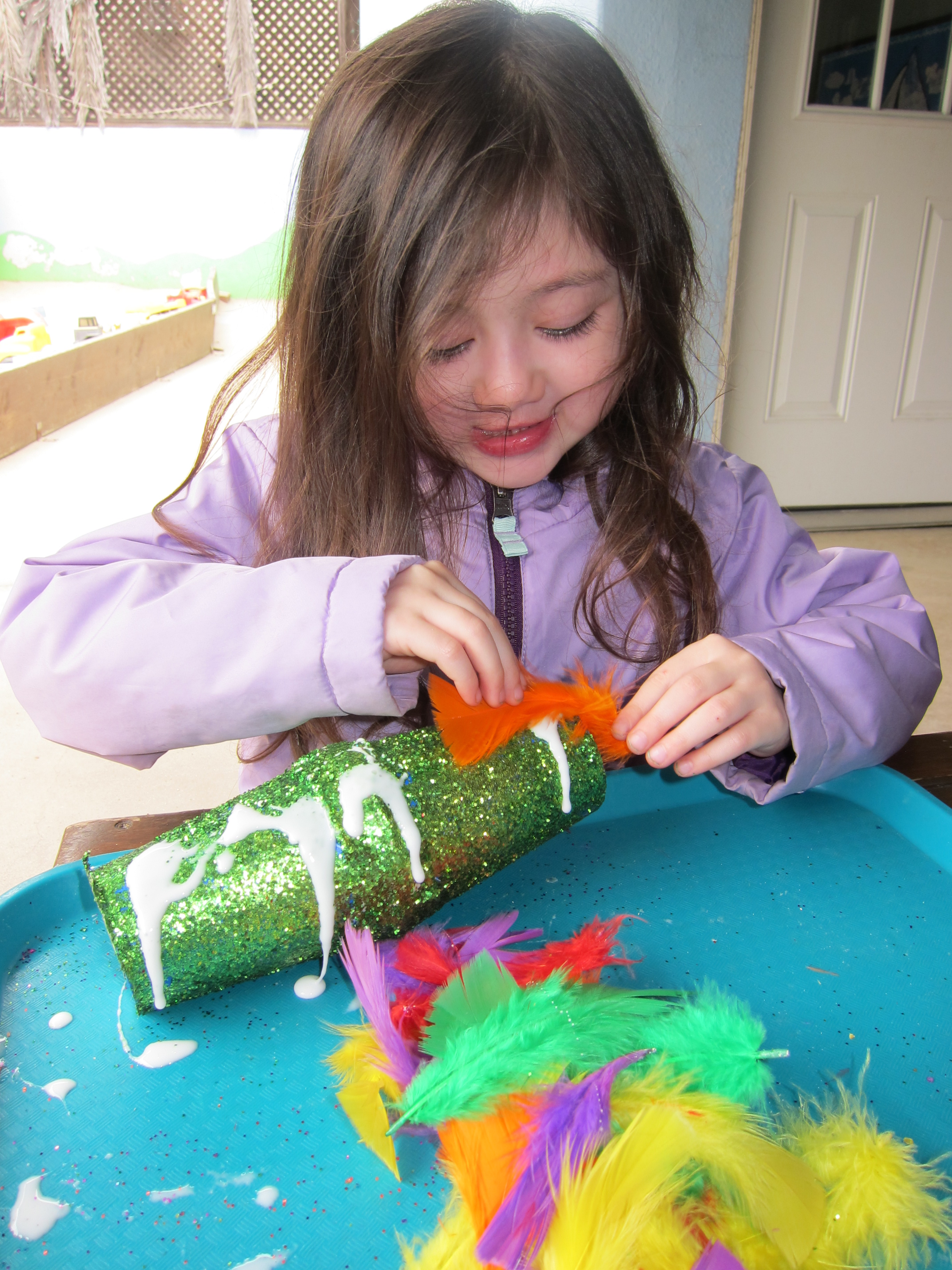
For this art activity, we created our own version of the maraca using two cups taped (and glued) together, glitter, feathers, paint, and paint brushes. Students first painted their cups. They added glitter, glue, and feathers.

IMG_1346 (1)

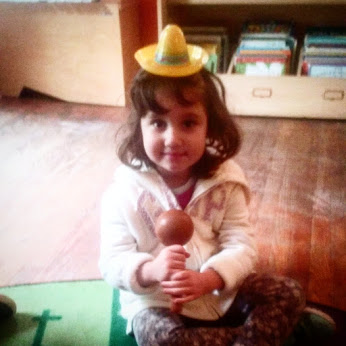
Following that, we put Mod Podge glue to act as an adhesive so that the glitter would stay on. Lastly, we played a song with our maracas called Cinco De Mayo, with a CD accompaniment.

IMG_1355

Mexican Hat Dance

Young children seem drawn to music, and from an early age, they will begin dancing when they hear it. While the physical benefits of dance are well-known, dance also brings social and emotional benefits, according to the National Dance Education Organization.
hat

Preschool children will learn social skills such as cooperation and peer interaction as well as building self-esteem when they are involved in dance experiences.

hat4

According to the National Dance Education Organization’s website, children learn movement patterns just easily as they learn language.

hat1

Often children dance before they are able to talk. Dance can become a way for young children to express their emotions in a way they might not be able to verbally.

hat5

When children are involved in learning dances, they are learning that their movements can tell a story and communicate ideas.

hat2

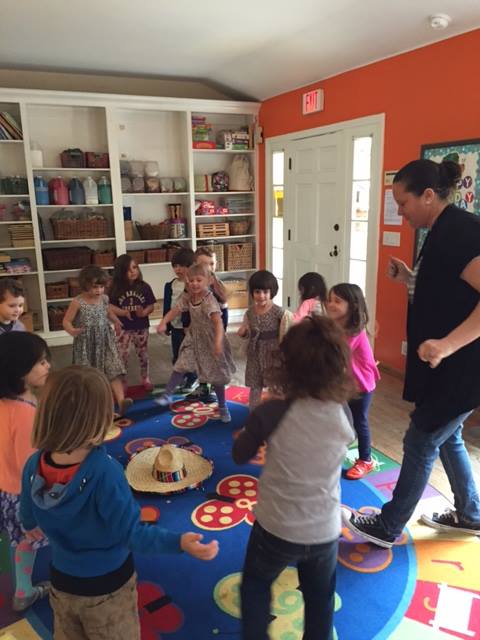
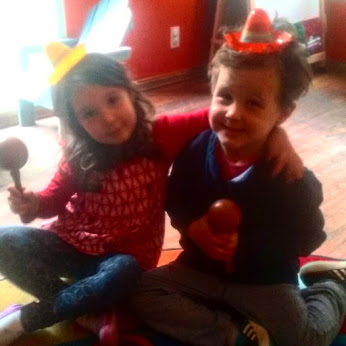
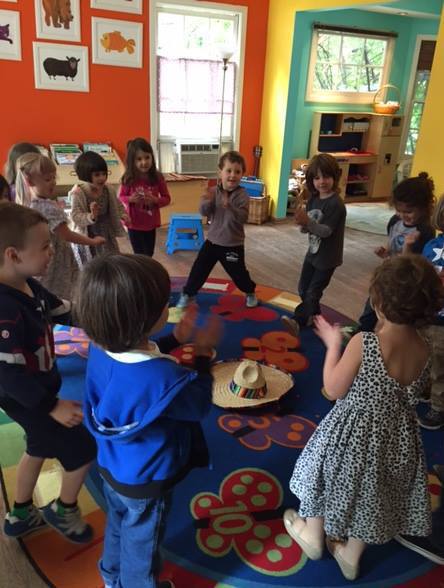
As the NDEO states, “To the young child, verbal language and movement are entwined.” For this activity, we talked and danced the Mexican Hat Dance. We first listened to the song, and used shakers to play the accompaniment, and then we learned the actual steps to the dance!

Floating Gardens

When the Aztec people finally found a place to settle down, they did so on rather marshy land around a lake. Some of the land was not very good for gardening. As the population grew, the Aztecs needed to find a way to grow more food. They could have built further away from the cities, but then they would need to guard the fields from robbers.

float6

Instead, the clever Aztec engineers created “floating” gardens. The floating gardens were actually rafts. The rafts were anchored to the bottom of the lake, or to a strong tree in the marsh. They piled vegetation and reeds on top of the raft to help provide good soil and drainage. On top of this, they piled dirt. They planted seeds in the dirt. The gardens were used to grow chili peppers, corn, tomatoes, beans, and squash.
float

It was somewhat difficult to harvest the food since the gardens were floating in marsh water. To solve this, Aztec engineers built mud and stone walls around each floating garden. The walls acted as walkways between the gardens.

float1

The floating gardens solved some of their problem, but as their population grew, they needed more land. Their engineers solved this by designing dikes to hold back water. They filled in the marshlands and swamps just as they had the rafts, the floating gardens.

float2

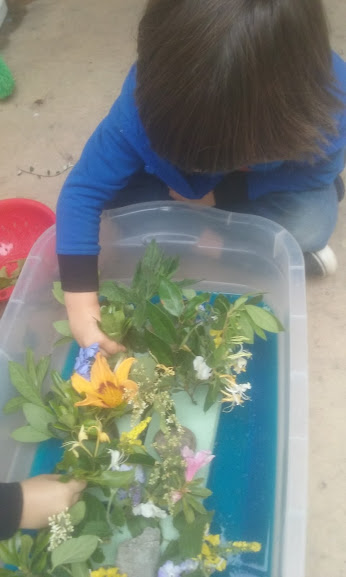
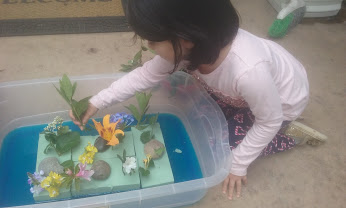
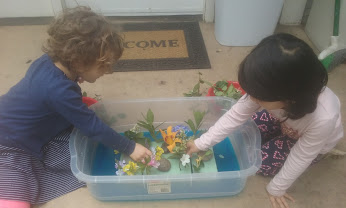
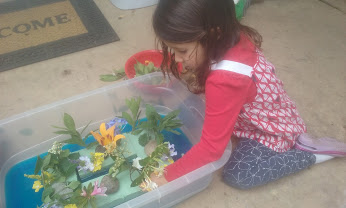
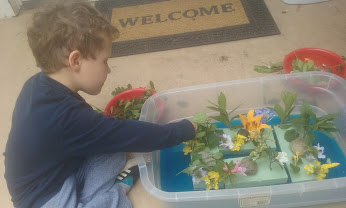
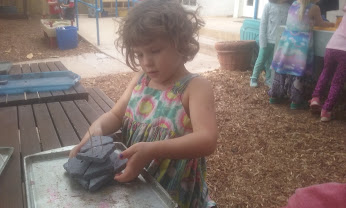
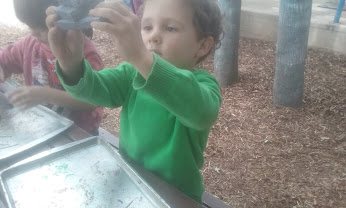
To understand the engineering behind these floating gardens, we created our very own! Instead of rafts, we used flower foam. Students used this foam as a base to “pluck” their vegetation into. Using real plants and flowers, they created their very own floating gardens!

float3

Kukulcan

The Pyramid of Kukulcan (also know as El Castillo, a name given by the Spanish Conquistadors) is the central pyramid of Chich’en Itza, it was built over a pre-existing temple between 800 and 900 AD.

kuku

It is the biggest pyramid in Chich’en Itza; at its base 53.3 meters wide on all four sides. It towers above the other monuments at 24 meters tall with a 6 meter temple on top of the highest platform.

kuku1

Before access to the throne room of the pyramid was restricted, you could climb to the top and, on a clear day, see the top of the grand pyramid at the nearby ruin site of Ek Balam.

kuku2

The Mesoamerican fascination with, and knowledge of, math and astronomy shines when examining the details of its architecture. Each of the four sides has ninety-one steps ascending it, 364 steps total, with the temple topping the pyramid considered an addition step totaling 365, each step representing a day in the calendar.

kuku3

Additionally, the pyramid’s nine stages, bisected by a staircase on each side, represent the eighteen months of the Mayan Calendar year.

kuku4

The pyramid was built to be a physical representation of the Mayan Calendar (the same calendar that predicted the end of the world in 2012), while its orientation, slightly North East, is believed to have been calculated in order to create the phenomenon know as the “Descent of Kukulcan”.

kuku5

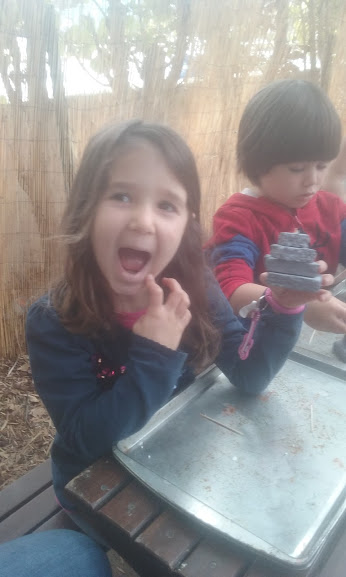
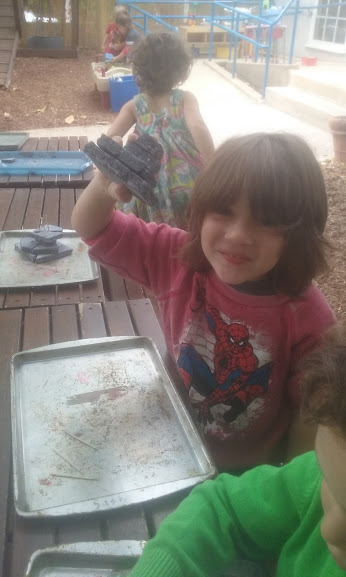
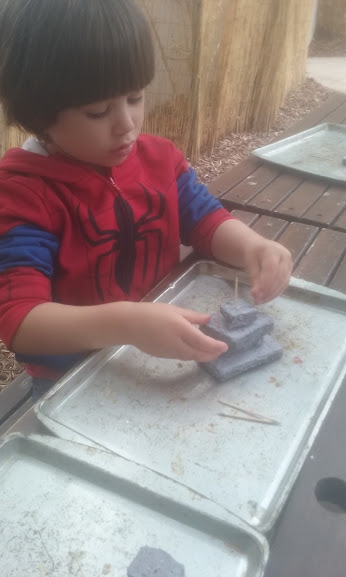
For this activity, we once again used specially-made blocks to build the pyramid. Students learned a little bit about the history (including the Mayans) and then worked in small groups to recreate this magnificent piece of history!

kuku6

Pyramid of the Moon – Group Building Exercise

Teotihuacan, the most important city of pre-Aztec central Mexico, was, at one time, one of the largest cities in the world.

moon

moon1

It was the region’s major economic as well as religious center.

moon3

moon4

moon5

At its apogee, it supported a population of 200,000 people, and encompassed some eight square miles.

moon6

moon7

The Pyramid of the Moon was located at the end of a street called the Street of the Dead.

moon8

moon9

As morbid as it sounds, this impressive structure mimics the contours of the mountain Cerro Gordo, just north of the site.

moon10

moon11

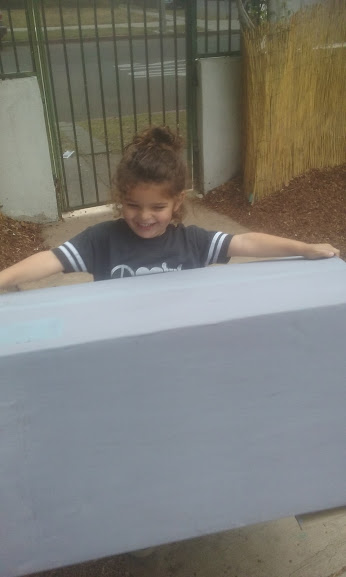
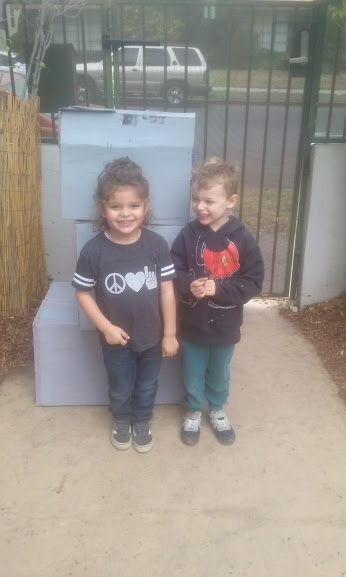
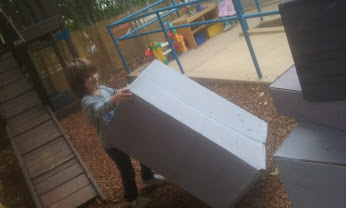
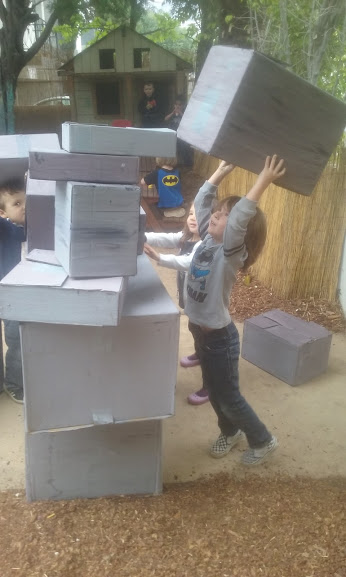
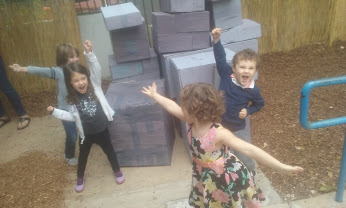
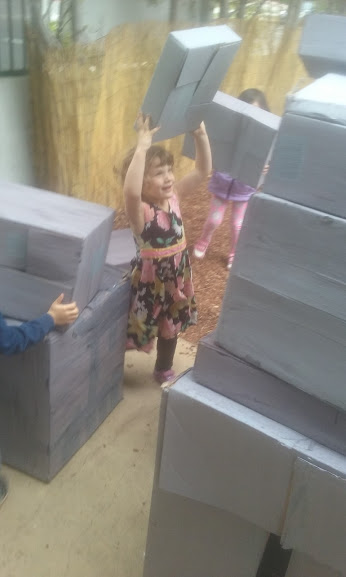
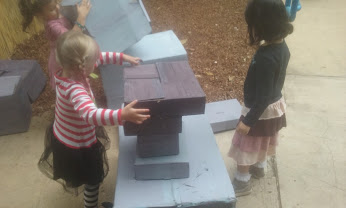
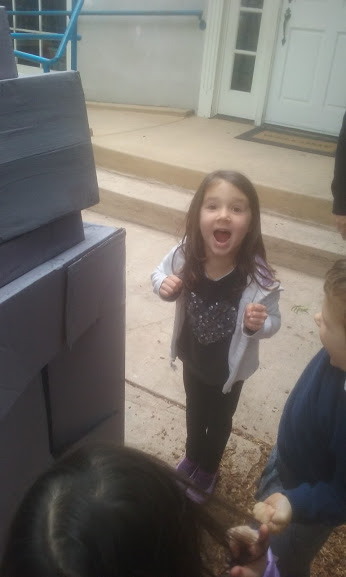
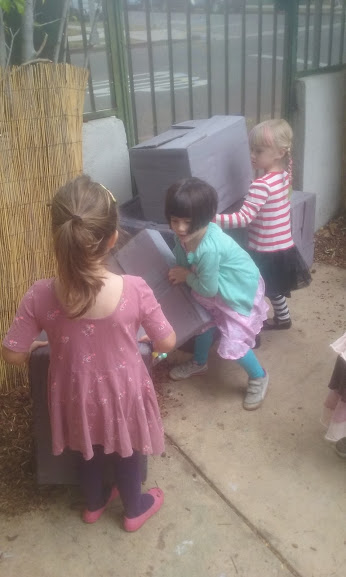
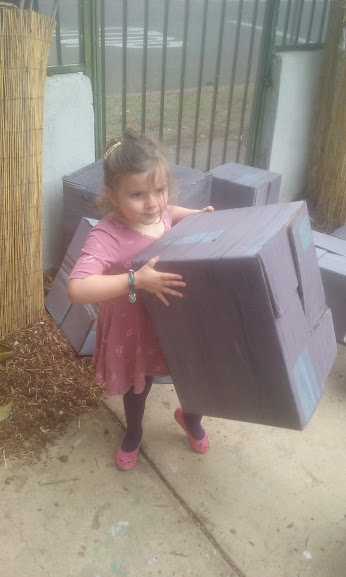
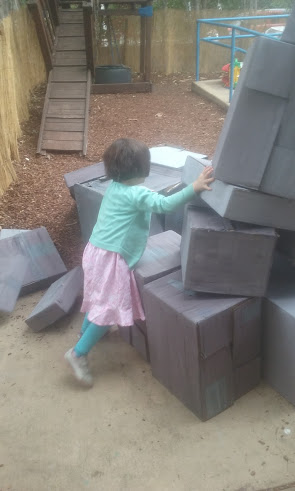
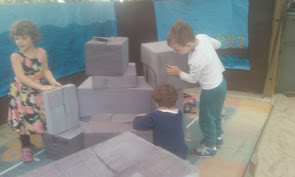
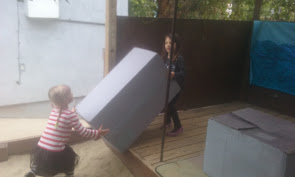
To help your little one understand the beauty of this magnificent structure, we created the Pyramid of the Moon with boxes in small groups of three to five kids.

moon12

moon13

moon15

Each student stacked boxes atop one another, and then gleefully knocked them down.

moon16

moon17

moon18